Six hundred thousand dollars vanished from renters’ pockets in 2025—and the scam artists responsible aren’t hiding in shadows, they’re posting on your favorite social media feed.
Quick Take
- Rental scams cost U.S. renters $600,000 in 2025, with social media as the primary hunting ground for fraudsters.
- The FBI and consumer agencies have issued urgent warnings, citing sophisticated tactics and widespread victimization.
- Victims, often desperate for housing, are lured by convincing listings and pressured into sending money for non-existent apartments.
- The crisis exposes systemic vulnerabilities in the digital rental market and fuels calls for regulatory and technological solutions.
Fraudsters Turn Social Media into a Rental Scam Goldmine
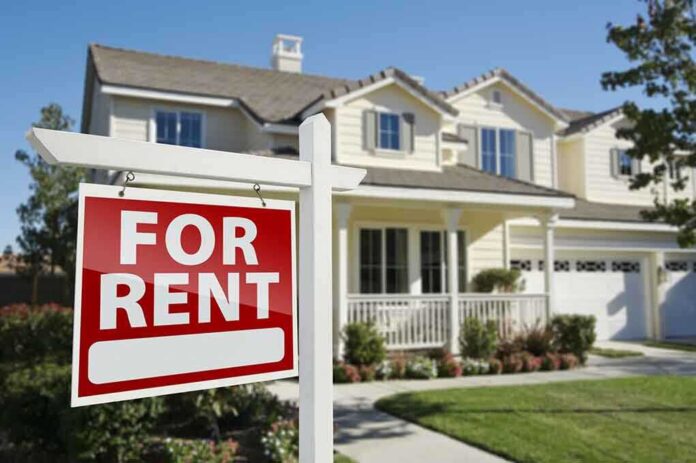
In the first eleven months of 2025, U.S. renters collectively lost $600,000 to a new breed of apartment scams—most of them orchestrated right on mainstream social media platforms. Scammers, posing as landlords or agents, copy legitimate listings, slash rents to irresistible lows, and strike up conversations that appear both urgent and authentic. By the time a hopeful renter realizes the apartment doesn’t exist, their deposit, application fee, and sometimes first month’s rent have already disappeared into the ether. The FBI, tracking a spike in complaints this year, warns that even savvy apartment hunters can fall for these well-crafted deceptions.
Social media’s role in this epidemic cannot be overstated. Fraudsters exploit the anonymity and sheer reach these platforms offer, targeting renters desperate to secure housing in a market where legitimate listings evaporate in hours. Facebook, Instagram, and similar networks, originally designed to connect friends, have morphed into lucrative hunting grounds for scam operations. Reports to the FBI show that over 130 complaints this year specifically reference social media as the conduit for the crime. Victims often describe being rushed into sending digital payments and pressured to skip viewing the property in person—red flags that only become obvious in hindsight.
Victims, Scammers, and the Reluctant Gatekeepers
The primary victims are renters—often young adults, students, or those relocating for work—who feel the crush of a tight housing market. Their urgency and hope make them easy marks. Scammers, sometimes acting alone but increasingly organized in groups, operate across state and even national borders. They leverage stolen photos, forged documents, and persuasive messaging to build trust fast and exploit it even faster. Meanwhile, social media platforms, under mounting scrutiny, walk a tightrope between user privacy and the obligation to police their virtual marketplaces. Their algorithms are designed to connect people, not necessarily to protect them from rental fraud.
Law enforcement has become a backstop, often reacting after the money is gone. The FBI and consumer protection agencies have responded with public warnings and practical advice: never send money before seeing a property, insist on secure payment channels, and double-check landlord identities through independent means. Yet, the sheer scale and speed of these scams strain investigative resources. The real estate industry, too, suffers collateral damage, as legitimate landlords and agents see their reputations tarnished when their listings are hijacked for fraud.
How Scam Tactics Evolved and Why Renters Remain Vulnerable
Rental fraud is not new, but its methods have adapted to the digital age. The COVID-19 pandemic accelerated the shift to online apartment hunting, while housing shortages in urban centers intensified the competition—and desperation—among renters. Scammers now use real listings as templates, crafting emails and texts that mimic real estate jargon and even inventing fake references. Digital payment methods, praised for their convenience, are harder to trace and recover, making it nearly impossible for victims to reclaim their money.
This surge in scams reflects broader vulnerabilities in the rental market. Supply hasn’t kept up with demand, especially in major cities, fueling a climate where renters feel compelled to act fast—sometimes too fast. The anonymity of online transactions and the prevalence of digital communication enable criminals to operate at scale, often with little risk of detection. The psychological toll is real: renters report not just financial loss, but increased anxiety and mistrust. In this environment, the advice to “trust but verify” can feel woefully inadequate.
What Comes Next: Regulation, Technology, and Renter Vigilance
Calls for change are growing louder. Consumer advocates and market analysts argue that the onus should not rest solely on renters to spot fraud. Regulatory bodies and law enforcement agencies are pushing for tighter controls on digital payment platforms and more robust verification processes for online listings. Social media companies face increasing pressure to invest in fraud detection tools and to respond more swiftly to reports of abuse. The real estate industry, meanwhile, is exploring new ways to authenticate listings and landlords, though these measures often come with added costs.
Experts agree that as long as housing remains scarce and the vast majority of rental transactions happen online, scams will evolve in step with technology. Renters are encouraged to slow down, seek in-person viewings, and question offers that seem too good to be true—but such caution can be a luxury in a cutthroat market. The next chapter in this story will likely be written not just by law enforcement or platform policies, but by the collective actions of renters, regulators, and tech innovators determined to close the loopholes that scammers exploit.
Sources:
AOL: Apartment scams on the rise as renters turn to online listings
The Independent: New warning issued over apartment listings as renters lose $600K
New York State Comptroller’s Report