
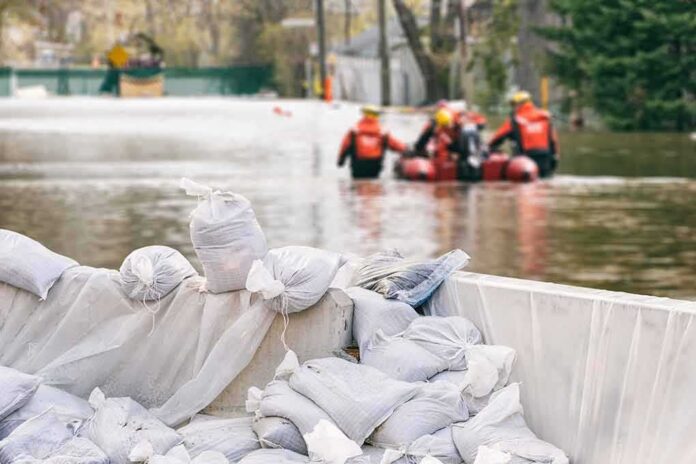
Flash floods in eastern Afghanistan have killed at least 23 people and left more than 100 missing, with Nuristan province taking the hardest hit.
Story Snapshot
- Authorities said the floods struck Nuristan province and hit Parun, the provincial capital, especially hard.
- The reported toll reached at least 23 dead, with more than 80 injured and more than 100 missing.
- The mayor of Parun was among those listed as missing.
- Search and rescue crews were working through rubble, mud, and damaged homes as the count could still rise.
Nuristan Takes the Blow
Local authorities said heavy rain triggered flash floods in eastern Afghanistan on Monday, and the damage centered on Nuristan province. The National Disaster Management Authority said at least 23 people had died, 80 had been injured, and more than 100 were missing after the floods swept through the area.
Parun, the capital of Nuristan, suffered the worst of it. Officials said the city’s mayor was among those missing, a detail that shows how fast the water overwhelmed the town. More than 80 residents were also wounded, and the search team was still trying to reach collapsed buildings and buried homes.
A Disaster That Moves Faster Than the Count
Flood disasters in Afghanistan often come with shifting numbers in the first hours. That does not mean the danger is uncertain. It means the first reports usually come from damaged roads, broken communications, and local officials who are still trying to find the missing while counting the dead.
This flood fits a familiar pattern. Afghanistan has seen repeated deadly flooding in recent years, and official totals have often changed as rescue work continued. In past events, United Nations agencies and Afghan authorities have sometimes reported different casualty figures before the final picture came into focus.
Why This Flood Cut So Deep
Nuristan sits in rugged mountain country, where narrow valleys can turn sudden rain into a wall of water. That terrain leaves little room for warning or escape. Homes built close to riverbeds and steep slopes face the greatest risk when storms hit hard and fast.
The deeper problem is not only weather. Afghanistan’s disaster response system has struggled for years with weak communications, limited access, and thin local capacity. When floods hit remote districts, the first body count can lag behind the reality on the ground. That is why early numbers in Afghanistan often rise, sometimes sharply, after rescue teams reach cut-off places.
What Comes Next
The immediate work is grim and simple: find survivors, recover the missing, and clear the debris before more lives are lost. Families in Parun and nearby villages now face the kind of loss that does not end when the water goes down. It continues in the search lists, the hospitals, and the empty homes left behind.
Flash floods have claimed lives and caused severe damage in eastern #Afghanistan, especially in Parun, Nuristan. Our thoughts are with bereaved families.@UNICEFAfg and partners are on the ground, setting up a field clinic to provide trauma care and emergency medical services. pic.twitter.com/558Ua2YS6z
— UNICEF Afghanistan (@UNICEFAfg) July 21, 2026
The larger lesson is harder to ignore. Afghanistan’s flood deaths are not just a weather story. They are also a story about fragile roads, weak warning systems, and the way a mountain storm can outrun every official report. The numbers may keep changing, but the human cost is already clear.
Sources:
youtube.com, rferl.org, en.wikipedia.org, unn.ua
© integritytimes.com 2026. All rights reserved.