A night meant to celebrate freedom in Berlin turned into a deadly hunt for a suspected Islamist extremist who drove a van straight into a Pride crowd.
Story Snapshot
- White van rammed Berlin Pride revelers, killing 1 and injuring at least 16.
- Police say the suspect is tied to Islamist circles and known to authorities.
- The ramming is believed to be a deliberate act of Islamic extremist terror.
- Manhunt for 21-year-old Abdul B continues as Germany asks hard questions.
How a Pride Celebration Turned Into a Crime Scene
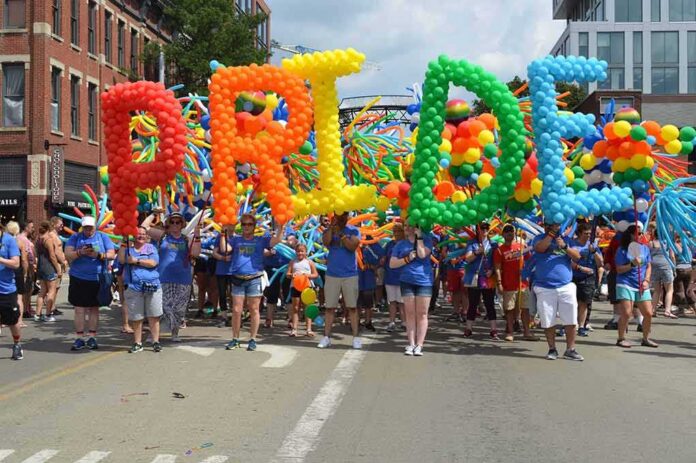
Berlin’s Christopher Street Day Pride parade is one of Europe’s biggest public celebrations of gay and lesbian rights, drawing tens of thousands to the streets near the Brandenburg Gate each year. This time, the joy ended in seconds. Around 10 p.m., a white van drove into Tiergarten park near the parade route, sped along a path by Lennéstrasse, and slammed into people gathered there before crashing into a tree. The impact left one person dead and at least 16 injured, several with life-threatening wounds. Organizers and police ordered the area evacuated and called off the remaining concerts and street party as officers rushed in, formed cordons, and tried to make sense of the chaos.
Witnesses described a scene that felt less like a festival and more like a war zone. Victims lay scattered along the path. Some showed signs of blunt force trauma from the collision, while early reports suggested others may also have suffered stab wounds, a detail police said they were still checking and could not yet confirm. Emergency crews worked under floodlights as officers moved from person to person, trying to distinguish frightened bystanders from those who might be involved. Berlin’s interior senator and federal leaders quickly labeled the site a crime scene, not an accident.
Police Say the Van Strike Was Deliberate, Not a Tragic Mistake
From the start, investigators treated the van’s path as a clue, not bad luck. According to police, the vehicle did not simply lose control or drift into the crowd. It drove into Tiergarten park, followed a route parallel to the Pride march, hit multiple pedestrians, and only stopped when it smashed into a tree. That pattern supported what Berlin police later told reporters: the ramming was a deliberate act rather than an accident. Multiple outlets, citing official briefings, reported that authorities were investigating the incident as an apparent attack on the event itself.
For Germans who remember the 2016 Christmas market truck attack, the method looked painfully familiar. A moving vehicle, a dense crowd, and a driver who used speed and surprise as weapons instead of brakes. That history shaped both public fear and police urgency. Officers did not wait to see if the driver turned himself in. Instead, they launched a wide manhunt, closed nearby streets, and urged anyone with video or photos to send them in, aiming to map the van’s route frame by frame and lock down whether it targeted Pride on purpose.
The Suspect From Berlin’s Islamist Scene
The most politically charged detail came from the police themselves. Within hours, a spokesperson said investigators had “identified a suspected perpetrator” who was “known to the police as a member of the Islamist scene here in Berlin.” Associated Press and other outlets repeated that wording and added that police believed he had ties to Islamic circles or Islamist extremist groups in the city. This was not casual gossip or social media rumor; it was an official description that immediately shaped how the public and politicians understood the attack.
Authorities later went further and issued a wanted notice for a 21-year-old named Abdul B, releasing his photo and asking the public for help finding him. Reports said he was a German resident tied to Islamist circles, though full details of his citizenship and background had not yet been released. Federal and state officials described the case as believed to be an act of Islamic extremist terror, even as they admitted they still lacked a clear, proven motive. For many conservative observers, the combination of a deliberate vehicle attack, an LGBTQ+ target, and an Islamist-scene suspect fits a pattern that can no longer be brushed aside as random tragedy.
Open Questions on Motive Amid a Fast-Moving Manhunt
Despite the strong language about extremist links, investigators also struck a more cautious tone on motive. A Berlin police spokesperson told Associated Press that “at this point, we don’t know anything about possible motives” and stressed that the suspect had not yet been arrested when that statement was made. Reports from Reuters and other outlets echoed this tension: police believed the strike was intentional and tied the suspect to Islamist circles, but stopped short of formally declaring it a terrorist attack in legal terms in the first hours.
German police hunt suspect in Berlin Pride van-ramming attack that left 1 dead and 16 injured https://t.co/nKf5nnlQwJ
— CTV National News (@CTVNationalNews) July 26, 2026
Some basic facts also shifted as the story moved in real time. Different outlets cited 15, 16, or even more injured; some called the vehicle a van, others a car. These gaps reflect normal confusion in a breaking emergency, but they also remind us how quickly early details harden into fixed narratives. Here, one narrative snapped into place almost instantly: Pride crowd, van ramming, Islamist suspect. That frame echoed across television, online news, and social media, even before digital evidence, detailed witness statements, or full forensic work could confirm every piece.
What This Attack Says About Security, Values, and Honest Reporting
For many readers, the core concern is simple: how safe are public celebrations of Western values when known extremists move freely in major cities? German authorities have long tracked an Islamist milieu in Berlin, yet once again, the public hears that a suspect already “known to police” is tied to a deadly attack. That raises hard questions about surveillance, prosecution, and whether European governments show enough resolve when ideology crosses from radical talk into clear risk to life and limb.
At the same time, responsible reporting must keep a clear line between what is known and what is suspected. It is one thing to say police linked a fugitive to Islamist circles and believe the ramming was deliberate. It is another to claim detailed ideological planning without evidence from phones, messages, or direct statements. That difference matters for truth, but it also matters for trust. When leaders downplay obvious patterns, they insult common sense. When media stretch thin facts into sweeping claims, they feed backlash and skepticism.
Sources:
facebook.com, youtube.com, smh.com.au, en.wikipedia.org, thesun.co.uk, malaymail.com, rt.com, kob.com, x.com, globalbankingandfinance.com, ajc.com
© integritytimes.com 2026. All rights reserved.