Venezuelan officials have declared President Trump’s airspace closure threat an act of “illegal and unjustified aggression” that violates international sovereignty principles.
Story Overview
- Trump announced on Truth Social that Venezuelan airspace should be considered “closed in its entirety”
- Venezuelan leadership condemned the statement as an attack on their national sovereignty
- The threat escalates tensions between the US and Venezuela’s disputed government
- International law questions arise regarding airspace control and diplomatic authority
Trump’s Airspace Declaration Sparks International Incident
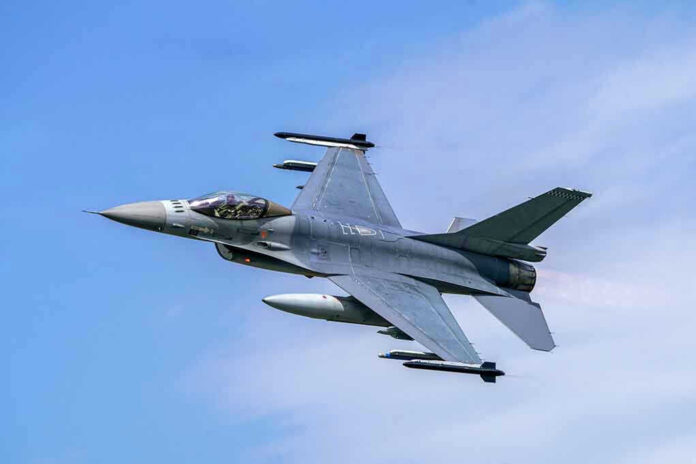
President Trump posted on Truth Social that Venezuelan airspace should be treated as completely closed, marking an unprecedented escalation in US-Venezuela relations. The declaration bypassed traditional diplomatic channels and international aviation protocols. Venezuelan officials immediately characterized the statement as a direct assault on their territorial sovereignty and a violation of established international law governing airspace rights.
Venezuela Fires Back With Sovereignty Claims
Venezuelan leadership swiftly condemned Trump’s announcement, labeling it “illegal and unjustified aggression” designed to undermine their nation’s sovereignty. Government officials argued that only Venezuela possesses the authority to control its own airspace under international aviation law. The response signals Venezuela’s determination to resist what they perceive as American imperialism and unauthorized intervention in their domestic affairs.
Legal Questions Surround Airspace Authority
Trump’s airspace closure threat raises complex questions about presidential authority over international aviation. The United States cannot legally close another nation’s airspace without clear justification under international law or UN Security Council authorization. However, the US can restrict American aircraft from entering Venezuelan airspace and influence international aviation organizations. The practical enforcement of such restrictions would require cooperation from neighboring countries and international aviation authorities.
Escalation Reflects Broader Venezuelan Crisis
This airspace confrontation emerges amid ongoing disputes over Venezuela’s legitimate government and human rights concerns. The Trump administration has consistently refused to recognize the current Venezuelan leadership, instead supporting opposition claims to power. Economic sanctions and diplomatic isolation have failed to produce desired regime change, leading to increasingly aggressive rhetorical positions. Venezuela’s defiant response demonstrates their willingness to resist American pressure despite economic hardship and international isolation.
Sources:
Updates: Donald Trump says Venezuela airspace now closed as tensions surge