
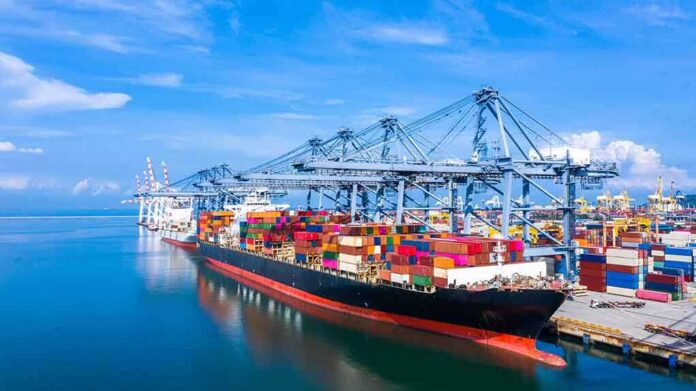
A Norwegian man woke up to find a massive 135-meter container ship had crashed just meters from his cabin, with investigators believing the helmsman fell asleep at the wheel.
Key Takeaways
- The NCL Salten container ship ran aground in Norway’s Trondheim fjord when the helmsman likely fell asleep
- Johan Helberg was awakened to discover the massive vessel had crashed just meters from his cabin
- A vigilant neighbor, Jostein Jorgensen, alerted authorities after hearing the ship approaching at full speed
- All 16 crew members escaped injury, but attempts to refloat the ship have so far been unsuccessful
- Norwegian police have launched an investigation and identified one suspect in the incident
Maritime Mishap: Container Ship Runs Aground While Helmsman Sleeps
In a shocking maritime incident that reads like something from a movie script, the NCL Salten, a 135-meter container ship, ran aground in Norway’s Trondheim fjord. Initial reports suggest the helmsman, who was alone on the bridge, fell asleep and failed to change course as the vessel entered the fjord. This dangerous oversight sent the massive ship directly toward shore, resulting in it running aground just meters from an unsuspecting resident’s cabin during the early morning hours.
The incident highlights the critical importance of proper staffing and alertness protocols on commercial vessels. Maritime regulations typically require adequate staffing on the bridge, especially when navigating coastal waters. The fact that only one person was apparently responsible for navigating such a large vessel through a fjord raises serious questions about operational procedures and safety protocols within the shipping company.
Close Call for Cabin Owner
Johan Helberg experienced what must have been a terrifying awakening when he discovered the enormous container ship had nearly crashed into his cabin. Fortunately for Helberg, he wasn’t alerted by the impact of the ship hitting his property, “but rather by a phone call from his quick-thinking neighbor,” said Jostein Jorgensen. Jorgensen had heard the ship approaching at full speed and recognized something was seriously wrong with its trajectory.
This close call demonstrates how quickly maritime disasters can develop and potentially threaten innocent bystanders. Had the ship’s course been just slightly different, the outcome could have been far more catastrophic for both Helberg and potentially the vessel’s crew. The incident serves as a reminder of the responsibility shipping companies have to ensure their operations don’t endanger coastal communities.
Investigation and Recovery Efforts
Norwegian authorities have moved swiftly to investigate this alarming incident. Police have already identified one suspect, presumably the helmsman who was on duty at the time of the grounding. Meanwhile, the NCL shipping group has pledged full cooperation with the investigation while conducting its own internal inquiry to determine exactly what went wrong and how similar incidents can be prevented in the future.
Despite multiple attempts to refloat the NCL Salten, the vessel remains firmly grounded near Helberg’s cabin. This prolonged situation not only disrupts local maritime traffic but also poses potential environmental concerns if the ship’s hull integrity becomes compromised. Salvage operations for grounded vessels of this size are complex engineering challenges that often require specialized equipment and favorable tidal conditions.
Maritime Safety Concerns
This incident raises important questions about maritime safety protocols and enforcement. Commercial shipping relies heavily on properly trained and alert crew members, especially those responsible for navigation. When these human systems fail, as appears to be the case with the NCL Salten, the consequences can be immediate and severe. Industry experts have long advocated for better regulations regarding rest periods for crew members and minimum staffing requirements on commercial vessels.
Thankfully, all 16 crew members aboard the vessel escaped without injury, but the potential for disaster was significant. Had the ship struck rocks at a different angle or at higher speed, the outcome could have included oil spills, cargo losses, or even casualties. This incident serves as yet another reminder that vigilance and proper procedure are not optional luxuries in maritime operations, but essential components of safe shipping practices.