How did Minneapolis suddenly lose a hundred police officers, and what does it mean for the city’s future?
Story Overview
- Approximately 60 to 100 Minneapolis police officers are exploiting a new state benefit to take paid leave.
- These departures coincide with federal immigration enforcement operations in the city.
- The Minneapolis Police Department faces critical understaffing, with dangerous implications for public safety.
- The situation highlights a complex interplay between state benefits, local law enforcement, and federal priorities.
Understanding the Minneapolis Police Crisis
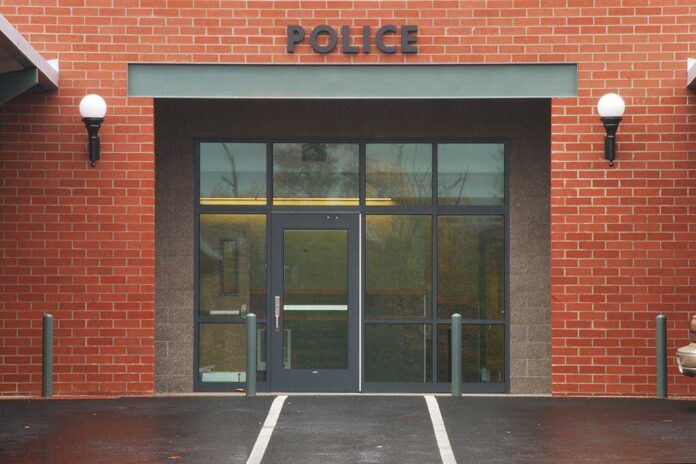
The Minneapolis Police Department is grappling with a staffing crisis exacerbated by the sudden application of approximately 60 to 100 officers for Minnesota’s Paid Family and Medical Leave (PFML) program. This mass departure raises urgent questions about the department’s operational capacity and the implications for public safety in a city already on edge. The PFML program, set to launch on January 1, 2026, offers officers an opportunity for prolonged leave, complicating an already strained situation.
And Suddenly, About 100 Minneapolis Cops Disappearedhttps://t.co/dCtcXsoJfh
— PJ Media (@PJMedia_com) January 18, 2026
A confluence of factors has driven this crisis to a boiling point. The timing of these applications is particularly concerning, as it coincides with federal ICE operations in Minneapolis. Officers appear to be utilizing the new state benefit as a strategic response to avoid participating in these controversial enforcement actions. This quiet protest emerges as a different form of departure, contrasting with previous waves of retirements triggered by the 2020 civil unrest.
The Roots of the Crisis
The roots of Minneapolis’s policing challenges stretch back to May 2020 when George Floyd’s tragic death at the hands of a police officer ignited widespread protests and led to a significant exodus from the department. By 2022, when Police Chief Brian O’Hara took the helm, the force had dwindled to half its size. The department has struggled to recover, facing ongoing morale issues and a loss of nearly 40% of its officers since 2019.
As of mid-January 2026, the Third Precinct operated with only three officers on day watch, compared to the usual minimum of ten. This staffing shortage reflects a broader trend of mass resignations and retirements that have left the city with one of the lowest officer-to-citizen ratios in the nation. The implementation of Governor Tim Walz’s PFML program now adds another layer of complexity to an already precarious situation.
Stakeholders and Power Dynamics
The situation involves multiple stakeholders with competing interests. The officers themselves are leveraging the PFML program to escape burnout and avoid federal enforcement operations. Police Chief O’Hara, tasked with rebuilding the force, faces the daunting challenge of addressing both the staffing crisis and the department’s morale issues. Meanwhile, Governor Walz’s PFML initiative, designed to support working families, inadvertently becomes a tool for officers seeking respite.
The tension between state and federal priorities is palpable. As ICE agents execute enforcement operations, the reduced capacity of the Minneapolis police force may hinder coordination, potentially impacting the city’s safety. At the same time, community concerns about safety and immigration policy add pressure on local officials to find a resolution.
Implications for Minneapolis
The immediate impact of losing 60 to 100 officers from an already understaffed department is significant. It could reduce operational capacity by 10-17%, exacerbating existing coverage gaps and increasing reliance on overtime. This strain on resources not only affects the officers but also the safety of Minneapolis residents, who may face longer response times in emergencies.
Long-term implications are equally concerning. The ongoing recruitment and retention crisis threatens to derail efforts to rebuild the force, despite a new recruit class expected in June 2026. The department’s ability to implement reforms may also be compromised if the Trump administration drops the federal consent decree. This decision could undermine trust-building efforts with the community and jeopardize progress made in institutional accountability.