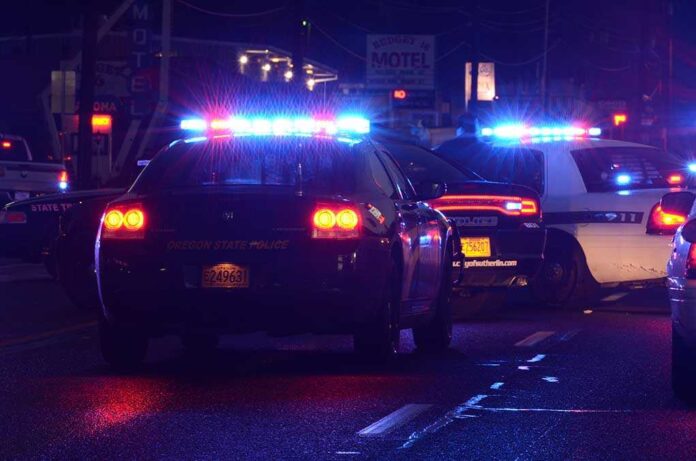
Police showed up at a Miami Beach activist’s door solely for a Facebook post slamming the mayor, sparking fears of a dystopian slide into speech suppression.
Story Snapshot
- Detectives visited Raquel Pacheco’s home on January 12, 2026, over her critical comment on Mayor Steven Meiner’s post.
- Pacheco, a U.S. military veteran and former candidate, accused Meiner of hypocrisy on Palestinians, a theater shutdown, and LGBTQ support.
- Police Chief Wayne Jones defended the visit as a voluntary safety check amid antisemitism concerns, with no charges filed.
- Mayor Meiner supported the police action but denied directing it, calling the post inflammatory.
- Pacheco hired an attorney and filed records requests, framing it as a free speech threat.
Detectives Arrive at Pacheco’s Door
Raquel Pacheco opened her Miami Beach home to two detectives on January 12, 2026. They questioned her about a Facebook comment posted five days earlier on Mayor Steven Meiner’s page. Pacheco’s post challenged Meiner’s claim that Miami Beach serves as a safe haven for everyone. She listed accusations: calling for Palestinian deaths, shutting down a theater over a film, and rejecting LGBTQ support, capped with clown emojis. Detectives recorded the brief exchange.
Pacheco asked if police investigated a crime. Detectives clarified no crime occurred but checked for threats due to the post’s tone referencing an elected official. One detective noted it could incite radical action. Pacheco asserted her free speech rights as a veteran. The encounter ended consensually without arrest or further action.
Police Chief Wayne Jones later described the visit as precautionary amid rising antisemitism. National tensions over attacks on Jewish figures prompted monitoring online rhetoric. Meiner, who is Jewish, contrasted Miami Beach’s openness with New York City’s policies on Israeli businesses.
Mayor’s Post Ignites the Firestorm
Steven Meiner posted on January 7, 2026, positioning Miami Beach against cities boycotting Jewish or Israeli enterprises. Pacheco’s reply directly contested this narrative. She portrayed Meiner’s stance as inconsistent, tying it to pro-Palestinian issues and local cultural clashes. The theater reference likely pointed to a pro-Palestinian film dispute.
Meiner responded on January 17, backing police precautions on inflammatory posts while affirming room for differing views. He denied ordering the visit. Facts show no evidence of his direct involvement, aligning with police statements. Pacheco’s veteran status and past runs for city commission and Florida Senate amplified her challenge to authority.
This clash unfolded in Miami Beach’s politically charged environment. Activists routinely critique leaders on social media. Broader U.S. debates on platform censorship, like celebrity suspensions, highlight distinctions: government actions face First Amendment scrutiny, unlike private firms.
Police Chief Defends the Visit
Wayne Jones issued a statement on January 16, 2026. Detectives acted professionally in a brief, voluntary welfare check. No threats emerged. Jones stressed balancing public safety with constitutional rights. He emphasized Miami Beach Police Department’s commitment to both.
Pacheco viewed it differently. She called the visit a slippery slope toward silencing critics. Her attorney filed public records requests that day to trace the review’s origin. As of January 20, no responses or further police moves surfaced. The Foundation for Individual Rights and Expression flagged it as potential overreach.
Free Speech Faces Real Test
Short-term, the incident chills local online discourse. Activists hesitate before posting. Long-term, it tests First Amendment limits on police monitoring critics. Affected groups include veterans, pro-Palestinian advocates, and the Jewish community balancing safety fears.
Common sense demands vigilance against government speech policing. Facts support police caution amid threats, yet Pacheco’s protected speech merits no doorstep interrogation. Conservative values prize individual liberty over preemptive chills. Transparency from records requests will clarify if overreach occurred or safety prevailed.
Politically, Miami Beach leaders face pressure. National media coverage by Local10 and CBS Miami sustains scrutiny. Pacheco vows continued criticism, embodying resilience against perceived power plays.
Sources:
Miami Beach police chief defends detectives’ visit to activist over Facebook post about mayor