A brief pregame video of LeBron James moving during the national anthem at Madison Square Garden set off a national argument about respect, ritual, and responsibility.
Story Snapshot
- Video shows James miming a golf swing and a jump shot during the anthem before 76ers–Knicks.
- Teammates stood still nearby while James moved, drawing sharp criticism from viewers and media.
- President Trump called the conduct disrespectful and urged James to apologize to fallen service members.
- Reports note the clip shows movement, not clear intent, and James has not explained his actions.
The Moment That Sparked A Firestorm
Pre-game at Madison Square Garden on October 20, 2026, cameras captured LeBron James making a golf-swing motion, then miming a basketball shot, during the performance of the national anthem. Reports describe other Philadelphia 76ers players nearby as largely still and facing forward. The contrast fueled quick reactions online and across sports talk. The scene gave critics a simple point: during a civic ritual, James acted in a way that looked casual, even flippant, to many who watched.
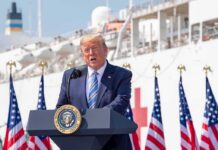
President Trump weighed in two days later and labeled the conduct a “total disgrace.” He said James disrespected the country and demanded an apology to American service members who died for the flag. That public rebuke from the Commander in Chief locked the moment into a broader culture fight. It also moved the dispute from fan chatter to a national debate with stakes far beyond one player’s pregame routine.
What The Video Shows, And What It Does Not
The clip shows movement during the anthem. It does not show why James moved. News reports stress that fact. No source ties the motions to a stated protest. No sign, shirt, or gesture in the video points to a clear message. James stood on the court and did not kneel. As of the initial coverage, neither James nor the 76ers had offered an explanation. The available facts support the claim of movement during the anthem; they do not prove intent to insult the nation or the military.
The setting, however, matters. The anthem is a solemn, scripted moment before major sports events. Fans stand. Hats come off. Players line up and face the flag. Any deviation jumps out, especially at a storied arena like Madison Square Garden and a marquee matchup. That is why the decorum-based critique has bite: norms are clear even if penalties are not. Many Americans learned these expectations at school assemblies, parades, and ballgames, long before they debated policy online.
Why This Keeps Happening In Sports
Sports and the anthem have been linked for decades, but not always in the same way. During World War II, regular anthem performances became common as part of patriotic culture. Over time, the ritual turned into a stage where fans and players signal shared values. It also became a platform for expressive acts. From track podium salutes to modern football protests, the anthem moment carries both unity and tension, and each new incident refreshes that mix.
That is why brief clips travel fast and hit hard. A ten-second video seems simple, but viewers load it with meaning. Some see disrespect to the flag and those who died for it. Others see a star going through motions, literally and figuratively, with no insult intended. The same frame delivers two readings because the anthem has become both civic ceremony and expressive canvas. In that split, arguments flourish, and outrage often outruns facts.
The Stakes For James, The League, And Fans
Leagues rarely issue discipline for small movements during the anthem, but they do manage optics. Teams expect players to match the moment. Sponsors and fans expect basic respect. If a player breaks that expectation, critics seize moral ground fast. Trump’s call for an apology pressed that point to the limit, tying the moment to the memory of fallen service members and the symbolism of the flag. That frame aligns with a conservative view that respect for national symbols is a civic duty.
LeBron James laughs off Trump's criticism about national anthem, Sixers coach calls it 'noise' https://t.co/UEH0hsiO8g via @@Yahoo #truthsocial #breitbartnews #washingtonpost #foxnews #hannity #OAN #newsmax #NYT #NYpost #LAtimes #dailyshow #TMZ #IranWar #PBS
— Patrony (@rstevenatl) October 23, 2026
Two truths can stand here. First, the video justifies a decorum critique: during a solemn anthem, James moved in ways that drew attention. Second, the record stops there. Intent is unknown, and no rule violation has been reported. The path forward is simple and useful. James can close the loop with a plain statement. The team and the league can restate expectations for anthem conduct. Fans can keep cheering hard and hold stars to standards that honor the moment without turning a clip into a referendum on a man’s patriotism.
Sources:
pjmedia.com, x.com, heavy.com, economictimes.com
© integritytimes.com 2026. All rights reserved.