New York City is about to split protest response from counterterrorism, and the stakes reach from free speech to active-shooter response.
At a Glance
- The mayor plans to disband the NYPD Strategic Response Group and split its duties.
- A civilian de-escalation team would front protest response, with police nearby for arrests.
- A Patrol Support unit could keep mass-arrest capabilities, raising “rebrand” fears.
- The plan is not final, and details on command, staffing, and metrics remain open.
What the administration says will change
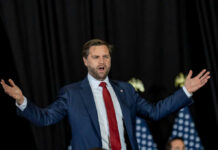
Mayor Zohran Mamdani’s team signaled a clean break: protest response and counterterrorism should not live under one roof. The spokesperson said the city will disband the Strategic Response Group and separate protest duties from counterterror work. Reports describe a civilian team focused on communication and de-escalation at protests. New York City Police Department officers would remain close to handle arrests and emergencies as needed. That structure aims to stop routine protests from being treated like terror incidents on sight.
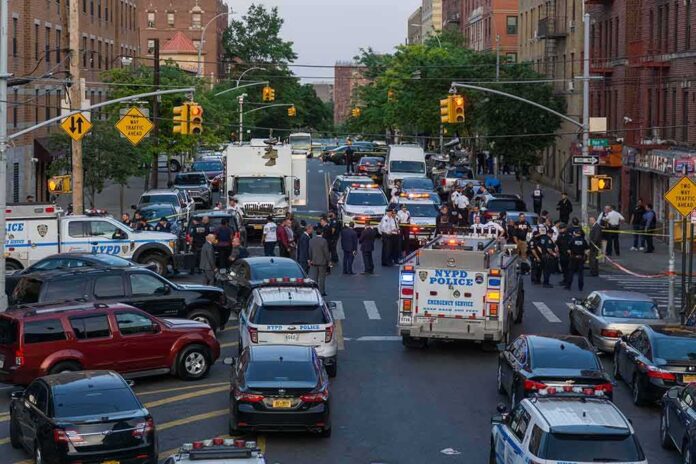
The city frames this as both a civil-liberties fix and a practical safety move. The Strategic Response Group has handled citywide mobilizations, large demonstrations, and counterterror tasks. Critics argue that mix can tilt events toward force instead of dialogue. The mayor’s camp wants clearer lanes: civilians to calm crowds, police to step in if crime occurs or danger spikes. That is a theory many police leaders and researchers have embraced in recent years, at least on paper.
What will likely stay the same
Several reports say a new Patrol Support unit could inherit much of the protest mission, including mass-arrest capacity. Sources also told outlets that the Strategic Response Group could continue under a different name and still respond to active-shooter, mass-casualty, and terrorism events. This is where the “rebrand” label gains traction. If the same officers, tools, and tactics remain, many New Yorkers will not care what the patch says. Results, not logos, will carry the day.
Police insiders appear supportive of the split in concept, which lowers the risk of a turf war that could stall rollout. That matters. Reforms that fight the rank and file rarely survive the first major test. Supporters of the Strategic Response Group see it as vital for high-risk events. They worry that dialing down police presence could cost time when seconds matter during a terror threat or mass shooting. The administration’s answer is to keep arrest and emergency capacity ready, just not out front.
Details missing that will decide outcomes
Operational plans remain unfinished. Reports do not yet show who commands a protest scene, who authorizes escalation, how civilians and officers resolve conflicts, or how training will align across teams. Those gaps matter more than the press release. Without clear orders, mixed teams can slow or overreact. The city also has not shared baseline metrics or targets for fewer injuries, arrests, or complaints. Absent numbers, no one can prove this model worked or failed.
NYC Mayor Mamdani Moves to Disband NYPD Strategic Response Group and Shift Protest Duties to Civilians
• Fulfilling a core progressive campaign pledge, New York City Mayor Zohran Mamdani announced the city will dismantle the NYPD's militarized Strategic Response Group, backing…
— Newstro (@Newstro) November 14, 2026
Reform advocates warn that swapping names while keeping the same mission and gear would not be meaningful change. The New York Civil Liberties Union says a real shift would pull funds from the police budget and invest them in communities, not move units on an org chart. That test is strict and ideological. Most New Yorkers simply want protests to stay peaceful and terror teams to stay sharp. They will judge by calm streets, safe marches, and swift response when real danger hits.
A common-sense path to earn trust
City Hall can close the “rebrand” loop with paperwork and proof. Release the reorganization order. Publish side-by-side charts of which personnel, gear, and tactics shift where. Define who commands on scene and how handoffs work. Commit to an independent before-and-after audit that tracks arrests, force, injuries, and lawsuit payouts, adjusted for crowd size and event type. That is not partisan. That is basic accountability that respects both the First Amendment and public safety.
How this aligns with conservative common sense
Keep counterterror strength intact. Put trained communicators in front at lawful protests to lower the temperature. Back them with visible, rapid police capability that can act when laws are broken or life is at risk. Make clear rules, post the data, and fire people who break them. If the city hits those marks, critics lose the “rebrand” charge. If it fails, voters will see through it fast—and they should. Clarity, order, and results always beat slogans.
Sources:
nydailynews.com, nbcnewyork.com, abcnews4.com, politico.com, nytimes.com, police1.com
© integritytimes.com 2026. All rights reserved.