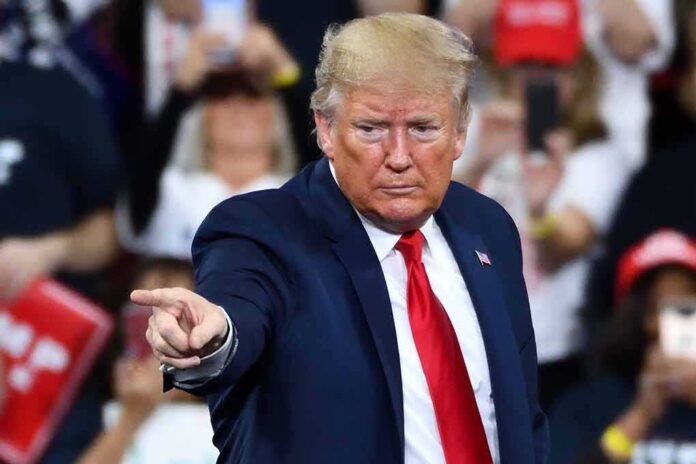
President Trump just executed the largest withdrawal from international organizations in American history, pulling the United States out of 66 global bodies in a single stroke that fundamentally reshapes America’s role on the world stage.
Story Highlights
- Trump signed a presidential memorandum withdrawing from 66 international organizations, including major climate bodies like the UNFCCC and IPCC
- The mass withdrawal follows a year-long State Department review ordered in February 2025 to identify organizations “contrary to U.S. interests”
- Targeted organizations span climate, human rights, development, and peacebuilding initiatives deemed “globalist” or wasteful
- International leaders warn of a “colossal own goal” that surrenders American leadership to China and the EU
America First Takes Center Stage
The January 7, 2026 presidential memorandum represents the culmination of Trump’s systematic dismantling of multilateral engagement. Secretary of State Marco Rubio characterized the targeted organizations as “anti-American, useless, or wasteful,” promising to “stop subsidizing globalist bureaucrats who act against our interests.” This sweeping action affects 35 non-UN organizations and 31 UN entities, from climate frameworks to democracy funds.
The withdrawal order instructs all executive departments to “take immediate steps to effectuate withdrawal as soon as possible.” For UN entities specifically, this means ceasing participation and funding “to the extent permitted by law.” The administration frames this as restoring American sovereignty and ending participation in organizations that “advance globalist agendas over U.S. priorities.”
Climate Infrastructure Dismantled
The most consequential exits target the backbone of international climate cooperation. The United States is withdrawing from the UN Framework Convention on Climate Change, the legal foundation underlying the Paris Agreement, and the Intergovernmental Panel on Climate Change, the world’s leading climate science assessment body. These moves reverse decades of American leadership in global environmental governance.
UNFCCC Executive Secretary Simon Stiell called the decision a “colossal own goal,” warning that while “all other nations are stepping forward together,” this withdrawal “can only harm the U.S. economy, jobs and living standards.” Delta Merner from the Union of Concerned Scientists notes that while individual American scientists can still contribute to IPCC work, the U.S. government loses institutional influence over global climate assessments.
Strategic Retreat or Smart Policy
The White House justifies these withdrawals as fiscal responsibility and sovereignty protection. The administration argues these organizations waste taxpayer money while constraining American decision-making through bureaucratic multilateralism. Trump’s approach reflects a fundamental belief that America’s interests are better served through bilateral relationships and domestic focus rather than global institutional engagement.
Critics paint a different picture. California Governor Gavin Newsom condemned the move as “surrendering America’s leadership on the world stage” and creating a vacuum that China exploits. World Resources Institute’s David Widawsky called it a “strategic blunder that gives away American advantage for nothing in return.” The concern centers on whether America loses more influence by leaving than it gains by avoiding multilateral constraints.
Sources:
White House Presidential Action – Withdrawing the United States from International Organizations
Lawfare – Trump Orders U.S. Withdrawal from International Organizations and Treaties
State Department – Withdrawal from Wasteful, Ineffective, or Harmful International Organizations