Trump is asking the Supreme Court to take another run at birthright citizenship, and that keeps a long legal fight alive.
Quick Take
- The Trump administration has asked the Supreme Court to review the plan to end birthright citizenship.
- Lower courts already blocked the order, and the federal government says the justices should now settle the issue.
- The order targets children born in the United States to parents who are in the country illegally or only temporarily.
- Supporters of the push point to “birth tourism” and say Congress should change the law.
Why the Fight Matters
The dispute goes far beyond one executive order. It asks whether the Fourteenth Amendment still means what courts have said for more than a century: that almost everyone born on U.S. soil is a citizen at birth. That is why the issue keeps drawing strong reactions from both sides. Supporters of Trump see a system they believe rewards illegal immigration. Critics see an effort to rewrite a settled part of the Constitution.
The latest appeal shows the administration is not backing away. CNN reported that Trump’s team asked the Supreme Court to examine whether he can end birthright citizenship, even after earlier rulings limited or blocked the policy. The order, signed on January 20, says the federal government will not issue citizenship documents to children born to parents who are unlawfully present or only here on a temporary basis. That makes the case both a legal challenge and a political test.
What the Courts Have Said
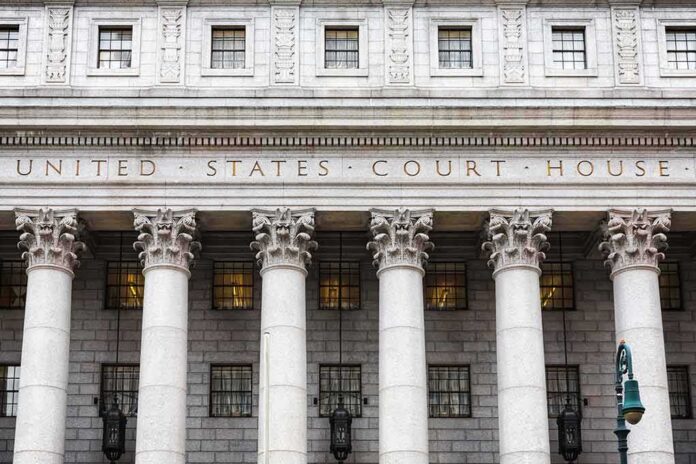
Courts have repeatedly said the plan conflicts with the Constitution. The Supreme Court’s recent decision, as reported by major outlets, upheld birthright citizenship and said the Citizenship Clause covers children born in the United States, even when their parents are unlawfully present or in the country temporarily. SCOTUSblog also reported that the court treated the order as inconsistent with long-standing precedent and with federal law. That leaves the administration asking for a reversal of a rule that has shaped citizenship for generations.
The legal divide is sharp. Trump’s side has argued that the phrase “subject to the jurisdiction thereof” should exclude children of undocumented immigrants and temporary visitors. The court rejected that reading, according to reporting from the American Civil Liberties Union and SCOTUSblog, and said the Constitution’s text and history do not support the narrower view. In plain terms, the justices kept the older rule in place and refused to let the executive branch rewrite it on its own.
Politics, Birth Tourism, and the Next Battle
Republican leaders are trying to turn the ruling into a broader push for legislation. In media coverage, Speaker Mike Johnson cited “birth tourism” and backed talks on a bill to curb it, while allies said the issue affects national security and immigration policy. Supporters argue that some people travel to the United States to give birth and secure citizenship for their children. That claim has become a key talking point because it connects immigration, border control, and public frustration over who the system serves.
President Donald Trump said he will ask the Supreme Court to rehear its recent birthright citizenship decision, calling the ruling "absolutely insane" in a Truth Social post. https://t.co/8tPM4iBMzt
— FOX 5 DC (@fox5dc) July 9, 2026
Even so, the legal path remains hard. The Supreme Court decision reported this week makes a constitutional change difficult without either a new ruling or an amendment. CNN reported that the administration wants the justices to revisit the issue, but the court has already shown it is willing to block the policy. For voters who already believe Washington protects its own interests first, this fight looks like another example of leaders battling over symbols while the deeper policy question stays unresolved.
Sources:
facebook.com, bbc.com, scotusblog.com, aljazeera.com, en.wikipedia.org, supremecourt.gov
© integritytimes.com 2026. All rights reserved.