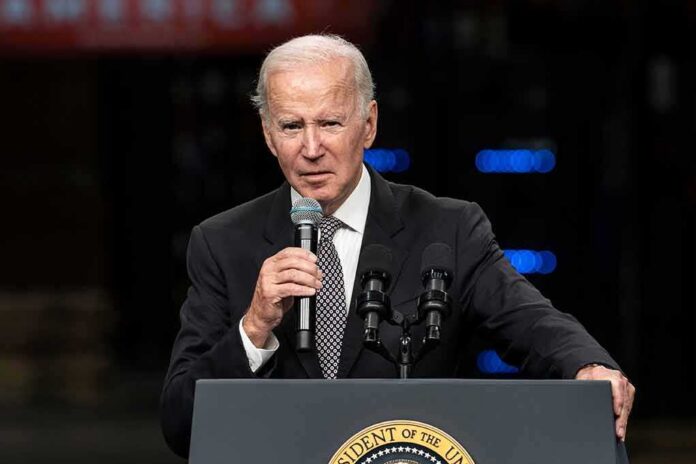
Joe Biden did fight hard to keep these tapes private, and the fight itself says as much as the audio does.
Quick Take
- The recordings were released only after a court fight over privacy and public access.
- The tapes come from Biden’s memoir work with ghostwriter Mark Zwonitzer, not a medical exam.
- Reporting says the audio includes Biden discussing classified material and struggling with details.
- The strongest counterpoint is simple: private, unscripted conversations are not the same as a clinical memory test.
Why These Tapes Became a Political Fight
The recordings became news because they sat at the intersection of two things Washington loves to weaponize: classified information and presidential memory. According to court reporting, a federal appeals court said the public interest in the tapes outweighed Biden’s privacy claims, which cleared the way for release after years of litigation. CBS News and Politico both report that Biden had fought disclosure, while the audio was tied to special counsel Robert Hur’s classified-documents review.
That matters because these were not stray comments pulled from nowhere. The recordings were made while Biden worked with his ghostwriter on his 2017 memoir, Promise Me, Dad, and they captured private conversations about events from his years as vice president. CBS News says the released material totals about 70 hours. The same reporting says Biden described potentially classified meetings and even said, “I just found some classified documents downstairs.”
What the Audio Appears to Show
The public excerpts point in two directions at once. On one hand, the recordings reportedly show Biden speaking about classified material with unusual ease, which strengthens the claim that the tapes matter to the special counsel probe. On the other hand, CBS News says the recordings do not definitively show significant cognitive decline, even though Biden sometimes struggled to recall dates and details. That is a narrower finding than the loudest political commentary suggests.
The difference is important. A person sounding unsure in casual conversation is not the same as proving mental incapacity. The tapes were made in a private memoir setting, not in a medical office, and the available reports do not show a formal neurological exam or a forensic review of Biden’s mental state. That leaves room for interpretation, and it is why selective clips can easily become political bait instead of evidence with proper limits.
Why Biden Tried to Stop Release
Biden’s side had a clear reason to resist. Politico reported that his spokesperson said the audiotapes were provided to Special Counsel Hur on the condition that they would not be made public. The Hill and CBS News also describe Biden’s legal effort to block disclosure before the appeals court ruled against him. That is a serious privacy claim, and it explains why this became a fight over records law, not just a story about old audio files.
Joe Biden didn't want these tapes to come out."
Former President Joe Biden's recorded conversations with his memoir ghostwriter, obtained during Special Counsel Robert Hur's classified documents investigation, have finally been released after a more than two-year FOIA battle.… pic.twitter.com/4JB0f9in2N
— ERICSCHMITT (MAGA) (@ERSCHMITT01) July 28, 2026
Still, privacy objections do not erase the public-interest argument. The appeals court said the public has a “substantial” interest in disclosure and specifically pointed to interest in the special counsel’s investigation of a former vice president handling classified information. CBS News likewise reports that the tapes were cited in Hur’s 2024 report, and that the recordings were released after a long court battle led by the Oversight Project, a conservative group. That origin matters because it shapes how the public reads the evidence.
What a Careful Reader Should Notice
The cleanest reading is not that the tapes prove everything critics want, or nothing supporters want. The stronger fact is that Biden wanted the recordings kept private and lost that fight. The stronger counterfact is that the tapes are excerpt-driven, redacted, and still not the same as a full independent review of all 70 hours. That means the public has enough to judge the dispute, but not enough to turn every clip into a final verdict on Biden’s mind.
That is where the story gets interesting. The tapes are not just about Biden’s memory, and they are not just about his handling of classified information. They also show how quickly investigative material becomes political theater once it escapes the courtroom. The moment a recording enters that arena, every side claims the same thing: that the other side is hiding the real story. The tapes now live in that harsh space between legal record and campaign weapon.
Sources:
facebook.com, cnn.com, npr.org, youtube.com
© integritytimes.com 2026. All rights reserved.