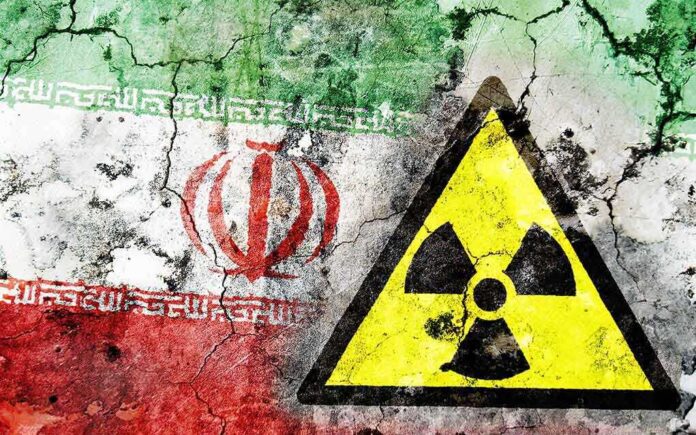
In a dramatic twist, Iran demands the U.S. pay compensation for war damages before any nuclear talks can resume, leaving many questioning the future of international diplomacy.
At a Glance
- Iran demands compensation from the U.S. for damages during the June 2025 war.
- Nuclear negotiations hinge on U.S. accountability and reparations.
- Direct military conflict further strains U.S.-Iran relations.
- Iran’s demand is unprecedented in nuclear diplomacy history.
Iran’s Bold Demand for Compensation
Iran’s Foreign Minister, Abbas Araghchi, has made waves by publicly declaring that the United States must compensate Iran for losses incurred during the June 2025 conflict before any nuclear negotiations can resume. Araghchi’s statement marks a significant escalation in Tehran’s diplomatic stance, introducing new preconditions for talks with Washington. The demand for compensation is unprecedented, highlighting the fallout from a breakdown in trust and the intertwining of military conflict with diplomatic processes.
Iran’s Foreign Minister: US Must Agree Compensation Before Nuclear Talks – FThttps://t.co/afwCAUGzAb
— LiveSquawk (@LiveSquawk) July 31, 2025
The situation traces back to June 13, 2025, when Israel launched an unprovoked attack on Iran, targeting military commanders, nuclear scientists, and civilians. In response, the U.S. joined the conflict, bombing three Iranian nuclear sites. Iran retaliated by targeting strategic sites in Israel and the U.S. airbase in Qatar. Araghchi’s interview with the Financial Times outlined compensation as a precondition for renewed talks, emphasizing Iran’s shift to a tougher diplomatic posture.
The Context of Escalating Tensions
US-Iran tensions have deep roots, particularly regarding Iran’s nuclear program and regional influence. The Joint Comprehensive Plan of Action (JCPOA) was signed in 2015 but unraveled after the U.S. withdrawal in 2018. Since then, periodic escalations, including assassinations, cyberattacks, and proxy conflicts, have punctuated attempts at renewed diplomacy. The June 2025 war represents a major escalation, with direct U.S. military involvement against Iranian nuclear sites during ongoing negotiations.
Iran’s demand for compensation is unprecedented in U.S.-Iran nuclear diplomacy. It is directly tied to military actions during negotiations, underscoring the need for new confidence-building measures. Iran seeks not only compensation but also security guarantees and recognition of its right to peaceful nuclear enrichment, aiming to restore deterrence and leverage in negotiations.
Implications for Future Diplomacy
The immediate suspension of nuclear negotiations increases regional uncertainty, with a heightened risk of further military escalation if diplomatic channels remain blocked. Iran’s leadership faces domestic pressure to secure tangible gains from diplomacy. In the long term, the potential for a protracted diplomatic standoff looms, with the risk of further conflict or nuclear proliferation.
The situation’s broader impact could lead to a realignment of regional alliances and security postures. Energy markets may experience volatility due to regional instability, and international diplomatic institutions face credibility challenges. The episode underscores the fragility of diplomatic processes amid ongoing regional conflict and great power rivalry.
Expert Opinions and Analysis
Industry experts note that Iran’s compensation demand represents a significant escalation, reflecting deep mistrust and a desire to shift the diplomatic balance. Some argue that U.S. and Israeli military actions during negotiations have undermined prospects for a negotiated solution. International law scholars highlight Iran’s invocation of the UN Charter, framing US strikes as violations of international norms, while nuclear non-proliferation experts warn that the breakdown in talks could accelerate Iran’s nuclear program.
Diverse viewpoints emerge, with Iranian officials emphasizing sovereignty and the right to peaceful nuclear enrichment. Meanwhile, U.S. and Israeli officials maintain that military action was necessary to prevent nuclear weaponization. The Financial Times interview, widely cited across media outlets, forms the basis for most reporting on Iran’s demand.