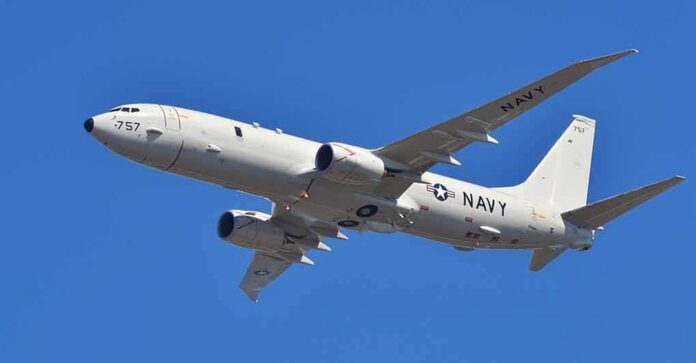
One Navy jet came in so low over a Florida beach that it sent tents and umbrellas flying and forced the Blue Angels to admit they crossed a safety line.
Story Snapshot
- A Blue Angels jet flew lower than its standard arrival profile over Pensacola Beach.
- The low pass blasted sand, tossed beach gear, and startled people at a public event.
- Navy leaders say safety is the top priority and launched a formal safety review.
- The maneuver fits a broader pattern of risky low passes that have already forced changes.
A calm morning turns into a shock wave on the sand
On Pensacola Beach, the “Breakfast with the Blues” event was supposed to be simple. Locals and visitors sat in beach chairs, under umbrellas, watching the United States Navy Blue Angels practice near their home base. One aircraft changed that mood in a few seconds. During an arrival maneuver, a jet came in at low altitude over the crowd, close enough that its wake turbulence ripped through the beach setup.
Witness video shows a single jet streaking over the shoreline, followed by a blast of wind and sand that launches tents, umbrellas, and lightweight chairs into the air. People duck, grab children, and lunge for their gear as the shock rolls across the beach. This was not a routine noise moment. The squadron itself later called it a “low-altitude pass” that flew “lower than standard profiles” and caused a “disturbance on the beach.”
Navy admits the pass was low and opens a safety review
The United States Navy’s elite demonstration team did not try to spin what happened. In a public statement, the Blue Angels acknowledged that during this arrival maneuver, the aircraft flew lower than its normal profile and that the pass directly affected civilian chairs and umbrellas on the sand. They stressed that the safety of their “hometown community, spectators, and our pilots” is their highest priority and said team leadership is now reviewing the maneuver.
Squadron officials told local media that they are conducting a thorough safety evaluation to ensure all operations follow strict Navy and Federal Aviation Administration standards. That language matters. It signals this is not shrugged off as “just part of the show.” For a conservative reader who values order, rule of law, and respect for military professionalism, this sounds like the right first step: admit the error, check the playbook, and tighten procedures instead of pretending nothing happened.
Why a low pass can turn into chaos so quickly
The physics behind what beachgoers felt are simple and unforgiving. High‑performance jets like the Blue Angels’ F/A‑18 create strong wake turbulence and pressure changes as they slice through the air at speed. When the aircraft flies higher, that energy mostly spreads and fades before it reaches the ground. When a pilot drops lower than planned, that same energy slams directly into whatever is beneath the flight path, including sand, tents, and people.
That is why air show rules put hard limits on speed and distance from crowds. The Navy’s own investigation into a 2021 “sneak pass” found a Blue Angels pilot flew inside the 500‑foot stand‑off line and faster than allowed, and the resulting sonic wave damaged buildings and left personnel with ringing ears. Small changes in height or speed can turn a dramatic moment into a near‑miss. Calling it “a disturbance” is polite; for families on the beach, it felt like a blast.
A familiar pattern: thrilling shows, recurring safety scares
This Pensacola Beach pass does not stand alone. The Blue Angels have wrestled before with how far they can push low‑altitude maneuvers without crossing the line. The 2021 high‑speed low pass that damaged structures at Naval Air Facility El Centro led to new safety measures, including speed reductions and larger buffers between the crowd and the flight path. The lesson was clear: the newer Super Hornet creates a stronger localized airflow, so old habits can be dangerous.
WATCH: Low Blue Angels flyover at Pensacola Beach sends items flying, shocks beachgoershttps://t.co/e6PuFDnRKA
— ABC 33/40 News (@abc3340) July 16, 2026
More serious cases underline the stakes. The fatal 2016 crash of Blue Angel 6 in Smyrna, Tennessee, came after a pilot misjudged altitude and speed during a complex “Split‑S” maneuver, starting the pull from too low and too fast. Investigators pointed to tactical errors and fatigue, and the Navy later adjusted schedules and gave pilots more room to opt out of flights if they did not feel ready. These are not rogue cowboys; they are elite professionals working in a high‑risk envelope where small mistakes can be deadly.
Balancing patriotism, spectacle, and common sense safety
For many Americans, the Blue Angels are more than a show. They are a moving symbol of national strength, discipline, and engineering, roaring across hometown skies. That emotional bond is strongest in places like Pensacola, where the team practices and flies over the coast year after year. People bring kids and grandparents to watch, not because they want danger, but because they trust the Navy will keep them safe while delivering a thrill.
That trust depends on visible accountability. When a jet flies low enough to flip beach tents, common sense says there must be a clear answer: what went wrong, who owns it, and what will change. So far, the Navy’s response follows that script. They acknowledged the deviation, launched a safety review, and tied their work directly to Navy and federal standards. The pattern from past incidents suggests likely outcomes: tighter maneuver rules, clearer altitude margins, and possible changes to how “arrival” passes are flown over civilian areas.
Sources:
thegatewaypundit.com, abcnews.com, cnn.com, pensacolabeach.com, youtube.com, calexicochronicle.com, fearoflanding.com, navytimes.com
© integritytimes.com 2026. All rights reserved.