
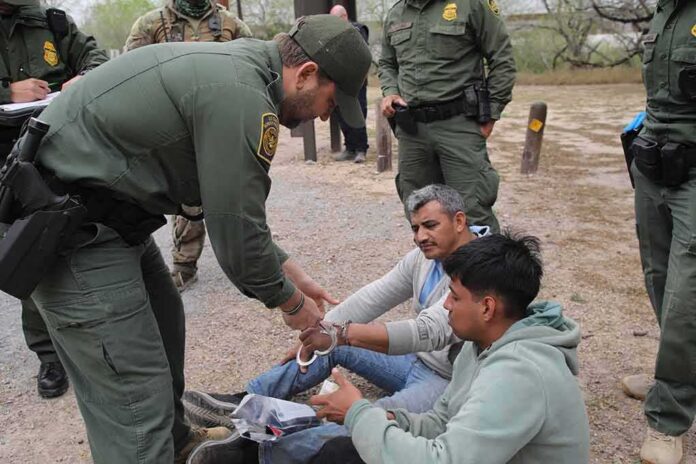
A U.S. immigration detention center is now accused of something so petty it borders on cruel: guards allegedly eating candy in front of children who were banned from having any.
Story Snapshot
- Senate Democrats say staff at ICE’s South Texas family center taunted kids by eating candy, pizza, and cookies in front of them.
- The same report describes a wider “culture of cruelty,” from sleep disruption to delays in medical care and bad food and water.
- The facility’s private operator and immigration authorities say conditions meet high federal standards and call abuse claims false.
- The clash highlights a deeper fight over how America treats migrant families while still enforcing its border and immigration laws.
What Senate investigators say happened inside Dilley
Senate Judiciary Committee Democrats sent staff into the South Texas Family Residential Center in Dilley, Texas, the main Immigration and Customs Enforcement (ICE) facility for families awaiting deportation or asylum decisions. Their report says detained parents and children described guards who mocked them, brushed off basic questions, and treated kindness as a problem, not a standard. One parent said guards who acted “too nice” were scolded by supervisors and ordered to be harsher toward families.
The most vivid accounts involve food. Under facility rules, children could not have candy or treats. Yet parents and kids told staff that guards would stand in front of them and slowly eat candy, pizza, donuts, or cookies where the children could see but not share. One child described a guard eating a lollipop “on purpose” to make the kids “feel bad,” which the Senate report highlighted as emblematic of deeper contempt for the families in custody.
A pattern of petty cruelty and serious neglect
The candy episode is only one piece of what the report calls a broader “culture of cruelty.” Families told investigators that guards stomped loudly through units at night and laughed after waking up children, who were already struggling to sleep under constant light and intrusive checks. Parents said staff entered rooms without knocking, adding to fear and the sense that privacy and dignity did not exist inside the facility.
Other accounts focus on basic living conditions. Families described food that children found hard to eat and water they considered undrinkable. Outside reporting on Dilley and similar sites has echoed complaints of stomach-turning meals, live worms and mold in food, and kids getting sick while parents say medical care arrives late, if at all. These details fuel the argument that what happens in family detention crosses from strict enforcement into needless harm to children.
ICE, CoreCivic, and Homeland Security push back
The government side tells a very different story. Immigration and Customs Enforcement and CoreCivic, the private company that runs Dilley, say the allegations do not match reality on the ground. CoreCivic has issued statements calling claims of “subprime” conditions at Dilley a hoax and insisting the center meets or exceeds all federal detention standards, pointing to regular audits, inspections, and oversight reviews to back that claim.
Officials say detainees receive proper meals, quality water, blankets, and medical treatment, and they stress that staff themselves drink the water and eat the same food that is served. The Department of Homeland Security has used similar language in response to other Senate investigations, arguing that some Democrats push “false” or exaggerated stories for political gain and that United States immigration detention facilities offer better care than many American prisons.
How this fits a much bigger fight over detention
This clash over candy, taunts, and treatment at Dilley comes on top of a growing stack of reports about abuses in immigration detention nationwide. Senator Jon Ossoff’s separate investigation has identified more than 1,000 “credible” reports of human rights abuses since early 2025, including physical and sexual abuse, mistreatment of pregnant women, and denial of food and water across multiple facilities. Advocacy groups and media outlets have collected similar stories from other centers and from Border Patrol holding sites.
From the conservative perspective, two things can be true at once. First, a sovereign country must enforce its borders and immigration laws; that means detention will always exist in some form. Second, there is no excuse for adults in uniform to mock hungry children with candy or ignore obvious sickness, if those accounts are accurate. Americans expect firmness at the border, not small-scale cruelty or indifference that shames the uniform and undercuts respect for the law.
Sources:
washingtontimes.com, ossoff.senate.gov, ca.news.yahoo.com, youtube.com
© integritytimes.com 2026. All rights reserved.











![AIR FRANCE A320 & Business Lounge 🇫🇷 Paris CDG to Tunis 🇹🇳 [FULL FLIGHT REPORT]](https://integritytimes.com/wp-content/uploads/sites/2/2026/08/maxresdefault-18-100x70.jpg "What Travelers Did To Airport Lounge is SICKENING")