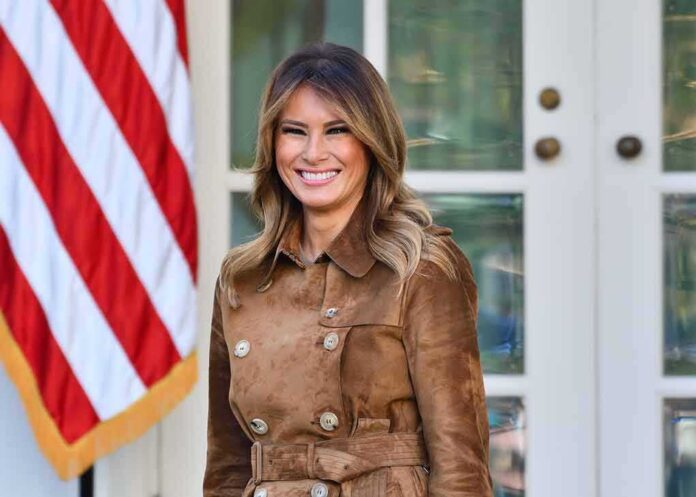
Amazon’s $40 million bet on “Melania” turned the First Lady’s quiet image into a roaring cash machine while her husband sits in the Oval Office.
Story Snapshot
- Amazon MGM Studios reportedly paid $40 million for Melania Trump documentary rights, plus a docuseries.
- Marketing spend reached about $35 million, rare for a nonfiction film.
- Melania reported $10.7 million in licensing income tied to the project.
- Lawmakers pressed Amazon on whether the spending created an appearance of influence-buying.
A record payday that broke the documentary rulebook
The New York Times reported Amazon paid Melania Trump’s production company $40 million for rights to “Melania,” a sum that included a related docuseries slated for later in the year. That number dwarfed typical documentary deals. The studio also backed the release with about $35 million in marketing, an unheard-of push for a nonfiction title, including splashy placements and premium ad buys. The money was not theoretical. Melania later reported $10.7 million in licensing income tied to the film on federal disclosures.
Amazon executives and Melania’s team framed the deal as normal studio business. Her adviser and agent, Marc Beckman, said he negotiated the $40 million agreement and pointed to Amazon’s global reach, the companion series, and a promised marketing blitz as the driving factors. Amazon, when asked, said it licensed the film for one reason: because it believed customers would like it. Its public-policy lead added that the studio won the project in a competitive bidding process based on access, story, and cultural relevance.
White House proximity and the appearance-of-influence problem
Members of Congress asked whether a far-above-market payment to the First Lady during a presidential term created an appearance of influence-buying. A congressional letter questioned if the $40 million licensing price and $35 million advertising budget might implicate federal anti-bribery concerns, given Amazon’s policy interests before the administration. The Washington Times summarized Senator Elizabeth Warren’s charge that the sum exceeded rival bids and merited scrutiny as “bribery in plain sight,” which Amazon rejects. No court has found wrongdoing. The concern is the appearance, not a proven crime.
Ethics scholars long warned that presidential families can profit from name and access even without breaking the law. Historians note past presidents tried to avoid the hint of private gain while in office. The modern norm has shifted, with watchdogs arguing that first families now push commercial ventures further, yet still often within legal bounds. That tension—legal but unsettling—explains why this deal drew such loud attention. The size, timing, and branding power are unusual for any first family transaction.
How big numbers warp the market—and public trust
Studios sometimes overspend on star vehicles. This case reaches into civic life. A $40 million rights fee and a $35 million ad push can set a market signal that access to power carries a premium. That encourages more offers that trade on office-adjacent fame rather than pure audience demand. Conservative common sense says rules should be clear and equal. If another company cannot match the price without hoping for favor, the field skews. That is how trust erodes, even if paperwork is clean.
Trump has said he was not involved and that the deal was “done with my wife,” a line meant to wall off official action from private income. That distinction matters, but it does not fully answer the practical question voters ask: would Amazon pay the same price if the subject were not the sitting First Lady? Amazon says yes, based on story merit and audience interest. Critics answer no, pointing to the price gap with other bids and the historic marketing tab. The truth of influence often hides in the premium paid.
The policy gap that begs to be closed
Federal ethics rules do not bind the president and, by extension, leave wide lanes for family ventures. The Brennan Center has noted that many entanglements remain legal on their face because the top offices are exempt from restrictions that cover most federal workers. That legal gap invites gray-zone deals and forces the public to police “appearances” with outrage alone. The better fix is simple: bright-line rules that bar White House-adjacent profiteering while in office, applied evenhandedly to every administration.
Sources:
feedpress.me, theguardian.com, rawstory.com, easternherald.com, people.com, washingtontimes.com, yahoo.com, encyclopedia.uia.org, pbs.org, ibtimes.co.uk
© integritytimes.com 2026. All rights reserved.