Democrats just hauled the White House into court over TV ads they say your tax dollars used to praise President Trump.
Story Snapshot
- The Democratic National Committee sued in Washington, D.C., over taxpayer-funded pro-Trump ads.
- The filing cites a long-standing ban on spending for “publicity or propaganda” not authorized by Congress.
- Reports say the Office of Management and Budget moved about $20 million from border funds to pay for the ads.
- The White House calls the spots public service announcements, not campaign ads.
What The Lawsuit Says Happened
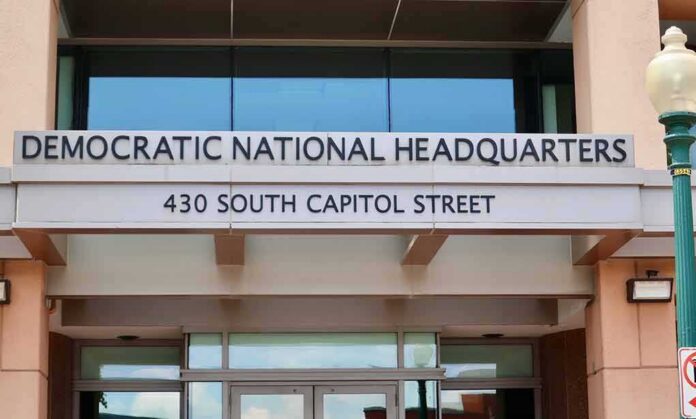
The Democratic National Committee filed suit in federal court in Washington, D.C., on October 7. The complaint argues the administration used money that Congress set aside to run a television blitz praising President Trump. The filing asks a judge to rule the spending unlawful and to stop the ads. Reuters reported the lawsuit quotes the ban on using appropriations for “publicity or propaganda purposes,” a familiar rule in spending law.
Politico reported that the Democratic National Committee claims the Office of Management and Budget shifted roughly $20 million from Customs and Border Protection to fund the campaign. That alleged transfer is a key plank of the case because it links a security budget to a political-style message buy. The complaint also points to the ads’ tone and branding as evidence they go beyond routine public messaging and cross into self-promotion with public money.
The Ads At Issue And Why They Matter
News reports describe the ads as “campaign-style,” praising Trump’s leadership and showcasing patriotic themes. The Associated Press reported at least several spots ran with disclosures that they were paid for by the United States government, and spending totals reached into the millions. The Democratic National Committee says the government picked five specific ads to push that favorable image ahead of the midterms, making the buy look less like information and more like image-building on the public dime.
Here is the legal rub that matters to taxpayers. Congress has, for decades, barred agencies from using appropriated funds for “publicity or propaganda” not approved by Congress. Watchdogs and the Government Accountability Office describe three red flags: self-aggrandizement, purely partisan content, and covert messaging that hides the government hand. When a message looks like praise for a politician instead of neutral information, alarms sound under that framework.
The Administration’s Response And What To Watch Next
The White House rejects the propaganda label. Officials told National Public Radio the ads are public service announcements. They note President Trump is not on the ballot in the midterms and say the spots include no request to vote or donate. They frame the content as patriotic reminders, not electioneering. That defense rests on form and purpose: if the aim is civic pride, they argue, then the government can speak to the public that way.
DEMOCRATS SUE TRUMP ADMINISTRATION OVER TAXPAYER-FUNDED POLITICAL ADS
The Democratic National Committee has sued President Trump and his administration over taxpayer-funded television advertisements promoting the president ahead of November’s midterm elections.
The lawsuit…
— The Macro Wire (@TheMacroWireOn) October 8, 2026
That defense faces a simple common-sense test most conservatives accept: the government may inform, but it should not promote a politician with your money. The line is not about whether an ad says “vote.” The line is whether the message serves a clear public need or mainly boosts a leader’s image. Courts and the Government Accountability Office have long warned that self-praise on the public tab crosses that boundary, even when wrapped in flags and anthems.
Why This Fight Is Bigger Than One Ad Buy
This clash sits in a long pattern of Congress policing executive messaging. Every year, lawmakers write the same guardrail into spending bills. Agencies can explain policies and alert the public to risks. They cannot run covert praise pieces, plug a party, or glorify an official. This lawsuit forces a hard look at tone, funding source, and timing. If the money truly came from border security, the purpose case must be airtight to pass legal muster.
The stakes are direct for voters and taxpayers. If a court agrees with the Democratic National Committee, the ruling could chill glossy self-promotional campaigns across agencies. If a court backs the White House, future administrations will cite that win to justify sharp-edged “public service” ads. Either way, the safest path remains clear: keep government messages factual, mission-tied, and modest. Let campaigns pay for praise. Let taxpayers pay for information.
Sources:
thegatewaypundit.com, nbcnews.com, politico.com, english.news.cn
© integritytimes.com 2026. All rights reserved.