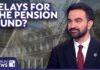

MSNBC’s immediate firing of Matthew Dowd after his on-air comments about Charlie Kirk’s assassination exposes the volatile clash between media bias and conservative voices in a nation still reeling from political violence.
Story Snapshot
- Matthew Dowd was fired by MSNBC after controversial remarks following Charlie Kirk’s assassination.
- Dowd’s comments were seen as victim-blaming, sparking intense backlash and rapid network response.
- MSNBC leadership issued a public apology and distanced the network from Dowd’s statements.
- The incident has amplified conservative concerns about media hostility and narrative control.
Immediate Reaction to Dowd’s Comments and Firing
On September 10, 2025, conservative activist Charlie Kirk was shot and killed at Utah Valley University during a campus event, shocking conservative communities nationwide. Hours later, MSNBC analyst Matthew Dowd made on-air remarks suggesting Kirk’s rhetoric contributed to an environment of political violence. The reaction was swift and fierce: social media erupted, and network president Rebecca Kutler issued a public apology, confirming Dowd’s immediate dismissal. This rapid response underscores the high stakes of media accountability amid national polarization.
Dowd’s comments were widely interpreted—especially among conservatives—as blaming the victim, fueling outrage over perceived media bias. The context of a high-profile assassination heightened the scrutiny. Conservative leaders, including former President Trump, publicly mourned Kirk, highlighting his influence and the gravity of the loss. The episode has crystallized deep-seated frustrations with mainstream media, further eroding trust and reinforcing the sense that conservative voices face disproportionate hostility and double standards in national coverage.
Historical Context: Media, Political Violence, and Conservative Concerns
Matthew Dowd, a veteran political analyst and former Bush–Cheney strategist, had a prominent role on MSNBC, a network long criticized by conservatives for liberal bias. Charlie Kirk, as co-founder of Turning Point USA, was a leading figure in youth conservative movements and a close Trump ally. The backdrop of Kirk’s assassination is a nation increasingly polarized by political violence and rhetorical escalation. In recent years, campus events featuring conservative speakers have faced disruptions and security threats, reflecting broader tensions over free speech and ideological diversity in public forums.
Media organizations have previously faced backlash and firings over insensitive or divisive commentary following violent events. This precedent, combined with the real-time amplification of outrage on social media, has made networks like MSNBC highly sensitive to public perception—especially when incidents involve conservative victims. Conservative audiences have long argued that mainstream media outlets downplay or rationalize violence against right-leaning figures while holding opposing voices to a different standard. This incident, in their view, is a stark example of that ongoing double standard.
Stakeholders, Power Dynamics, and the Broader Impact
The primary stakeholders include Dowd, whose commentary cost him his position and reputation; MSNBC, which must balance journalistic standards, audience trust, and crisis management; and the conservative community, mobilized by perceived victimization and media bias. Rebecca Kutler’s decisive action reflects the network’s need to protect its public image, but also highlights the power of social media-driven backlash in shaping high-level decisions. Donald Trump and Turning Point USA have leveraged the incident to rally supporters and critique what they view as systemic hostility toward conservative leaders and values.
The short-term consequences are clear: increased scrutiny of media commentary, further polarization, and heightened debate over responsibility in political discourse. Long-term, the firing may chill open analysis on sensitive issues and deepen the erosion of trust in legacy media among conservatives. Some experts argue that such incidents can escalate division and anxiety, while others call for a more nuanced approach to discussing the links between rhetoric and political violence. The ongoing investigation into Kirk’s assassination and Dowd’s public apology have not stemmed the sense of grievance among conservative Americans, who see this as part of a broader pattern undermining their values and voices.
Matthew Dowd Fired From MSNBC: REPORT https://t.co/FVS3GcOaPY via @dailycaller
— JaneDoe (@JaneOpines) September 11, 2025
Ultimately, the rapid sequence of backlash, apologies, and firings highlights not only the volatility of the current media and political landscape, but also the urgency felt by conservatives to defend their leaders and ideals against narratives they view as hostile or dismissive. As the investigation continues and the nation debates the boundaries of responsible commentary, this episode serves as a rallying point for renewed attention to media bias, freedom of speech, and the protection of traditional American values.
Sources:
Charlie Kirk: MSNBC Fires Matthew Dowd After ‘Shocking’ Remarks About Assassination
MSNBC Analyst Matthew Dowd Reportedly Fired After Comments Following Assassination of Charlie Kirk
Matthew Dowd Fired From MSNBC After Comments About Charlie Kirk Assassination, Reports Say