The United States stands on the precipice of deploying a weapon it has never used in combat, one that could fundamentally reshape the escalating confrontation with Iran and signal a point of no return in the Middle East.
Story Snapshot
- CENTCOM requested deployment of the Dark Eagle hypersonic missile for potential strikes against Iran, marking the first proposed U.S. combat use of such weaponry
- Admiral Bradley Cooper briefed President Trump on plans for a “final blow” involving swift strikes to force Tehran into nuclear negotiations
- Iran relocated missile launchers beyond U.S. Precision Strike Missile range, depleting American stocks and creating tactical gaps
- Trump maintains openness to military action including seizure of the Strait of Hormuz after two months of naval blockade in the Persian Gulf
- Defense experts question the wisdom of deploying an unproven hypersonic system amid doubts about its operational readiness
When a Blockade Stops Working
President Trump characterized the naval blockade strangling Iranian shipping in the Persian Gulf as “somewhat effective,” but that tepid assessment reveals the core problem. Two months of economic pressure have failed to bring Tehran to the negotiating table. Iran refuses to discuss its nuclear program while American warships patrol their coastline. The blockade has created leverage, yet not enough to crack Iran’s resolve. Trump keeps military options on the table precisely because the current strategy hovers in uncomfortable limbo between insufficient pressure and actual war.
The tactical landscape shifted when Iranian forces moved their missile launchers beyond the 499-kilometer range of U.S. Precision Strike Missiles. This calculated repositioning exposed American vulnerability. CENTCOM found itself depleted of the very weapons designed for such scenarios, creating an operational gap that demands either resupply or a new approach. The Dark Eagle hypersonic missile emerged as the Pentagon’s answer, a weapon that travels at speeds exceeding Mach 5 and covers distances that render Iran’s repositioning strategy obsolete.
The Hypersonic Gamble Nobody Asked For
The Dark Eagle represents American ambition colliding with battlefield reality. Russia deployed hypersonic missiles in Ukraine. China flaunts its own hypersonic arsenal. The United States, despite pouring resources into development, has yet to fire one in anger. CENTCOM’s request to deploy this untested system to the Middle East raises fundamental questions about readiness versus desperation. Jennifer Kavanagh from Defense Priorities captured the absurdity bluntly, stating the push “suggests Pentagon has lost all perspective.” Deploying experimental weaponry in a powder keg reflects either supreme confidence or dangerous improvisation.
The Center for Strategic and International Studies identified the Precision Strike Missile shortage as the driving force behind this hypersonic pivot. When conventional options run dry, the military reaches for unproven alternatives. The Dark Eagle was designed for long-range precision strikes against hardened targets, exactly the infrastructure CENTCOM plans to hit in Iran. Yet operational testing remains incomplete. The weapon may deliver devastating results or catastrophic failure, and the Middle East serves as an unforgiving classroom for on-the-job training.
What Trump Heard in the Briefing Room
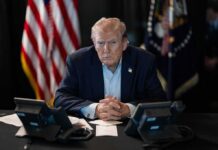
Admiral Bradley Cooper presented Trump with a menu of escalation during their briefing. The “final blow” concept centers on swift, powerful strikes against Iranian infrastructure to compel nuclear negotiations. CENTCOM also outlined seizing the Strait of Hormuz with ground forces, choking off a maritime chokepoint through which roughly one-fifth of global oil flows. A third option involved special forces targeting Iran’s uranium stockpile directly, a mission carrying extraordinary risk with potentially catastrophic consequences if compromised. Trump listened to these options with the blockade still in effect and diplomatic channels frozen.
The proposed strikes aim for brevity and impact rather than prolonged engagement. CENTCOM envisions a compressed timeline that delivers maximum pressure without sliding into protracted war requiring congressional authorization. Two months of escalating tensions already push close to that threshold. The strategy gambles that overwhelming force applied rapidly will crack Iranian resolve where sustained economic pressure failed. This approach echoes Trump’s previous maximum pressure campaign but replaces sanctions with missiles. Whether Iran responds with capitulation or retaliation remains the central uncertainty.
The Variables Tehran Controls
Iran claims possession of a “mystery weapon” capable of countering American actions, though details remain vague enough to dismiss as bluster or worry about as genuine threat. Tehran’s track record includes asymmetric warfare through proxy militias, tanker attacks, and exploiting regional instability. The 2020 assassination of General Qasem Soleimani demonstrated American willingness to strike high-value targets, yet Iran’s response proved measured rather than overwhelming. This history suggests Tehran calculates carefully but unpredictably. The mystery weapon claim could represent psychological warfare or genuine capability hidden until deployment becomes necessary.
Iranian relocation of missile launchers demonstrates tactical sophistication. Rather than engage American forces directly, Tehran adjusted positioning to neutralize U.S. weapons while preserving their own capability. This chess-like maneuvering complicates American planning and forces costly countermoves like hypersonic deployment. Iran demands removal of the blockade before discussing nuclear issues, creating a standoff where neither side blinks first. The longer this deadlock persists, the greater the pressure builds toward military resolution. Commercial shipping through Hormuz already faces disruption, threatening global energy markets and raising economic stakes beyond bilateral conflict.
The Precedent That Changes Everything
First combat use of American hypersonic missiles would establish precedent with ramifications extending far beyond Iran. Russia and China watch closely, calibrating their own hypersonic programs against U.S. capabilities. Success validates years of American investment and potentially triggers an accelerated arms race. Failure exposes weakness and emboldens adversaries. The Middle East becomes the proving ground for weapons designed with peer competitors in mind, a curious deployment choice given Iran lacks the sophisticated air defenses of Russia or China. Using a sledgehammer against a target requiring a scalpel suggests either overkill or desperation masquerading as strength.
The broader implications touch energy markets, regional stability, and constitutional war powers. Oil prices react violently to Hormuz disruptions. Middle Eastern populations face the prospect of another American military campaign in their backyard. Congress confronts questions about authorization as military action expands beyond blockade into kinetic strikes. Trump’s decision carries weight beyond immediate tactical concerns. This moment crystallizes whether American strategy toward Iran prioritizes negotiated settlement or military dominance. The Dark Eagle’s deployment or denial will answer that question with finality that words cannot obscure.
Sources:
CENTCOM chief briefs Trump about ‘final blow’ to Iran
US military wants to deploy unready hypersonic missile against Iran
Trump to get briefing on military plans for Iran
US CENTCOM asks for long-delayed hypersonic missile to be deployed for possible use against Iran