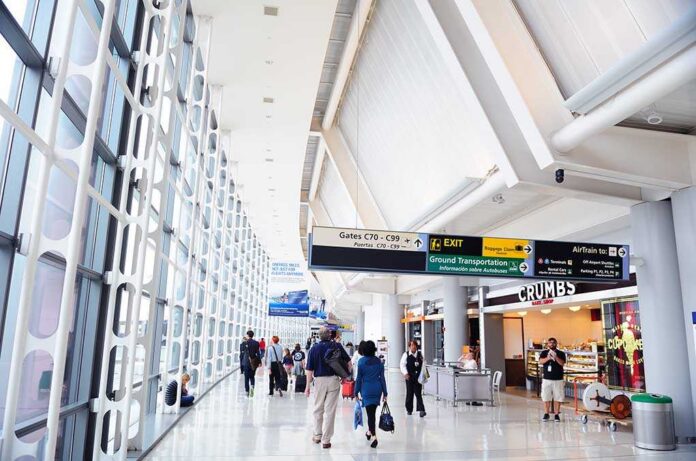
Four letters can turn a normal boarding pass into a small jolt of dread.
Quick Take
- The code people fear is **SSSS**, which means extra security screening, not a special airport name.
- Travel writers focus on it because the letters are easy to spot and easy to misunderstand.[1][2]
- The code signals added inspection at the airport, so it can mean a longer wait before boarding.[1][2][3]
- The fear grows because many travelers know airport codes as three letters, not four.[2][3][4]
What the Code Means
The four-letter code that travelers do not want on a boarding pass is SSSS, which stands for Secondary Security Screening Selection or Secondary Security Selectee.[1][2][3][6] In plain English, it means the traveler has been chosen for extra screening before boarding.[1][2][3]
That extra screening can include more searching of bags, closer inspection at the checkpoint, and more time at the airport.[1][2][3] The important point is simple: the code points to a process, not a crime.[1][2][3]
Why It Feels Bigger Than It Is
The letters create drama because they look secretive, and they arrive at the worst possible moment.[1][2][6] A boarding pass is supposed to give useful travel facts, not a surprise that sounds like a warning label.[4][6]
This is also where confusion spreads. Most passengers expect three-letter airport codes like those used on tickets and baggage tags, while aviation also uses four-letter systems for operational work.[2][3][4] That gap makes a strange code feel more alarming than it really is.[2][3]
Why Airlines and Security Use It
Security agencies use the code to flag a traveler for more review without causing a public scene.[1][2][3] That keeps the process controlled and lets staff know who needs a second look before the passenger reaches the gate.[1][2][3]
The code does not mean the traveler is guilty of anything.[1][3][6] It usually means a computer or security process selected that person for closer screening, and the reasons are not always public.[3][6]
While passengers identify airports using three-letter IATA codes like SIN for Singapore Changi, pilots and air traffic controllers use four-letter ICAO codes like WSSS for flight planning and navigation.
What is the pilot code for your home airport? 👇 pic.twitter.com/Ca4Ed36DvA
— Airport Alchemy (@airportalchemy) June 10, 2026
That secrecy is part of why the code has such a strong reputation. People see four letters, do not know the system, and fill in the blanks with fear.[1][2][4] The code itself is ordinary inside aviation. The reaction to it is what makes it memorable.[2][3][4]
Why the Story Keeps Coming Back
Travel media keeps recycling this topic because it hits a sweet spot: a tiny detail, an easy scare, and a clear payoff in clicks.[1][2][6] Readers instantly recognize the boarding pass setting, even if they have never seen the code before.[4][6]
But the facts stay the same. SSSS is a security marker, not an airport code, and it means extra screening before a flight.[1][2][3][6] If you see it, the smart move is not panic. It is to plan for more time and expect a longer screening process.[1][2][3]
Sources:
[1] Web – Airports’ four-letter code you won’t want to see on your boarding pass
[2] Web – The Quiet Genius of ICAO Airport Codes – Cranky Flier
[3] Web – Airport Codes Explained (FAA, ICAO, IATA) – Pilot Institute
[4] Web – You see airport codes every time you travel – Uniting Aviation
[6] Web – USA Airport Codes and What They Mean – IME Connect
© integritytimes.com 2026. All rights reserved.