
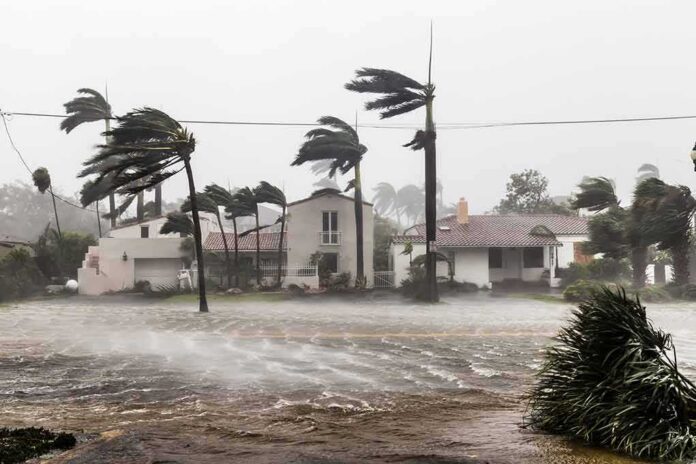
Flooding turned core Flagstaff roads into danger zones, forcing closures and travel warnings as water rushed across streets and washes.
Story Snapshot
- Flagstaff officials urged residents and visitors to avoid travel after widespread flooding closed major roads.
- National Weather Service warnings confirmed impassable roads and deadly low-water crossings in the area.
- Arizona transportation officials shut sections of Interstate 17 and other highways because of flood danger.
- Local outlets reported water rescues and regionwide closures as storms soaked northern Arizona.
Flagstaff Issues Citywide Travel Warning As Roads Flood
The City of Flagstaff advised people to avoid travel after heavy rain flooded major corridors and neighborhood routes. The notice listed parts of South Milton Road, Route 66, Butler Avenue, East Huntington Drive, and South Lone Tree Road as affected. City staff said emergency response crews were working at capacity, while barricades and closures spread across the network. The city message stressed safety first and asked drivers to stay off closed streets while water and debris moved through town.
The National Weather Service issued active flood warnings that called out Flagstaff by name. The warning said flooding from excessive rainfall continued and that some roads were closed and impassable. It also warned that low-water crossings can become deadly during flash floods. The agency urged people not to enter floodwater under any circumstance. A separate flash flood statement told the public to obey all road closures and to turn around, not drive through flowing water.
Highways Close As State Crews Respond To Dangerous Conditions
Arizona transportation authorities shut portions of Interstate 17 in northern Arizona as storms hit the region. Closures included northbound Interstate 17 at State Route 179 and southbound lanes near the Flagstaff Pulliam Airport at milepost 337, according to reports. Some stretches later reopened after conditions improved and crews verified safer travel. The state action aligned with local warnings and showed a layered response as city, state, and federal partners worked the same weather threat.
Local and regional outlets documented the strain on emergency services and drivers. Reporters described a water rescue by Flagstaff fire personnel on a flooded street as the rains overwhelmed drains and washes. Coverage also tracked multiple highway shutdowns across northern Arizona, reflecting how fast rain bands shifted trouble spots. The mix of municipal closures, state highway actions, and federal warnings showed a common message: respect barricades and keep clear of floodwater until waters recede.
Where The Water Went: Creeks, Washes, And Key Routes At Risk
National Weather Service bulletins named the local waterways that swelled during the storm. The list included the Rio de Flag, Walnut Creek, Pumphouse Wash, Schoolhouse Draw, and Schultz Creek. The agency also cited Route 66 between mile markers 192 and 202 among affected corridors. These channels and corridors cut through busy parts of the city. When they jump their banks, fast water can spread across lanes and hide hazards like potholes, lifted manholes, and debris piles.
Flood Warning for Flagstaff: Flooding caused by excessive rainfall continues. Where: Coconino County in north central Arizona, Navajo County in north central Arizona, Apache County in northeastern Arizona, When: Until 100 PM MST Monday. Impacts: Roads …https://t.co/l2ORRVF7uA
— Flagstaff Weather (@_FlagstaffAZ) November 2, 2026
Flagstaff’s own flood guidance explains why closures come early and stay in place. A vehicle can float in about a foot of water, which is easy to miss at night or in heavy rain. City safety tips say do not cross flooded areas and respect all barricades. That simple rule saves lives when driver judgment is clouded by stress or urgency. The conservative takeaway is clear: local freedom depends on personal responsibility, and that starts with heeding clear safety orders.
How To Navigate The Aftermath And Stay Ready
Residents should check official city alerts, the National Weather Service updates, and Arizona’s road information before leaving home. Drivers should plan alternate routes, carry basic supplies, and keep a phone charger. Homeowners near washes should move valuables up high and clear drains. Churches, civic groups, and neighbors can step up to help seniors and families. That volunteer spirit reduces strain on first responders, who need clear roads and fewer calls when storms strike again.
Sources:
youtube.com, flagstaff.az.gov, forecast.weather.gov, ktar.com, tucson.com, jacksonville.com, dolphinswire.usatoday.com
© integritytimes.com 2026. All rights reserved.