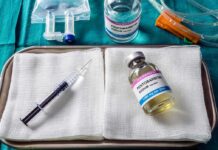

A lab worker died after sudden pneumonia at Russia’s anti-plague institute, and officials quarantined scores while telling everyone to relax.
Story Snapshot
- A laboratory worker in Irkutsk died; officials cited pneumonia of unknown cause.
- Dozens to nearly 200 contacts were identified and placed under observation.
- Russian agencies denied a confirmed plague case or any lab accident.
- Global actors, including the World Health Organization and the United States, monitored the event.
What Happened And Why It Drew Global Eyes
Russian media and international outlets reported the death of a young employee at the Irkutsk Anti-Plague Research Institute. Authorities moved fast to trace contacts, set quarantines, and calm fears of pneumonic plague. Russia’s public health watchdog said the worker had “pneumonia of unknown origin,” not a confirmed plague case, and that tests tied to her job came back negative for work-related pathogens. The rapid mix of quarantine, denials, and rumor guaranteed worldwide attention.
Officials said the broader sanitary situation in Irkutsk and nearby Shelekhov was stable and under control. That message aimed to slow panic, yet it could not stop a second wave of chatter after a regional leader first suggested plague, then softened the language to “possibly,” and local warnings reportedly disappeared from municipal channels. This push-pull is classic in high-stakes biosafety scares: public worry rushes in before lab results catch up.
What Authorities Confirmed, And What They Pushed Back On
Rospotrebnadzor, Russia’s health watchdog, said extensive testing found no microorganisms connected to the worker’s professional activity. The agency also said no accidents with dangerous microbes occurred at the institute. State outlets reported that contacts tested negative for pneumonic plague, and that routine respiratory bugs, like coronavirus and rhinovirus, explained some illnesses among those observed. The government line held: serious case, strong response, no confirmed plague.
Quarantine and monitoring still mattered. Officials identified, examined, and placed dozens under medical supervision to break any possible chain of spread. That is standard outbreak playbook. Test, trace, and isolate are boring words until they save lives. The mix of caution and denial may look odd, but it matches a pattern: take action to be safe, describe conditions as stable to avoid panic, and keep lab findings close until certain.
Why The Story Kept Changing Gears
Early reports linked the death to suspected plague. Then the phrasing shifted to pneumonia of unknown cause. Local posts about travel cautions reportedly came down. That zigzag sparks claims of censorship, but it can also reflect real-time triage. Leaders guessed early, then hedged as tests rolled in. My view, weighing the record, is simple: Russia confirmed the death, imposed quarantines, and denied a confirmed plague source with consistency; that is notable, but not proof of full transparency.
The World Health Organization told reporters it was aware and tracking the case, and preliminary risk to the public looked low. The United States also said it was watching the situation, and President Trump signaled readiness to help if asked. That outside attention is normal when a high-consequence pathogen is even suspected. Closed systems do not travel well in the internet age; signals leak, markets twitch, and phones light up.
What Common Sense Says To Watch Next
Confirming plague needs evidence from culture or genetic tests of Yersinia pestis. None has been made public. The strongest facts today are these: one worker died, authorities quarantined contacts, tests so far do not tie her illness to lab pathogens, and officials insist the region is stable. Skeptics point to softened statements and a deleted post. Supporters of the official line point to negative tests in contacts and the absence of a second verified case.
Russia’s plague scare: What the Siberian lab death means for global health
A Siberian laboratory worker’s death has triggered a plague investigation, but the evidence so far points to a low international health risk.
Read the latest update and explainer here:…
— Research, News & Analysis (@RNA_NewsMedia) October 6, 2026
American conservative instincts balance caution with clarity. Do not panic; demand facts. Ask for the postmortem results. Ask for the lab’s incident logs. Expect cooperation across borders when lives are at stake. Also, keep perspective: plague scares are rare, treatable when found fast, and blunt when basic hygiene and antibiotics are in place. Until evidence proves a leak or an outbreak, the practical move is steady monitoring and straight answers, not rumor chasing.
Sources:
insiderpaper.com, cnbc.com, euronews.com, reuters.com, aljazeera.com, cbsnews.com, unn.ua
© integritytimes.com 2026. All rights reserved.