Armed men tied to the Allied Democratic Forces stormed Cantine in eastern Congo overnight and left dozens of civilians dead, homes burned, and a clinic in chaos.
Story Snapshot
- Local and territorial officials identified the attackers as Allied Democratic Forces fighters.
- At least 33 people were found dead, with more than 50 homes burned in Cantine.
- A nearby health post was torched, sending patients and Ebola contacts fleeing.
- This attack fits a years-long Allied Democratic Forces pattern of mass killings in North Kivu and Ituri.
What Happened In Cantine And Why It Matters
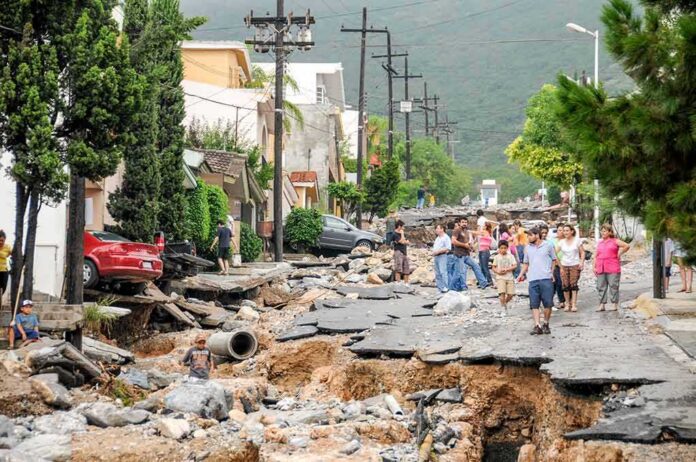
Witnesses in Cantine, a community in North Kivu, described a night raid that turned homes into ash and left bodies in the streets. A local civil-society leader counted at least 33 dead and more than 50 houses burned by morning. The Beni territorial administrator said Allied Democratic Forces fighters carried out the killings and arson, and a health post was set on fire as people ran for safety. The scene echoed a grim script this group has used across the region.
Reports from the ground also described looting and a flight into the bush. Families woke to gunfire, then flames. Survivors recounted attackers moving house to house, seizing goods, and torching shelters. Health workers said patients and those tracked for Ebola exposure fled when the clinic area went up in flames, scattering vital records and breaking contact lines needed to contain disease spread. The violence was not only a massacre. It was a direct hit on fragile public health.
Who The Allied Democratic Forces Are And How They Operate
The Allied Democratic Forces are a long-running insurgent group that operates in eastern Congo and parts of Uganda. The United States lists them as tied to the Islamic State’s regional branch, and they often target civilians, including Christians, in North Kivu and Ituri. United Nations reporting shows the Allied Democratic Forces caused more than a thousand civilian deaths in 2025 alone. Their hallmarks include night raids, village burnings, abductions, and assaults that overrun weak local defenses.
The group’s method is simple and ruthless: strike soft targets to spread fear, drain trust in authorities, and disrupt services. Burning a health post forces caregivers to flee. Burning homes pushes families onto roads where more attacks are easy. Looting food and medicine feeds the next raid. The pattern seen in Cantine matches this known playbook, which relies on quick shock, local knowledge, and the fog of rural terrain to escape follow-on pursuit.
The Attack’s Ripple Effects On Security And Health
The deaths and destruction in Cantine created more than grief. The assault broke contact chains for Ebola monitoring and forced families to move at night, when checkpoints and clinics were not ready to receive them. That chaos hurts every honest neighbor who wants stability, and it rewards the men who light the fires. American common sense says secure borders, strong local policing, and clear lines of authority save lives. In eastern Congo, that means backing units and systems that can hold ground and protect clinics.
The video shows a mass burial of victims from the Ntoyo massacre in North Kivu, eastern DR Congo (Sept 2025). ADF (ISIS-linked) militants attacked a Christian funeral wake with machetes and guns, killing 60–100+ civilians. Bodies were wrapped in cloths and placed in a communal… https://t.co/s6fEmf3DJd
— American Empire (@Djohannes52) November 18, 2026
Local officials urged tighter patrols on known approach routes, faster alerts to villages at risk, and support to rebuild burned structures. Civil groups asked for help to track the missing, bury the dead with dignity, and restore medical care. These steps matter because the Allied Democratic Forces often return where fear lingers. When a village stands back up fast, the cost of terror rises for the attackers. When clinics reopen and records are rebuilt, disease control also regains its footing.
How This Fits A Wider Pattern Of Violence
The Cantine killings were not an isolated shock. The Allied Democratic Forces have carried out repeated mass-casualty attacks across North Kivu and Ituri, drawing condemnation from the United Nations and international partners. Their leaders pledge violence and then deliver it through small mobile units. The numbers differ after each strike, but the core facts hold: civilians pay the price, homes and shops burn, and basic services stop. The Cantine raid matches that pattern with grim precision.
Sources:
thegatewaypundit.com, fakti.bg, storyafrica6.com, congress.gov, bbc.com
© integritytimes.com 2026. All rights reserved.