Florida just turned college admissions into the next front line of the immigration debate, and the fallout will not stay inside campus gates.
Story Snapshot
- Florida’s State Board of Education voted to ban undocumented students from its 28 public colleges and adult education programs.
- New rules require applicants to prove they are citizens or “lawfully present” before admission or enrollment.
- Analysts say colleges could lose more than $15 million a year in tuition and fees under the ban.
- Florida’s public universities are advancing a separate rule to block undocumented students from selective campuses starting in 2027–28.
Florida officials lock college doors to undocumented students
The Florida State Board of Education approved a rule that closes the state’s 28 public colleges to undocumented students, including adult education programs that prepare people for high school equivalency tests and basic skills classes. The rule says colleges may only admit students who are United States citizens or “lawfully present” in the country, and it orders every college board of trustees to build admissions systems that enforce that standard before a student ever sets foot in a classroom.
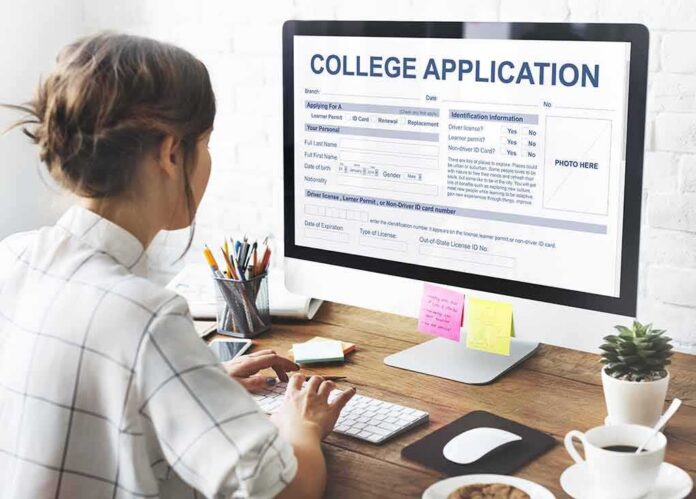
Under the new policy, every applicant must attest to being a citizen or lawfully present and then back that up with documents that meet a “clear and convincing” standard. Colleges must verify this before granting admission or enrollment, and they can also factor in past misconduct when deciding whether to accept a student. This goes far beyond the usual transcript and test score review and turns immigration status into a hard gate rather than a side issue handled quietly in the financial aid office.
The stated goals and the real cost to colleges
Supporters frame the rule as a way to enforce lawful presence and protect limited state resources, especially after lawmakers already ended in-state tuition for undocumented students last year. From a conservative, common-sense point of view, many taxpayers see it like this: public colleges are funded by citizens, so seats and subsidies should go first to citizens and legal residents. That argument resonates in a state where border security and immigration enforcement are central to Governor Ron DeSantis’s political brand.
Financial data tell a different story about “protecting resources.” The Florida Policy Institute estimates the Florida College System could lose more than $15 million every year in tuition and fees because undocumented students will be blocked from enrolling. One analysis shows large community colleges in South Florida alone could lose about $4 million in revenue. For adults pushed out of General Education programs, the cost is not just dollars; it is the loss of basic reading, writing, and math that help them work and pay taxes. From a fiscal conservative view, turning away paying students while keeping the lights on in those classrooms is hard to square with efficient government.
Universities move in parallel and define lawful presence
Florida’s 12 public universities are not covered by the college rule, but their governing Board of Governors is advancing its own ban. The board moved a proposal forward that would block new undocumented students from enrolling at “competitive” universities beginning in the 2027–28 academic year. The draft says a person who is not lawfully present in the United States cannot start at any state university that does not admit all academically qualified applicants, which includes places like the University of Florida and University of South Florida.
University officials say current students will not be affected, and the proposal focuses only on new applicants. When a board member asked how “not lawfully present” would be defined, counsel said universities will rely on federal government standards. That sounds simple, but in practice it means campus staff will be pulled into the gray areas of immigration law. They will have to read visas, deferred action papers, and other federal documents just to decide who can start a degree, shifting universities closer to an enforcement role many educators never asked for.
Legal questions, national context, and conservative values
Advocacy groups and policy analysts argue the Florida boards may be stepping beyond what state law allows. The Florida Policy Institute points out there is no clear statute ordering colleges to deny admission based on immigration status and calls the new rules contrary to the state constitution and legislative intent. A legislative oversight committee is already asking whether education officials have the legal authority to make such sweeping changes without direct action from lawmakers. For conservatives who care about limited government and proper process, unelected boards making major policy by regulation instead of clear statute raises red flags.
“Exploring all options”: Advocates vow to fight Florida state college ban on undocumented students https://t.co/mYhLLSmf16 pic.twitter.com/hCldXC9xBI
— WFTV Channel 9 (@WFTV) July 4, 2026
National guidance also matters here. The National Immigration Law Center notes that federal law does not treat admission to public colleges as a regulated “public benefit” and does not itself ban states from enrolling undocumented students. Many states instead limit access through tuition and aid rules rather than outright enrollment bans. Florida’s move places it in a small group of states, like South Carolina and Georgia, that use hard prohibitions. That choice lines up with a strict rule-of-law approach many conservatives support, but it also ignores evidence that education and work participation by undocumented youth can strengthen local economies over time.
What this means for families and the next political fight
For undocumented teens and adults living in Florida, the message is blunt: no matter how hard you study, you cannot start at a public college or in an adult General Education program unless your immigration status changes. There are no grandfather rights for future applicants, and colleges are now required to screen you out at the door. Some will look to private schools or out-of-state options, but those paths are often far more expensive and out of reach for working families.
Advocates are already preparing legal and administrative challenges and urging people to speak out in hearings and public comment periods. For readers who care about border control, the question is whether this kind of rule strikes the right balance between enforcing immigration law and rewarding hard work and merit. The coming months will test whether Florida’s conservative push for strict lawful presence rules can stand up in court, in the budget, and in the lives of students who grew up in its schools but now find the college doors locked.
Sources:
gatewayhispanic.com, highereddive.com, youtube.com, newsfromthestates.com, facebook.com, wftv.com, insidehighered.com, wusf.org, floridapolicy.org, presidentsalliance.org, higheredimmigrationportal.org
© integritytimes.com 2026. All rights reserved.