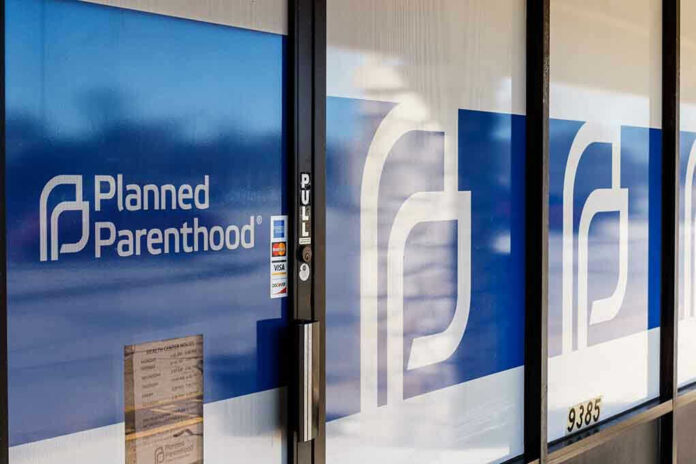
A federal appeals court just gave President Trump a major victory by allowing his administration to strip Planned Parenthood of Medicaid funds, upending years of leftist judicial roadblocks and energizing pro-life advocates across the nation.
Story Snapshot
- The First Circuit Court of Appeals overturned a lower court, letting Trump’s year-long defunding of Planned Parenthood proceed immediately.
- The decision marks a significant win for conservative, pro-life priorities and a setback for pro-abortion groups and their political allies.
- Planned Parenthood and 22 state officials are urgently challenging the provision in court, but the defunding is already in effect.
- Legal experts say the ruling signals a decisive shift in federal power over abortion and taxpayer funding in the post-Dobbs era.
Appeals Court Empowers Trump Administration to Defund Planned Parenthood
On September 11, 2025, the U.S. Court of Appeals for the First Circuit granted a stay on previous injunctions, permitting the implementation of the Trump administration’s provision to eliminate Medicaid funding for Planned Parenthood and its affiliates for one year. This decision reverses the July district court block and allows the defunding measure, part of the One Big Beautiful Bill Act, to take immediate effect. The legal battle underscores President Trump’s commitment to conservative values—prioritizing fiscal restraint and the sanctity of life over controversial spending on abortion providers.
This legislative victory targets providers performing abortions, effectively singling out Planned Parenthood—the nation’s largest abortion provider. The move comes after years of pro-life frustration with federal dollars indirectly supporting abortion services, despite longstanding legal restrictions. Trump’s administration, backed by pro-life advocates like Susan B. Anthony Pro-Life America, argues that taxpayer funds should not subsidize organizations involved in abortion, a position resonating with many Americans who demand accountability and respect for traditional values in government spending.
Legal and Political Showdown: Stakeholders and Motivations
The court’s decision does not end the controversy. Planned Parenthood, supported by 22 state attorneys general and the Pennsylvania Governor, continues to fight the provision in federal courts. While pro-life groups hail the ruling as a long-overdue correction, pro-choice organizations and the National Abortion Federation argue that it jeopardizes access to essential health care for millions of low-income women. The intense polarization reflects a broader national divide, with advocacy groups on both sides mobilizing legal resources and public campaigns to influence the outcome of ongoing litigation.
Legal scholars highlight the case’s significance in the post-Dobbs landscape, where authority over abortion policy has shifted from federal protection to state-level contests. The ruling also underscores the expanding role of executive power in shaping healthcare funding, testing constitutional boundaries and sparking debate over the appropriate reach of government in personal and medical decisions. The ongoing legal appeals may set new precedents for future executive actions and Congressional legislation on reproductive health funding.
Immediate and Long-Term Consequences for Medicaid, Patients, and Policy
The immediate result of the ruling is the suspension of Medicaid funding for Planned Parenthood in affected states, a shift with substantial implications. Low-income patients reliant on Planned Parenthood for cancer screenings, contraception, and other services may face disruptions or reduced access, as the organization grapples with sudden financial strain. Broader impacts include the risk that other healthcare providers will avoid offering abortion services, fearing similar funding cuts, which could further limit options for vulnerable communities.
Biden appeals court torpedoes Obama judge's injunction, clears Trump administration to cut off Planned Parenthood https://t.co/AOCAmkyfhA pic.twitter.com/QiMJmjiUx6
— TheBlaze (@theblaze) September 12, 2025
Economically, the reduction in federal funding for reproductive health services may increase costs for state health systems, as patients are forced to seek alternative care. Politically, the decision invigorates conservative momentum and places abortion funding at the center of upcoming election debates. If the provision withstands judicial scrutiny, it could encourage further attempts to defund controversial organizations and reshape the landscape of public health funding nationwide. However, ongoing litigation means significant uncertainty remains, and the long-term effects will depend on future court rulings and legislative responses.
Expert Perspectives and Broader Implications
Pro-life advocates assert that the ruling protects taxpayers and upholds legislative intent, reflecting a core tenet of conservative governance—ensuring that public dollars are not spent on procedures many Americans find morally objectionable. Conversely, reproductive health experts and pro-choice advocates warn of reduced access to critical health services and increased disparities for marginalized groups. Academic and legal commentators agree that this case is a pivotal test of federal and state power in the wake of the Dobbs decision, with consequences likely to influence both policy and the trajectory of the national debate over abortion for years to come.
Sources:
Appeals court allows Planned Parenthood defunding to proceed for now – Catholic Review
Court Allows Trump Administration to End Planned Parenthood’s Medicaid Funding – GV Wire
Victory: First Circuit Grants Stay Against Planned Parenthood Injunctions – ACLJ
Litigation Involving Reproductive Health and Rights in the Federal Courts – KFF
National Abortion Federation Statement on Court Ruling to Defund Planned Parenthood
The First Circuit Court Allows Defund Planned Parenthood Provision to Take Effect – InDepthNH.org