Mother Nature just declared war on 45 million Americans simultaneously, unleashing a devastating one-two punch that has meteorologists scrambling to track multiple catastrophic weather events across thousands of miles.
Story Snapshot
- 45 million Americans face simultaneous weather alerts from powerful winter storms and atmospheric river flooding
- Northern Plains and Midwest endure dangerous blizzard conditions while Washington state drowns under a foot of rain
- Back-to-back December storms create “biggest snowstorm in years” followed immediately by new widespread snow events
- Multi-state infrastructure faces severe stress from compound weather disasters hitting critical transportation corridors
When Weather Systems Collide Across America
The scale of this meteorological assault defies typical winter storm coverage. A powerful winter storm system slammed the Northern Plains and Midwest on December 9, 2025, creating treacherous road conditions that transformed interstate highways into ice-covered death traps. Simultaneously, an atmospheric river—essentially a river of moisture in the sky—delivered up to twelve inches of rain across parts of Washington state, turning streams into torrents and hillsides into mudslides waiting to happen.
This represents more than routine seasonal weather. The convergence of severe winter conditions in America’s heartland with catastrophic flooding potential in the Pacific Northwest demonstrates how modern weather patterns can overwhelm multiple regions simultaneously, stretching emergency resources thin across thousands of miles.
The Atmospheric River Assault on the West
Atmospheric rivers sound benign until you understand their destructive power. These narrow corridors of concentrated water vapor transport moisture from subtropical regions directly into the collision zone of mountains and coastlines. When an atmospheric river stalls over terrain like Washington’s Cascades, it dumps oceanic quantities of water onto landscapes never designed to handle such volume in short timeframes.
The foot of rain hammering Washington state creates immediate threats beyond simple flooding. Saturated soils lose their grip on steep terrain, triggering landslides that can bury roads, homes, and entire neighborhoods. Rivers rise rapidly, overwhelming drainage systems built for normal precipitation patterns. Emergency managers know that atmospheric river events can transition from manageable rain to life-threatening disasters within hours, leaving little time for evacuations or protective measures.
Blizzard Conditions Paralyze America’s Midsection
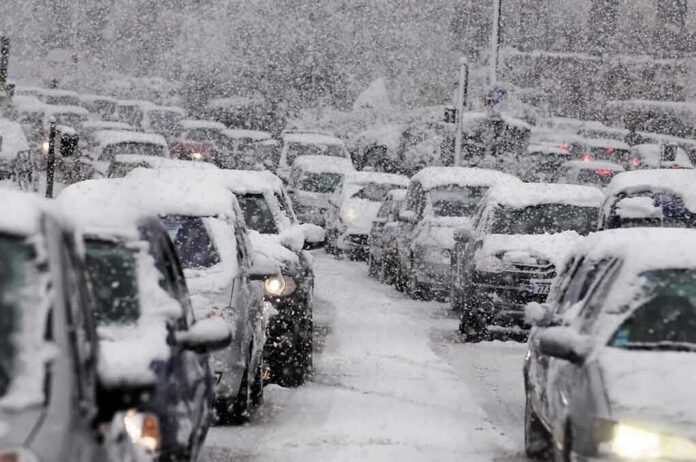
While the West drowns, the nation’s agricultural and transportation heartland faces its own weather nightmare. The Northern Plains and Midwest winter storm brings the deadly combination of heavy snow, high winds, and plummeting temperatures that creates whiteout conditions and strands motorists for hours. Rural highways become impassable, cutting off communities from emergency services and essential supplies.
This storm follows what meteorologists called the “biggest December snowstorm in years” in parts of the central Appalachians and Mid-Atlantic, creating a dangerous pattern of consecutive severe weather events. Blizzard warnings extend across multiple states, with wind gusts exceeding 45 mph turning falling snow into horizontal walls of white that eliminate visibility for drivers and emergency responders alike.
Infrastructure Under Siege
The compound nature of these simultaneous weather disasters exposes critical vulnerabilities in American infrastructure. Major interstate systems that carry commerce across the continent face closure or severe restrictions just as the holiday shipping season peaks. Power grids strain under snow loads and high winds while utility crews struggle to reach downed lines in blizzard conditions.
Perhaps most concerning is the cascading effect of infrastructure failures. When power fails during blizzards, homes lose heat just as temperatures plunge into single digits. When highways close due to flooding or snow, emergency services cannot reach those who need help most. The 45 million Americans under various weather alerts represent not just individuals at risk, but entire regional economies and supply chains facing potential disruption. The convergence of severe weather across multiple climate zones simultaneously tests America’s resilience in ways that individual storms cannot.
Sources:
ABC News – 45 million Americans under alerts as new storms take aim
KVNU Talk – Video: 45 million Americans under alerts as new storms take aim
95.3 The Bee – Watch: 45 million Americans under alerts as new storms take aim
WCHS-TV – Weather Alert Friday for another widespread snow event