
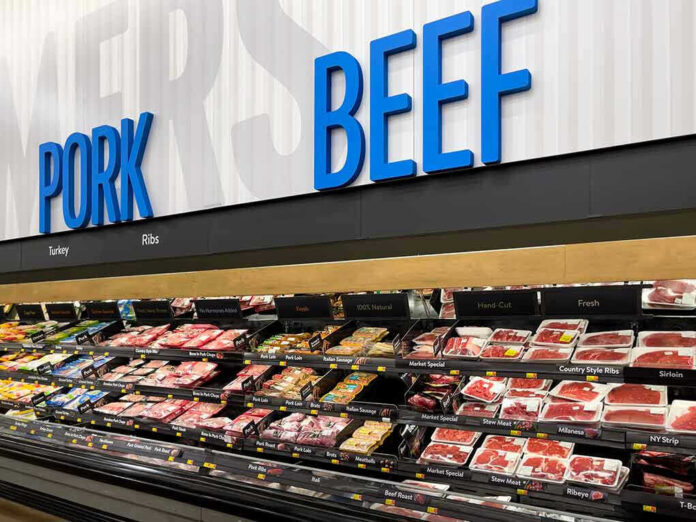
As venison emerges as a mainstream protein, its rise challenges the dominance of traditional red meats and highlights the importance of sustainable and healthy food options.
Story Overview
- Venison is gaining popularity as a sustainable and healthy protein alternative.
- The market value for venison is projected to grow significantly by 2033.
- Producers are innovating with new products to meet consumer demand.
- Challenges remain in consumer education and supply chain management.
Rising Demand for Venison
Venison is emerging as a preferred option for health-conscious and environmentally aware consumers. Its nutritional benefits, including a lean, high-protein, and low-fat profile, make it an attractive alternative to traditional red meats. The global market for venison is projected to grow steadily, with values between $1.43 billion to $1.81 billion in 2025 and continued growth expected through 2033. This shift is largely driven by consumer demand for healthier and more sustainable protein sources.
As consumers increasingly look for alternatives to beef and pork, venison producers like Silver Fern Farms Limited and First Light Foods are responding by expanding their product lines. Innovations such as ready-to-eat meals and value-added products are becoming more prevalent in grocery stores and gourmet markets. This expansion is supported by retailers eager to differentiate themselves with premium and sustainable offerings, aligning with consumer trends toward healthier lifestyle choices.
Challenges in the Venison Market
Despite its growing popularity, the venison market faces several challenges. One major hurdle is the need for consumer education on the preparation and safety of venison, as it transitions from a niche to a mainstream product. Additionally, producers must navigate supply chain constraints, particularly those related to seasonality and production limitations. Ensuring consistent quality and availability will be crucial for sustaining market growth and consumer trust in venison as a reliable protein source.
Regulatory frameworks also play a significant role in shaping the venison market. Authorities are focused on maintaining ethical sourcing and rigorous food safety standards, which are essential for consumer confidence. As the industry expands, these regulations will need to adapt to ensure sustainability and ethical practices remain at the forefront.
Potential Impacts and Future Outlook
In the long term, venison could significantly influence dietary patterns and the broader food industry. As it becomes more widely accepted, venison is likely to impact the beef and pork markets, pushing them to innovate and adapt to changing consumer preferences. This shift could lead to increased competition among alternative protein sources, further driving the need for sustainable practices and consumer education.
While venison has the potential to transform the protein market, scaling production sustainably remains a key concern. Producers must balance growth with environmental and ethical considerations to ensure the long-term success of venison as a mainstream protein. As more consumers embrace this alternative, the industry will need to continue innovating and addressing these challenges to maintain momentum.
Sources:
Market Report Analytics: Fresh Venison
Archive Market Research: Fresh Venison
Future Data Stats: Venison Meat Market
Business Research Insights: Venison Market