One devastating act shattered centuries of reverence in Vatican City, leaving hundreds speechless as the holiest altar in Catholicism became the stage for a desecration few thought possible.
Story Snapshot
- A man urinated on the Altar of Confession at St. Peter’s Basilica during Holy Mass, stunning worshippers and clergy.
- The incident was witnessed by hundreds and quickly circulated online, igniting global outrage and debate.
- Security intervened swiftly, but Vatican officials have remained silent, fueling speculation over motive and response.
- This act follows a troubling series of altar desecrations, raising questions about security and societal unrest at sacred sites.
Desecration in Broad Daylight: Anatomy of the Incident
The heart of Catholic worship was upended. As the 9 a.m. Holy Mass commenced inside St. Peter’s Basilica, a man broke from the crowd, scaled the iconic Altar of Confession—reserved for the pope’s most solemn rites—and urinated on its sacred stones. Hundreds of worshippers and tourists watched in stunned disbelief, their prayers interrupted by an act as profane as it was public. Security officers responded within moments, removing the man and restoring order, but the damage was already done, captured on video and destined to ricochet across the globe.
Media outlets scrambled to report the details, but as of October 12, Vatican authorities had not issued an official statement. The perpetrator’s identity and motives remain unknown, leaving observers to speculate: was this protest, a mental health crisis, or something else entirely? The incident’s timing—amid a packed basilica during Mass—underscored the vulnerability of even the most fortified religious sites. Questions swirled about the effectiveness of Vatican security and the broader implications for safeguarding sacred spaces.
St. Peter’s Basilica: Sacredness Under Siege
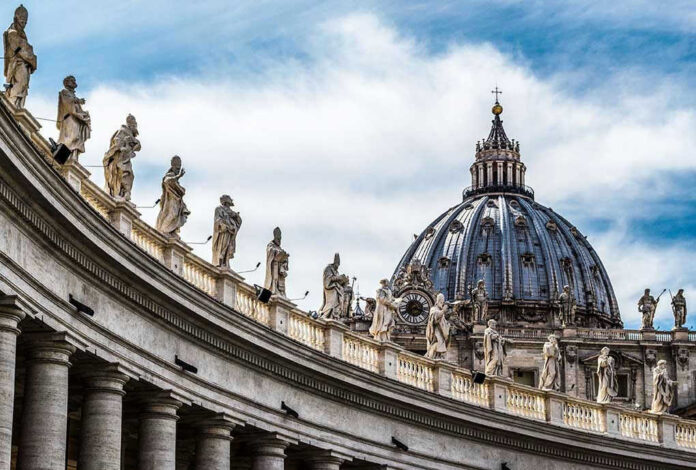
The Altar of Confession is more than just stone and marble; it rises above the tomb of St. Peter, anchoring the faith of millions who travel from every continent to kneel before its grandeur. Its desecration is a symbolic wound, cutting to the core of Catholic identity and tradition. This is not the first time the basilica has been targeted. In February 2025, a man hurled candelabras from the altar, and in June 2023, a Polish protester stripped and climbed the altar to display a message about Ukraine. Each episode has intensified calls for enhanced security, but the open nature of St. Peter’s—meant to welcome pilgrims—creates an inherent challenge. The basilica’s custodians now face renewed pressure to balance accessibility with protection, knowing every Mass could become the next viral news cycle.
VATICAN CITY—CONFIRMED that a man desecrated the Papal Altar of St Peter’s Basilica, at 9:30AM yesterday morning, by urinating on it in the presence of hundreds of pilgrims.
Holy Mass was being celebrated, at the time, at the Altar of the Chair.
— Bree A Dail (@breeadail) October 11, 2025
Security experts and church historians agree: the symbolism of violating the Altar of Confession cannot be overstated. Its centrality to papal liturgies means any attack reverberates far beyond Vatican City, shaking the faith and confidence of Catholics worldwide. Yet, the Vatican’s response has been measured, even silent—perhaps strategically so, as frantic speculation fills the vacuum.
Motives, Reaction, and the Ripple Effect
Official silence has only intensified scrutiny. Was this an act of protest, a symptom of mental illness, or unintended chaos sparked by societal unrest? Some commentators link the incident to migration and broader European tensions, but no evidence supports this claim. Others urge compassion, highlighting the need for mental health resources. The Vatican City State wields sovereign authority, but its decision-makers—including the Holy See Press Office and senior clergy—have kept their counsel, leaving the laity and global observers to grapple with uncertainty.
The immediate impact is clear: shock, outrage, and a sense of vulnerability among Catholics and tourists. In the long term, the altar’s desecration may trigger stricter security protocols and restricted public access. Some fear irreparable damage to the basilica’s spirit, while others see an opportunity for reflection and renewal. The economic effects—possible declines in tourism and increased security costs—are secondary to the social debate raging about respect, sanctuary, and the boundaries of protest. This episode has reignited global conversations about safeguarding religious heritage and the delicate balance between openness and protection.