
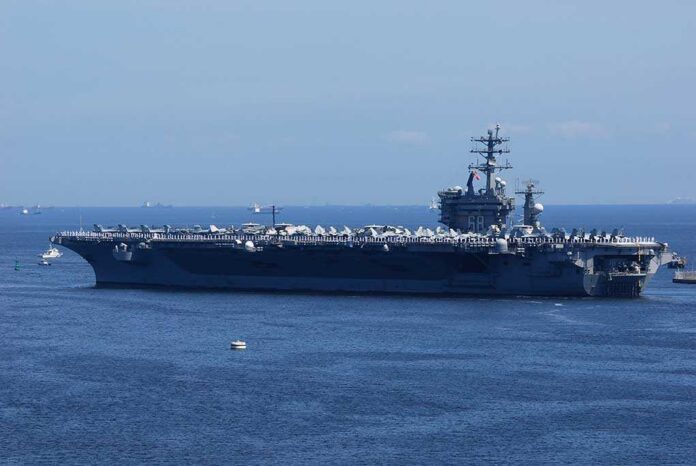
The Navy is not scrapping these cruisers because they are weak. It is scrapping them because age, cracks, and rising repair bills have made them a bad bet, even after years of expensive attempts to keep them alive.
Quick Take
- The Ticonderoga-class cruiser was once the Navy’s heavy hitter, built around a powerful Aegis combat system and 122 vertical launch system cells.
- The Navy says the class is now too old, too costly, and too unreliable to justify more deep repairs.[1][10]
- Congress has repeatedly pushed back, arguing that retiring the cruisers too fast could create a dangerous gap in fleet air defense.[11][12]
- The fight is bigger than one ship class. It shows the long-running clash between Navy planning and congressional control over fleet size and spending.[17][20]
Why the Navy Wants Them Gone
The Navy’s case starts with age. It says the cruisers are, on average, at least 35 years old and are deteriorating. The service has also pointed to cracking, other structural problems, and legacy sensor and engineering issues that drag down readiness and raise repair risk.[1][10] That is the plain-language answer behind a decision that looks shocking only if you ignore how punishing old warships become once they pass their design life.
The money trail matters just as much. The Navy has said cruiser modernization costs grew 90 percent to 200 percent above early estimates, and it judged the return on investment too poor to keep pouring cash into the class.[1] Officials also framed the move as a way to shift money toward higher-priority capability and capacity. In conservative terms, this is the classic case for stopping bad spending before it becomes a permanent habit.
What Made the Cruiser Fight So Bitter
The Ticonderoga-class was not built as a throwaway ship. These cruisers were the fleet’s air-defense command posts, and they carried far more firepower than most destroyers. That is why their retirement has sparked such pushback in Washington. Lawmakers have repeatedly tried to block or slow decommissionings, including efforts to save the cruiser USS Vicksburg and other ships from the Navy’s retirement list.[11][12]
Congress did not just complain from the sidelines. It directly constrained the Navy’s timetable, forcing some ships to stay in service longer than the service wanted.[11][12] That matters because the Navy has argued for years that the class was becoming a poor investment. Congress, by contrast, kept seeing useful hulls, useful missiles, and too few replacements ready in time. Both sides were talking past each other, and taxpayers paid for the argument.
The Hidden Cost of Trying to Save a Dying Fleet
The cruel twist is that “saving” these ships often meant spending serious money on ships that still could not offer much life left. Navy reporting and analysis say the service poured billions into modernization work, only to find some cruisers still headed for retirement before they could fully return to service.[2][12] That is not just a naval problem. It is a lesson in how sunk costs can trap even smart institutions into chasing one more round of repairs.
Still, the other side has a point worth taking seriously. Critics say the Navy’s retirement push came while the surface fleet faced real strain and while replacements lagged behind. They argue that the cruisers still filled an important role in air defense and carrier strike group command.[8][12] That concern is not fantasy. In a world of missile threats and thin margins, every serious warship matters. The hard question is whether an old cruiser still matters enough to justify its price.
Why This Story Keeps Coming Back
This is not a one-time Navy drama. It is part of a repeated pattern where the service wants to retire aging platforms, and Congress fights to keep them around.[17][20] The same basic script has played out with other troubled ships: the Navy says the return on investment is gone, while lawmakers worry about shrinking force size too fast. That tension is baked into American defense planning, and it rarely ends cleanly.
The deeper issue is brutally simple. A ship can still be impressive and still be past its economic life. That is what makes the Ticonderoga fight so telling. These cruisers were once among the most heavily armed warships ever built. Now they sit at the point where power, age, and cost collide, and the bill for pretending otherwise has become too large to ignore.[1][10]
Sources:
[1] Web – The U.S. Navy Is Scrapping the Most Heavily Armed Warships It Ever …
[2] Web – Navy Plans To Rid Itself Of Cruisers In Just Five Years – The War Zone
[8] Web – US Navy Ticonderoga Class Cruisers – Facebook
[10] YouTube – The Ticonderoga Class Dilemma: Too Costly to Save …
[11] Web – U.S. Navy’s CNO Explains the Reasons for Retiring Older …
[12] Web – House panel aims to save five ships from retirement, rejecting …
[17] YouTube – How Navy Spent $1.84 Billions to Retire Four Ships
[20] Web – Why are ships retired so early? – Reddit
© integritytimes.com 2026. All rights reserved.