
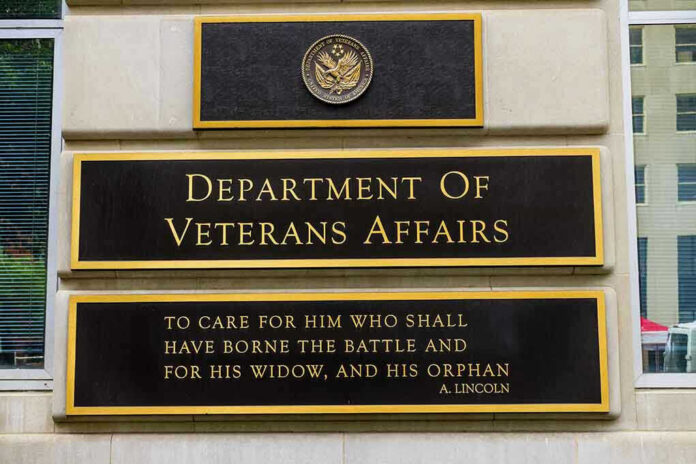
An 87-year-old Army veteran battling stage 4 cancer and dementia discovered that a single paperwork error from the VA could slam the door shut on benefits he desperately needed—and it had nothing to do with income at all.
Story Snapshot
- Randolph Knight received a temporary 100% disability rating in August 2024, then an erroneous permanent rating letter in December 2025
- The VA’s classification error blocked access to Tennessee property tax relief and created confusion about benefit eligibility
- Media attention triggered an expedited VA review that finalized a permanent 100% rating by March 31, 2026
- Despite the headline suggesting income barriers, the real culprit was bureaucratic misclassification of disability rating permanence
When Cancer Meets Bureaucracy
Randolph Knight’s case exposes a troubling vulnerability in the VA system: the distinction between temporary and permanent disability ratings. While veterans with active lung cancer typically receive 100% disability ratings—the highest classification available—the VA can designate these ratings as temporary because cancer is considered a condition that might improve. This technicality created a cascading problem for Knight’s family, who attempted to secure Tennessee property tax relief using what they believed was a permanent rating letter sent in December 2025. The letter turned out to be an administrative error, leaving them trapped between conflicting federal documents and state requirements.
The Income Red Herring
The story’s framing suggests Knight made too much money for VA benefits, but the facts reveal a different reality. VA pension benefits do have income thresholds—net worth must stay under $159,240 as of 2025—but Knight’s primary issue wasn’t financial qualification. His temporary 100% disability rating entitled him to maximum monthly payments of $3,831.30 for single veterans, money he received throughout the dispute. The real barrier emerged when his family tried leveraging the erroneous permanent rating letter for state-level property tax relief. VA spokesperson Pete Kasperowicz later confirmed the December letter “had no effect on his ability to receive VA benefits,” though this explanation offered little comfort to a family navigating dementia care and terminal illness.
Seven Days That Changed Everything
Knight’s family requested a status update on March 23, 2026, triggering what became an unusually swift bureaucratic response. The VA launched an expedited review incorporating new evidence, finalized the evaluation by March 30, and confirmed a permanent 100% disability rating effective March 23. This seven-day turnaround stands in stark contrast to typical VA processing times, raising questions about whether similar cases receive equal attention without media scrutiny. News Channel 5’s investigative reporting appears to have been the catalyst that accelerated resolution, demonstrating both the power of journalism and the troubling implication that veterans without media advocates might languish in administrative purgatory.
What Permanent Really Means
The difference between temporary and permanent disability ratings extends far beyond semantics. Permanent ratings unlock access to additional support programs and provide documentation required for state-level benefits like property tax relief. Veterans benefits experts noted that the VA’s treatment of cancer as potentially improvable—even stage 4 cancer in an 87-year-old—reflects policy classifications that seem disconnected from medical reality. While the VA maintains this approach follows federal law, the practical effect forces terminally ill veterans into periodic reviews and creates eligibility gaps for complementary benefits administered by state and local governments.
The Broader Implications
Knight’s experience illuminates systemic issues affecting thousands of veterans navigating the intersection of federal VA benefits and state support programs. The VA’s acknowledgment of the December 2025 letter error raises accountability questions: How many other veterans received incorrect correspondence? What safeguards prevent classification errors from disrupting benefit access? The expedited review process that resolved Knight’s case establishes a precedent, but shouldn’t every veteran with terminal illness receive the same urgent attention? These questions matter because the answers affect real families making impossible decisions about medical care and financial survival while bureaucrats parse the difference between temporary and permanent classifications.
Veteran with stage 4 cancer says VA denied benefits due to income >> https://t.co/pPDkezsSrL pic.twitter.com/1bBQyx9Uyz
— FOX19 NOW (@FOX19) April 20, 2026
The resolution brings Knight’s permanent 100% rating, potentially opening doors to Tennessee property tax relief and other state benefits previously blocked by the classification error. Yet uncertainty remains about final eligibility determinations, and the family’s months-long struggle highlights how easily veterans can become trapped between federal and state administrative requirements. This case proves that serving your country earns you benefits on paper, but accessing them requires navigating a bureaucratic maze that seems designed to exhaust even the most determined advocates—especially when fighting for someone with dementia who can’t fight for himself.
Sources:
87-year-old veteran with cancer denied VA benefits after paperwork error
Veterans VA Benefits – Lung Cancer Group
VA makes several cancers presumptive for service connection
Evidence to support VA pension, DIC, or accrued benefits claims