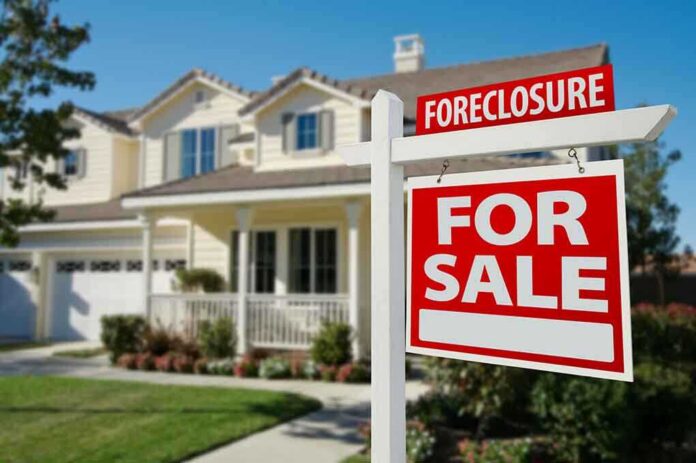
Miami has been crowned the world’s most dangerous real estate bubble by global banking giant UBS, surpassing even notorious markets like Tokyo and Zurich in a devastating assessment that should alarm every American concerned about economic stability.
Story Highlights
- UBS officially names Miami as the world’s highest real estate bubble risk in 2025
- Miami’s price-to-rent ratio is more detached from reality than during the catastrophic 2006 housing bubble
- Regulatory overreach and environmental insurance costs are forcing homeowners to sell under pressure
- Negative price growth expected in coming quarters despite continued luxury demand
UBS Sounds Global Warning on Miami Market Collapse
The Union Bank of Switzerland released its 2025 Global Real Estate Bubble Index in September, delivering a shocking verdict that Miami leads the world in housing bubble vulnerability. The comprehensive analysis examined major global cities and found Miami’s market fundamentals more precarious than any other metropolitan area worldwide. UBS economists warn that while an immediate crash remains unlikely due to embedded equity and sustained demand, negative price growth appears inevitable in the coming quarters.
Regulatory Burden and Environmental Costs Drive Market Instability
Miami’s unique crisis stems from a perfect storm of government overreach and environmental factors that conservative Americans have long predicted would damage property rights. Recent regulatory changes have forced condo owners to address costly deferred maintenance requirements, creating an unfair financial burden on property owners. Additionally, hurricane and sea-level rise insurance premiums have skyrocketed, adding significant selling pressure as homeowners struggle with escalating costs beyond their control.
Price Distortions Exceed Historical Bubble Levels
The most alarming finding reveals Miami’s price-to-income and price-to-rent ratios have become more detached from economic reality than during the devastating 2006 housing bubble that triggered nationwide financial chaos. Post-pandemic migration from high-tax states like California and New York initially drove demand and prices upward, creating what appeared to be organic growth. However, this migration pattern combined with loosened lending standards has created unsustainable market conditions that threaten both longtime residents and recent investors.
Housing inventory has rebounded to near pre-pandemic levels, signaling that the artificial scarcity driving price increases may be ending. International buyers, particularly from Latin America, continue supporting the luxury segment, but this foreign dependence creates additional vulnerability to external economic shocks. Local residents face increasingly impossible affordability challenges as wages fail to keep pace with housing costs inflated by regulatory compliance expenses.
Economic Storm Clouds Gathering for American Homeowners
This Miami bubble represents broader concerns about government interference in housing markets and the dangerous precedent of environmental regulations driving up costs for ordinary Americans. The combination of regulatory compliance costs, insurance premium increases, and market overvaluation creates a textbook example of how government policies can destabilize what should be free market dynamics. Property owners who invested in Miami expecting traditional market behavior now face unprecedented pressures that threaten their financial security and property rights.
UBS has named this coastal US city the world’s most vulnerable real estate bubble https://t.co/G9FmnseL51 pic.twitter.com/MvEFKktJkv
— New York Post (@nypost) September 29, 2025
The implications extend beyond Miami as similar regulatory and environmental pressures emerge in other coastal markets. Americans who value property rights and limited government should view this situation as a warning about the long-term consequences of excessive regulation and the vulnerability created when markets depend too heavily on international investment rather than domestic economic fundamentals.
Sources:
Major World Bank Warns Miami’s Real Estate Market Is About to Crash
UBS Global Real Estate Bubble Index 2025
Miami Tops Global Real Estate Bubble Risk But US Cities Show Diverging Trends
UBS Global Real Estate Bubble Index