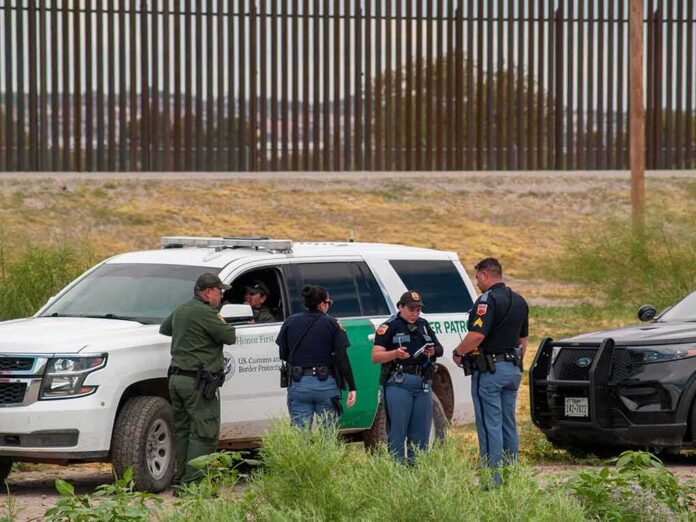
Trump moved to lock the border debate in law by urging Congress to pass a “No Invasion of Our Country Act,” vowing no future president could “open the border again.”
Story Snapshot
- Trump announced the plan at the Republican midterm convention in Dallas.
- The proposal aims to bar future administrations from undoing current border restrictions.
- The White House has already invoked “invasion” framing in recent immigration actions.
- Critics argue border power sits with Congress, not the president.
Trump’s promise: lock the door and throw away the key
President Trump told a Dallas crowd that Republicans would pass a “No Invasion of Our Country Act” to make it “legally impossible” for a future president to “open the border again.” The line was not a throwaway applause line; it was a pledge to entrench his current border approach in statute. The New York Post reported the push, and conservative outlets amplified the quote from the convention floor. The schedule put Trump and Vice President JD Vance at center stage.
The core claim is simple: elections should not flip the border from firm to porous with a stroke of a pen. Trump’s team has framed that seesaw as a national security risk. The White House has already used the word “invasion” to justify tougher entry limits and tougher prosecution priorities. That language appeared in early 2025 presidential actions that leaned on long-standing immigration laws to restrict entry and direct prosecution focus at the southern border.
What “future-proofing” actually means in law
Congress owns immigration law. The Constitution and Supreme Court precedent give Congress primary power to set who may enter, under what terms, and with what consequences. Presidents enforce those laws, and they do have broad discretion in how to carry them out. That is why one administration can tighten asylum screenings while another loosens them. A law that narrows that swing would aim to reduce executive wiggle room, not erase Congress’s role.
Supporters view this as common sense: set bright lines so a later White House cannot undo border restrictions overnight. They argue drug cartels and traffickers adapt quickly, so policy whiplash invites more crossings. The Dallas pledge signals a strategy to codify policies that had lived in executive actions, which courts and successors can reverse more easily. Entrenching standards in statute would raise the legal bar for any future rollback and force real debate in Congress.
The fight lines: authority, process, and the “invasion” label
Opponents push back on process and language. They say immigration funding and big design choices belong to Congress and warn against giving the executive branch a blank check under emergency or invasion rhetoric. They point to past fights over national emergency declarations and spending moves that bypassed Congress. Their legal case highlights Article I power over the purse and cautions that “invasion” claims should not swallow normal lawmaking.
Civil liberties groups also resist the invasion label, calling it exaggerated and corrosive to due process. They argue that tough rhetoric can justify shortcuts that harm asylum seekers and lawful entrants. Policy analysts have also warned that “close the border” talk outruns what statutes allow, which focus on suspending the entry of certain classes of foreign nationals, not turning off the border wholesale. Those critics will target any bill text that tries to hard-code expansive executive triggers.
How a durable border law could be framed to last
Durability rests on clear text, clean limits, and real metrics. A serious bill would spell out what constitutes a border surge, who verifies it, and what temporary actions follow. It would outline time limits, reporting, and automatic sunsets unless Congress renews them. It would also set rules for detention, removal, and asylum processing that match current court rulings, reducing the chance a judge blocks the law on day one. That is how you trade a swinging door for a deadbolt.
"He pushed a 'No Invasion of Our Country Act' so no future president can reopen the border with a pen. Texas heard
it first." https://t.co/delOUbKWjD— Gene Van Shaar (@GeneVanShaar) September 10, 2026
Conservatives should judge any final text on three tests. First, does it strengthen Congress’s voice by writing rules that last beyond one term? Second, does it narrow executive freelancing by mapping what can and cannot be done without new votes? Third, does it set humane but firm procedures that the courts will uphold? If the answers are yes, this is not power grab theater; it is a reset toward stable, lawful control of the border.
Sources:
insiderpaper.com, nypost.com, townhall.com, congress.gov, federalregister.gov, whitehouse.gov, abcnews.com, dallasnews.com, cbsnews.com
© integritytimes.com 2026. All rights reserved.