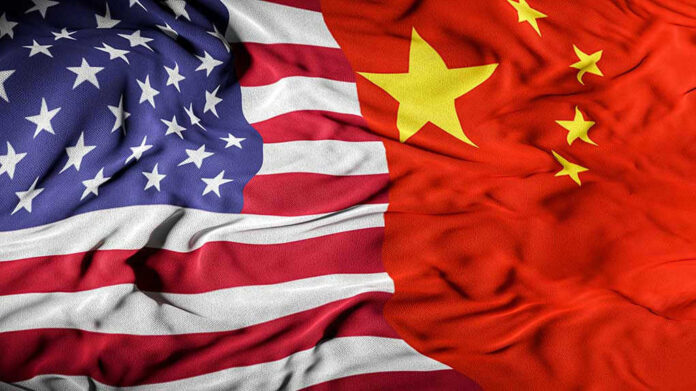
Hours before triple‑digit tariffs were set to snap back, President Trump extended the U.S.–China tariff truce 90 days—preserving leverage without spiking prices at home.
Story Snapshot
- Trump signed a 90‑day extension to the U.S.–China tariff pause, moving the deadline to November 9, 2025.
- U.S. tariffs stay at 30% instead of a potential 145% snapback; China’s planned hikes remain suspended.
- White House authority rests on a national emergency and reciprocal tariff framework under EO 14257.
- The pause stabilizes rare earth supplies while talks continue, but uncertainty returns before November.
What Changed: A Last‑Minute 90‑Day Extension
The White House confirmed a fresh 90‑day extension of the U.S.–China tariff truce signed just hours before expiration, pushing the new deadline to November 9, 2025. The move averts an immediate snapback to triple‑digit duties and keeps current U.S. tariff levels at 30% while negotiators keep talking. Multiple outlets reported the timing and scope, noting the goal of preventing sudden cost spikes for businesses and consumers while preserving negotiating leverage.
Axios’ synthesis underscores two practical effects of the pause: U.S. rates remain at 30% rather than a potential 145% snapback, and flows of critical rare earth minerals from China have resumed under the truce. Euronews corroborates the 90‑day extension and the triple‑digit snapback threshold risk that was avoided. AInvest specifies the new November 9 deadline and reports China’s planned tariff hikes, reportedly up to 125%, remain on hold while talks continue.
The Legal Backbone: Emergency Authorities And Reciprocity
The tariff architecture stems from Executive Order 14257, which framed persistent U.S. goods trade deficits as a national emergency and authorized reciprocal tariffs under IEEPA and the National Emergencies Act. A July 31, 2025 presidential action—“Further Modifying the Reciprocal Tariff Rates”—updated this framework, signaling a flexible posture that can ratchet pressure or extend relief as negotiations evolve. This legal foundation allows rapid action to defend American industry and maintain leverage without congressional delay.
White House materials emphasize national security, supply chain resilience, and reciprocity as core justifications for the framework. Supporters argue that keeping high potential snapback rates in reserve strengthens bargaining power against non‑market practices. Critics caution that brinkmanship can inject uncertainty into planning cycles. For manufacturers and defense‑adjacent supply chains, the truce reduces immediate risk of input shocks while preserving a deterrent against backsliding by Beijing.
Why It Matters To Families, Factories, And Freedom
Keeping tariffs at 30% instead of snapping back toward 145% avoids sudden price hikes for import‑reliant sectors and consumers. Businesses that rely on Chinese intermediate goods—electronics, autos, renewables—gain breathing room, and rare earth supplies crucial to advanced manufacturing and defense systems remain more predictable. Markets receive near‑term relief, even as companies hedge inventories and diversify suppliers in anticipation of the next deadline. Politically, the White House tempers inflation risk while retaining unilateral leverage.
Trump extends China tariff deadline for 90 days just hours before truce was set to expire: official https://t.co/eskW14z7GS pic.twitter.com/kkOwpC9HnB
— New York Post (@nypost) August 11, 2025
Limitations remain. Not all outlets quantify China’s suspended tariff level; AInvest reports 125% while mainstream coverage focuses more on U.S. rates. The full executive order text may lag publication; official White House posting will ultimately anchor the precise terms. Reports reference unresolved structural disputes and alleged energy‑purchase issues; formal readouts are needed to confirm conditions tied to future actions. Until structural fixes materialize, risk will resurface as November approaches.
What To Watch Between Now And November
Watch for publication of the new executive order text and any Federal Register details clarifying scope, exemptions, and triggers. Track bilateral negotiation schedules and whether readouts show movement on core issues. Monitor PRC signals on export controls, especially for rare earths, which could offset truce benefits. Expect firms to adjust contracts and inventory ahead of the deadline. If talks stall, tariff snapbacks and retaliatory measures could reprice China risk and reshape global supply chains.
Sources:
Trump extends China tariff truce to November 2025; 90-day extension signed hours before deadline
US President Donald Trump extends pause on China tariffs for another 90 days
U.S.–China tariff pause extended 90 days
Further Modifying the Reciprocal Tariff Rates