Vice President JD Vance’s single vote shielded President Trump’s bold raid capturing Venezuela’s dictator, exposing raw power plays that could redefine American military might.
Story Snapshot
- JD Vance breaks 50-50 Senate tie on January 14, 2026, killing war powers resolution against Venezuela actions.
- Trump pressures GOP senators Hawley and Young to flip votes after initial support for oversight.
- U.S. troops snag Nicolás Maduro in surprise raid, framed as law enforcement amid narco-terror charges.
- Administration assurances via Rubio and DOJ memo promise no ground troops or endless wars.
- Event tests GOP loyalty, balancing executive flexibility with constitutional checks.
Timeline of the Dramatic Senate Showdown
U.S. troops launched a nighttime raid in early January 2026, capturing Venezuelan President Nicolás Maduro. Labeled a law enforcement extradition, the operation targeted Maduro’s 2020 U.S. narco-terrorism indictment. Trump designated Venezuelan cartels as terrorists, justifying naval buildups and vessel strikes. Senate Democrats, led by Tim Kaine, invoked the 1973 War Powers Resolution demanding congressional approval for hostilities.
Kaine’s measure advanced last week with five Republicans crossing lines: Josh Hawley, Todd Young, Susan Collins, Lisa Murkowski, and Rand Paul. Trump fired back via social media and calls, naming dissenters. Secretary of State Marco Rubio delivered letters assuring no ground troops. DOJ released a memo confirming War Powers compliance. Hawley and Young reversed course.
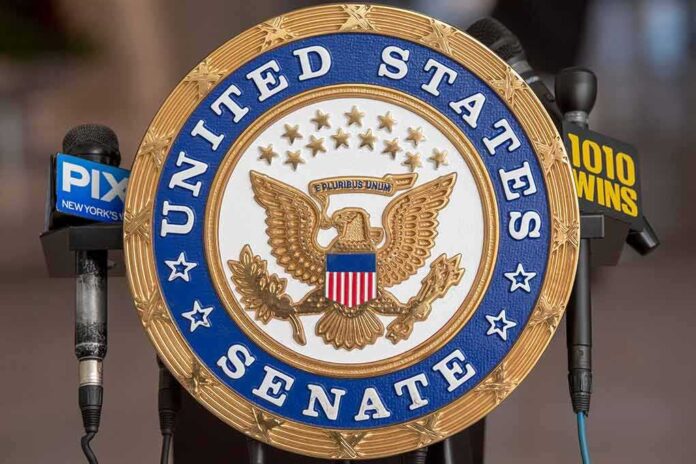
On January 14, the Senate deadlocked 50-50 on a motion to dismiss. Vance cast the tie-breaker, ending consideration. Senate Foreign Relations Chair Jim Risch called the resolution pointless, targeting non-existent hostilities.
Trump’s Unyielding Grip on GOP Senators
President Trump directly pressured Hawley and Young, who shifted after Rubio’s guarantees. Hawley said he took “yes for an answer” on troop limits. Trump hailed the Maduro capture as a “successful attack.” Senate Majority Leader John Thune framed dismissal as rejecting Democrat hysteria. Minority Leader Chuck Schumer accused Republicans of shirking responsibility.
Holdouts Collins, Murkowski, and Paul stuck to oversight votes. Paul decried a shift from counternarcotics to oil interests. Murkowski stressed Congress’s coequal role despite no current operations. Kaine secured hearing commitments but vowed more resolutions. Rubio pledged advance authorization for major moves.
Assurances and the Shadow of Future Conflicts
The administration’s 22-page DOJ memo, penned by Assistant AG Elliot Gaiser, ruled out sustained operations or constitutional war triggers. Redacted sections limit scrutiny, but it affirms no plans for escalation. Trump claimed the U.S. gets along “very well” with Venezuela post-raid. Maduro faces U.S. trial, weakening his regime.
This precedent bolsters executive leeway in hybrid ops blending law enforcement and military force. Common sense aligns with conservative values favoring strong presidential defense powers against threats like Maduro’s narco-state. Facts support assurances averting ground wars, though oil access whispers long-term motives. Senate rifts expose loyalty tests under Trump.
Short-term, debate ends; troops posture regionally without hostilities. Long-term, it risks unilateral leader raids, economic oil gains, and GOP fractures. Kaine’s push highlights valid oversight needs, but administration documents hold weight against Democrat fearmongering.
Sources:
Vance casts tiebreaking vote to kill Venezuela war powers resolution