
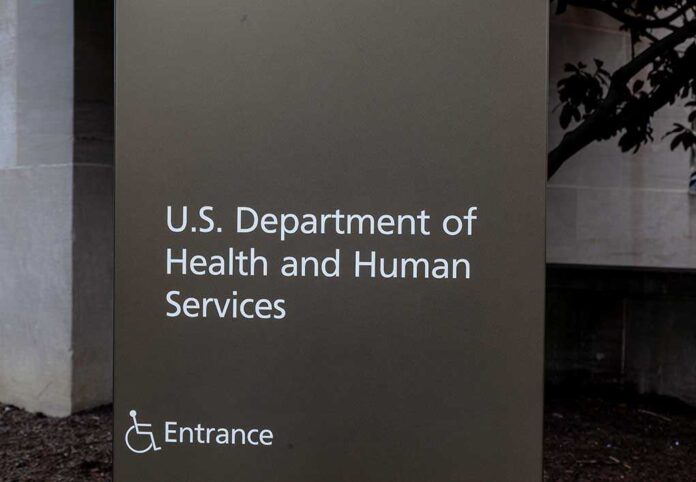
Robert F. Kennedy Jr. and Dr. Mehmet Oz are taking unprecedented steps to ban gender-affirming care for minors nationwide, sparking a polarizing debate on medical ethics and children’s rights.
Story Overview
- Federal regulations aim to cut off funding for gender-affirming care for minors.
- Key health figures like RFK Jr. and Dr. Oz are leading the initiative.
- New rules could create nationwide restrictions, overriding state laws.
- Potential legal challenges and social implications loom large.
Federal Intervention on a National Scale
The Trump administration, under the leadership of Health and Human Services Secretary Robert F. Kennedy Jr., is implementing regulations that aim to effectively ban or heavily restrict gender-affirming medical care for transgender minors. This move, involving the collaboration of top federal health officials like Dr. Mehmet Oz, seeks to cut off federal funding and impose stringent oversight, even in states where such care remains legal. The measures include prohibiting Medicare and Medicaid funding for hospitals that perform these procedures and reclassifying gender dysphoria in legal terms.
These federal actions represent the most sweeping intervention to date, taking precedence over state regulations and affecting nearly all hospitals participating in Medicare and Medicaid. By using funding conditions and redefining regulatory terms, the administration is bypassing traditional legislative routes to establish a de facto national standard that could halt gender-affirming interventions for minors.
Background and Policy Shifts
Gender-affirming care for minors, including puberty blockers and hormone therapy, has been endorsed by major medical associations as essential care for youth with gender dysphoria. However, since 2020, many conservative state legislatures have enacted bans or restrictions on such care. The Supreme Court’s recent decision to uphold Tennessee’s ban has emboldened federal moves to impose uniform restrictions across the country, aiming to close perceived loopholes in states that protect these rights.
The Trump administration’s approach leverages regulatory tools to redefine gender-affirming care as experimental and non-essential, affecting its coverage under federal health programs. This strategy reflects a broader social policy agenda aimed at reshaping federal health regulations in alignment with conservative values.
Stakeholders and Power Dynamics
RFK Jr. is at the forefront of this initiative, framing the measures as necessary for child protection. Supported by Dr. Oz, who oversees Medicare and Medicaid, and other key figures like Dr. Marty Makary of the FDA, the administration wields significant influence through its control over federal healthcare funding. This coalition has the power to enforce compliance by threatening the financial viability of hospitals that resist the new rules.
However, the impacted stakeholders include transgender minors and their families, who face the loss of critical medical care, and healthcare providers, who must navigate ethical dilemmas and potential financial losses. LGBTQ+ advocacy groups are expected to challenge these regulations as discriminatory, setting the stage for legal battles that could redefine transgender rights in healthcare.
Implications and Future Outlook
In the short term, hospitals are likely to suspend gender-affirming care for minors to avoid losing federal funding, leading to widespread disruption in access to necessary medical interventions. This could exacerbate mental health issues among affected youth, who may face increased stigma and vulnerability. Families might seek care out-of-state, incurring significant financial and emotional burdens.
Long-term, these federal actions could establish a new national standard that excludes gender-affirming care for minors from recognized medical practice. The ensuing legal battles could shape the future of transgender healthcare rights, potentially reaching the Supreme Court. The broader healthcare sector may see similar regulatory approaches applied to other contentious medical issues, challenging the balance between federal oversight and medical ethics.
Sources:
RFK Jr. announces moves to ban gender-affirming care for young people