In a tumultuous turn of events, Bulgaria’s Prime Minister Rosen Zhelyazkov has resigned amidst a wave of mass protests, shaking the very foundations of its political landscape.
Story Overview
- Bulgaria’s Prime Minister resigns after sustained anti-corruption protests
- The resignation followed the government’s unpopular budget proposal
- Gen Z activists played a pivotal role in the protest movement
- Upcoming eurozone entry adds complexity to the political transition
Political Upheaval in Bulgaria
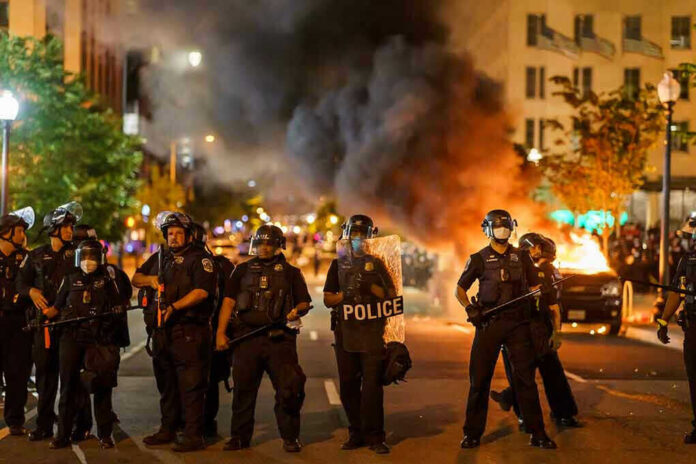
Rosen Zhelyazkov’s resignation marks a significant shift in Bulgaria’s political climate. He stepped down on December 11, 2025, after large-scale protests erupted against his government’s alleged corruption. The protests began in late November 2025, triggered by a controversial budget proposal that increased taxes on citizens. This unrest, compounded by Generation Z’s activism, forced a momentous political change in Bulgaria, a nation often plagued by corruption.
The protests, which drew a multigenerational crowd, were initially sparked by the announcement of the 2026 draft budget. This proposal aimed to raise individual contributions to pension and social security programs, effectively acting as a tax hike. The government’s response, initially a mere suspension of the budget, was insufficient for protesters who demanded a complete withdrawal and the resignation of the government.
Generation Z Takes the Helm
Generation Z played a crucial role in these protests, marking a new era of civic engagement in Bulgaria. Younger activists, like Ani Bodakova and Kaloyan Vasev, became symbols of the movement, representing a generational demand for systemic change and accountability. Their involvement was pivotal, not just in driving the protests but also in shaping public discourse around corruption and governance.
The protests were characterized by their scale and persistence, with participation from various sectors of society, including trade unions and employer organizations. These groups voiced concerns about the economic impacts of the proposed budget and joined the call for government accountability. As protests continued, the unity and determination of these diverse groups underscored a shared frustration with the status quo.
A Political Turning Point
The resignation of Prime Minister Zhelyazkov, though a victory for the protestors, leaves Bulgaria at a crossroads. The upcoming transition to the eurozone on January 1, 2026, adds another layer of complexity to the political landscape. While the resignation preempted a no-confidence vote, it also highlighted the fragile nature of the ruling coalition and the deep-seated issues within Bulgarian governance.
Bulgaria’s Prime Minister Resigns in the Face of Mass Protests https://t.co/SO3PF47kcP via @NYTimes
— Tosin Omole, CFA, FRM, CPA, CMA (@molecci) December 11, 2025
This political upheaval, while significant, raises questions about the future of Bulgaria’s anti-corruption efforts. Will this moment catalyze genuine reform, or will it merely cycle through another phase of political change without addressing systemic issues? The answer lies in the actions of Bulgaria’s next government and their commitment to transparency and reform.
The Road Ahead
As Bulgaria prepares for early elections, the focus now shifts to the potential formation of a new government. The successful protests have set a precedent for civic engagement, encouraging citizens to demand accountability from their leaders. However, the underlying structural corruption remains a formidable challenge.
The resignation alleviates immediate political tensions but creates uncertainty regarding policy continuity and fiscal direction. The eurozone transition, while providing a framework for economic stability, still faces hurdles due to the political disruption. In the long term, the true test will be whether new leadership can translate popular demands into meaningful anti-corruption reforms and restore public trust in governance.