The judge shut the door on a mistrial but slammed the brakes on religion in the courtroom.
Story Snapshot
- The judge denied a mistrial after religion entered testimony, but struck it from the record.
- Jurors were told the religious lines were irrelevant and not to be considered.
- The court found the witness had no expertise in Catholic teaching.
- Massachusetts law often favors strong instructions over starting a trial over.
The Ruling: No Mistrial, But A Hard Stop On Religion
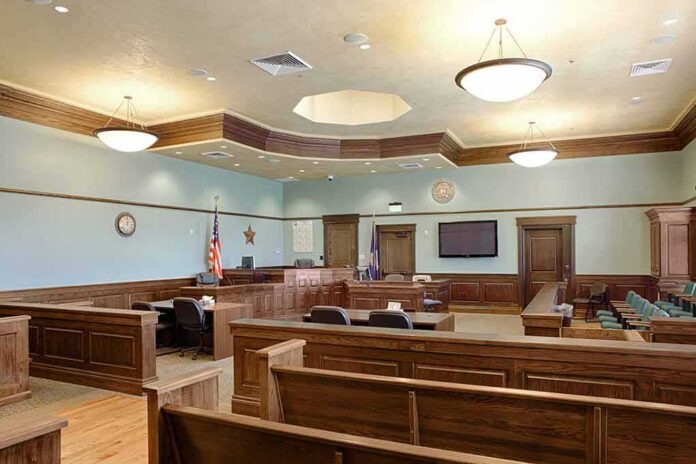
Judge William Sullivan rejected the defense mistrial motion after a witness discussed Catholic beliefs during the Lindsay Clancy trial. He reprimanded the prosecution, struck the religious references, and told jurors the remarks were “immaterial, irrelevant and to be disregarded” before dismissing them for the day. The court’s message was simple and firm. Religion would not decide this case. The jury would not weigh Catholic doctrine, the label of “mortal sin,” or any faith-based lens on guilt.
The judge also stressed that the witness lacked expertise in Catholic teaching, which undercut any claim that religious context had probative value. Expert opinions must stay in their lane. Theology is not psychology, and jurors must not treat one like the other. The court said the witness’s understanding of Catholic dogma is irrelevant to the legal questions in front of the jury, and ordered that testimony stricken from their consideration.
What Triggered The Fight Over Faith
Coverage shows religion surfaced as the prosecution examined a rebuttal expert and probed the defendant’s words and beliefs. Reports describe questions and testimony that linked Catholic ideas, like sin and heaven, to Clancy’s mindset and statements during the killings. The defense objected and moved for a mistrial on the spot. The judge responded by sending jurors home early and delivering a strong curative instruction when court reconvened.
The Commonwealth argued it did not intend to inject religion. It said the point was to explain the expert’s view on moral wrongfulness, not to inflame jurors with faith-based judgment. Prosecutors added that the judge’s clear instruction cured any possible prejudice. Under the law, juries are presumed to follow such directions. The court endorsed that path here, opting for repair over a reset.
Why Massachusetts Courts Usually Fix, Not Restart
Massachusetts precedent treats a mistrial as a last resort. Appellate cases say that when jurors hear something they should not hear, trial judges can fix the problem with a prompt strike and a clear instruction. If the exposure is brief and not repeated, the law says an instruction can be enough to protect fairness. That is what the judge chose: strike the testimony, warn the lawyers, and move on with a clean record.
This approach lines up with common sense and with conservative legal values. Trials should turn on facts and law, not on distractions. Judges should use the least drastic remedy that works. If a strong instruction can protect the jury from unfair bias, then the system avoids wasting weeks of work and taxpayers’ money. The judge’s forceful language showed he believed the line was crossed, and also that it could be corrected in place.
What Jurors Will—and Won’t—Weigh Now
Jurors will assess evidence of guilt and mental state without any religious scorecard. They were told to ignore references to Catholic doctrine and to treat the witness’s religious discussion as irrelevant. The court removed that material from the legal field of play. The message to the panel was as clear as a red light: do not use faith to measure intent or sanity in this case.
WATCH LIVE: Lindsay Clancy trial resumes for last testimony after prosecutors' forensic psychologist https://t.co/Czy4opTiY0
— PBS News (@NewsHour) August 25, 2026
The bigger lesson reaches beyond this trial. Courts must guard the line between faith and verdict. Religious beliefs can carry deep personal weight, but they can also bias a jury. When religion slips into testimony, judges must act fast. Here, the judge’s speed and strength likely spared the case from months of do-over. That protects both the defendant’s rights and the public’s trust that justice is blind to creed.
Sources:
youtube.com, cbsnews.com, boston25news.com
© integritytimes.com 2026. All rights reserved.