As the world’s attention is consumed by chaos at home, a deadly Ebola outbreak in Africa exposes the consequences of globalist neglect and misplaced funding priorities that put Americans’ security—and values—at risk.
Story Snapshot
- A new Ebola outbreak in Congo has killed at least 28 and is spreading rapidly as officials warn of severe funding shortages.
- The highly lethal Zaire ebolavirus strain is behind the outbreak, which threatens local healthcare workers and communities.
- Repeated international failures and underfunded responses highlight the dangers when U.S. resources are mismanaged abroad.
- Conservative critics argue that global health crises like this demand stronger borders, fiscal responsibility, and a focus on American interests first.
Ebola Crisis Exposes Dangers of Globalist Neglect
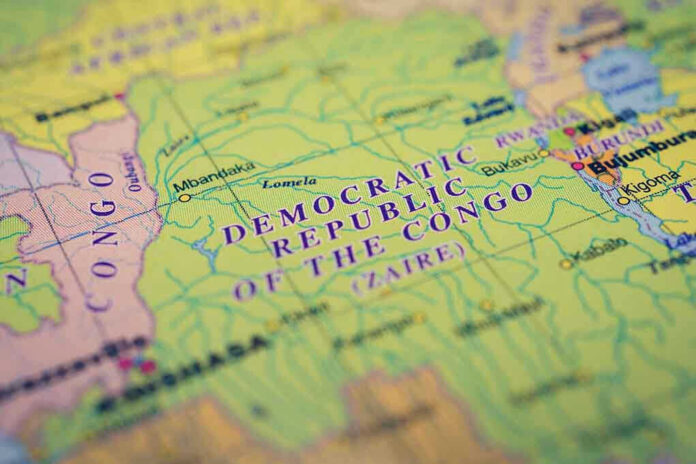
On September 4, 2025, Congo’s Ministry of Public Health declared a new Ebola outbreak in Kasai Province after laboratory confirmation of the deadly Zaire ebolavirus in dozens of patients. By mid-September, at least 81 cases and 28 deaths—many among healthcare workers—had been reported as the virus spread across multiple health zones. Despite the clear threat, health officials are sounding the alarm about insufficient funding, warning that containment efforts are faltering. The situation underscores the vulnerabilities that arise when international priorities ignore the basics of public safety and disease control, putting both local and global populations at risk.
Kasai Province, a remote region with limited infrastructure and a history of deadly Ebola outbreaks, is now the epicenter of this crisis. The area’s weak healthcare system, compounded by mass displacement from violence and instability, has made it a breeding ground for rapid viral transmission. Previous outbreaks in the region, including the catastrophic 2007 and 2008 events, illustrate a repeating pattern: when international aid is insufficient or mismanaged, local communities are left to fend for themselves. As the death toll rises, the need for effective border controls and targeted aid—rather than open-ended spending—becomes even more apparent.
Shortfalls in Funding Fuel Spread and Heighten Global Risk
Officials from the World Health Organization have called for emergency funding of $21 million to stop the outbreak’s advance. However, the response has been hampered by bureaucratic delays and a lack of international coordination. Health workers in Kasai are forced to operate with insufficient protective equipment, and efforts to trace contacts and isolate cases are undermined by population displacement. These failures are not isolated—they mirror the problems seen in past outbreaks, where vague global commitments and scattered priorities cost lives. The result is a crisis that threatens not just the Congo, but potentially the world, as disease does not respect borders.
For American families, the lesson is clear: global health threats are worsened by unfocused spending and porous borders. Under previous leftist administrations, billions were diverted to international projects with little accountability, fueling frustration among taxpayers and undermining faith in government competence. In the wake of the Biden era’s overspending and lack of results, conservatives are demanding a return to common sense—prioritizing security, fiscal discipline, and policies that protect American interests first.
Healthcare Workers and Local Communities Bear the Brunt
The current Ebola outbreak is especially deadly for frontline healthcare workers, who have suffered a disproportionate number of fatalities due to inadequate training and supplies. The loss of medical professionals further weakens already fragile healthcare systems, making it even harder to control the spread. Meanwhile, fear and stigma are eroding community cooperation, complicating efforts to trace contacts and deliver effective care. The economic and social impact is severe, as movement restrictions paralyze local economies and families are torn apart by illness and displacement. These cascading effects highlight why responsible, targeted aid—rather than blanket globalist policies—is essential for both humanitarian and strategic reasons.
Conservative analysts warn that the U.S. cannot afford to ignore such crises or allow bureaucratic inefficiency to dictate international response. The Biden administration’s legacy of mismanaged funds and misplaced priorities stands in stark contrast to the current administration’s push for stronger borders and a focus on American families. Protecting our nation means ensuring that resources are used wisely, both at home and abroad, and that American values—self-reliance, fiscal responsibility, and security—guide our engagement with the world.
Expert Calls for Urgent, Accountable Action
Leading experts from the World Health Organization and CDC are unequivocal: rapid, well-funded action is needed to prevent this Ebola outbreak from spiraling out of control. Genomic sequencing confirms that this is a new viral introduction, not a continuation of previous outbreaks, raising the stakes for containment. The risk to the region—and to the world—will only grow if decisive steps are not taken. For conservatives, the message is simple: border security, efficient use of taxpayer dollars, and a return to American leadership are not just matters of ideology, but of life and death. As global crises mount, it is more important than ever to put American interests—and American values—first.
As a deadly new Ebola outbreak kills dozens in southern Congo, health authorities and organizations are sounding the alarm #APInternational https://t.co/8C5nlHsAIJ
— KTVE – KARD (@MyArkLaMiss) September 25, 2025
Unless policymakers learn from the failures of the past and prioritize strong, effective action, outbreaks like this will continue to threaten not only distant nations but the safety and prosperity of Americans at home. The time for accountability, security, and principled leadership is now.
Sources:
2025 Kasai Province Ebola outbreak – Wikipedia
Ebola virus disease – Democratic Republic of the Congo – WHO Disease Outbreak News
CDC Health Alert Network – Ebola Outbreak in DRC, 2025
Nature: Deadly new Ebola outbreak in DRC – why experts are worried