A single dinner break turned a routine budget hearing into a viral stress test for public trust.
Quick Take
- Washington House Majority Leader Joe Fitzgibbon admitted he drank alcohol before the House Appropriations Committee finished work, then appeared impaired on camera.
- The moment mattered because Appropriations handles the state operating budget, where clarity and stamina aren’t optional.
- Fitzgibbon called it a “serious mistake” and promised to complete the session without alcohol, while leadership backed him personally but underscored professionalism.
- The real fallout isn’t just embarrassment; it’s how voters judge accountability when the evidence sits in an official public video archive.
The clip that changed the story from rumor to record
Olympia runs on procedure, but this episode ran on video. During a February 26 House Appropriations Committee meeting that started around 4:00 p.m., members broke for dinner and returned around 7:00 p.m. Footage later showed Majority Leader Joe Fitzgibbon slumping in his chair, leaving and re-entering, and delivering remarks with slurred speech during operating budget work. That visual record made the controversy unusually concrete.
Fitzgibbon issued a public apology the next day, acknowledging he consumed alcohol before committee work concluded and saying he was impaired. He described the decision as a “serious mistake,” and he framed it as a painful, embarrassing lesson he would not repeat. The statement mattered because it removed the usual political escape hatches: no “taken out of context,” no “edited clip,” no “misunderstanding.” It was an admission against interest, in plain terms.
Why Appropriations doesn’t forgive foggy thinking
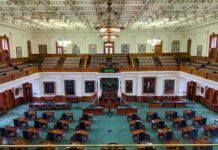
The Appropriations Committee is where the state’s operating budget gets argued line by line, and the work often stretches into late hours. That grind is precisely why sobriety and alertness become job requirements, not lifestyle choices. A regular member stumbling through remarks is bad. A majority leader doing it is worse because leadership sets tempo, signals priorities, and models seriousness. When the room’s supposed adult looks checked out, the institution looks unserious.
Fitzgibbon’s prominence amplified the moment. He represents the 34th District around West Seattle, Burien, and Vashon Island, has served in the House since 2010, and has held the majority leader role for roughly three years. Reports also highlighted his strong prior election performance and his filing for re-election in 2026. Long tenure usually buys benefit of the doubt; in a leadership slot, it also raises the standard. Experience should reduce rookie mistakes, not document them.
The apology, the backing, and the accountability gap
His apology did two things at once: it accepted blame and tried to limit the blast radius. He said he was disappointed in himself and committed to completing the session without alcohol. House Democratic leadership, including Speaker Laurie Jinkins, expressed support while emphasizing professional expectations. That blend is politically understandable: voters often want both humanity and boundaries. The missing piece, at least in the public reporting so far, is any clear disciplinary track.
Republican Rep. Ed Orcutt voiced disappointment, focusing less on personal failure and more on the practical consequence: impaired advocacy means constituents don’t get represented at full strength. That critique aligns with common sense and conservative values about duty, competence, and stewardship. People don’t hire a contractor who shows up buzzed to pour a foundation; they shouldn’t accept lawmakers who can’t stay sharp while deciding how billions get spent. The core question becomes simple: what happens next?
What the public still doesn’t know—and why it matters
Reporting left key details unanswered: how much alcohol, what exactly happened during the dinner break, and whether anyone intervened before he spoke on the budget. That uncertainty creates space for partisan storytelling, which is exactly what institutions should avoid. When leaders don’t fill factual gaps quickly, narratives harden without them. If the public is asked to accept an apology, it’s reasonable to expect a basic accounting of safeguards going forward.
This is also a systems story, not only a personal one. Legislatures normalize late nights, long hearings, and thin staffing, and those conditions can tempt bad coping habits. That context doesn’t excuse drinking before work concludes; it explains why clear rules and cultural enforcement matter. The easiest reform is the most boring: bright lines about alcohol during official duties, and leadership willing to impose consequences that don’t depend on party label.
The bigger lesson: politics now runs on receipts
The most consequential detail is that the incident lived on an official public archive, not a grainy cellphone recording. That changes incentives. Voters over 40 have watched public life shift from “he said, she said” to “press play.” In that environment, trust isn’t rebuilt with a carefully worded statement alone; it’s rebuilt with visible follow-through. If no ethics review or formal step appears, many taxpayers will assume the system protects insiders.
WATCH: Democratic Lawmaker Apologizes for Being Intoxicated During Hearing | The Gateway Pundit | by Bryan Chai, The Western Journal https://t.co/eESvyAazzX
— Sebert (@Sebert1798) March 1, 2026
Fitzgibbon may well move past this politically, especially in a district that has supported him strongly. The institution, though, can’t afford the public impression that budget work happens in a haze. Government asks citizens to pay up, comply, and wait their turn; citizens get to demand that lawmakers show up clear-eyed. The open loop is still hanging: will this become a one-time humiliation with a hard behavioral change, or a shrugged-off scandal that teaches the wrong lesson?
Sources:
Rep. Joe Fitzgibbon apologizes for drinking alcohol before committee work concluded
Dem Washington House majority leader apologizes for being impaired during budget hearing
State House Majority Leader Joe Fitzgibbon of West Seattle admits being drunk on the job