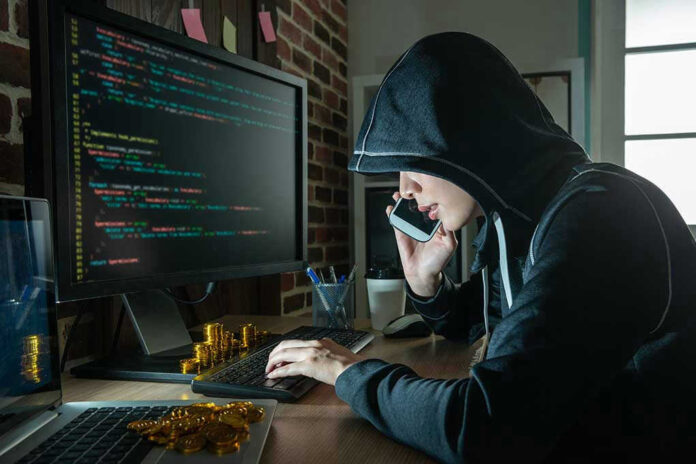
It only takes one well-crafted fake email and a “helpful” phone call for even the savviest person to hand their digital life to a scammer—so why do callback phishing scams work so easily, and can anyone truly outsmart them?
At a Glance
- Callback phishing attacks have surged 140% and now account for 16% of all phishing attempts
- Scammers blend fake emails and real phone calls, impersonating trusted brands to bypass security and prey on human nature
- Automated call centers now handle high-volume attacks, making scams more convincing and scalable
- Top cybersecurity firms say only a mix of tech safeguards and relentless user education truly helps
Why Callback Phishing Scams Work So Well on All of Us
Imagine you get an email from what looks like Microsoft, PayPal, or even Geek Squad. The subject line screams “URGENT: Account Suspension Imminent.” You open it, and—surprise—there are no dodgy links, no weird attachments, just a phone number and a stern warning to call immediately. You’re busy, maybe stressed, and you don’t want your Netflix to go down tonight. You call. A pleasant voice at the other end “verifies” your info or walks you through installing “security software” (read: malware). Sound familiar? You’re not alone: these callback phishing scams are designed to hit us where we’re weakest—our trust in authority and our desire to fix things fast. Between July and September last year, these attacks surged by 140%, outpacing every other phishing flavor. In Q1 2025, nearly one in five phishing attacks used this method, while old-school link-based scams are slipping out of fashion faster than last year’s TikTok dance.
So what’s making this new breed of scam so wildly effective? First, cybercriminals have figured out that humans—not computers—are now the weak link. With email filters blocking sketchy links and attachments, scammers simply dropped them. Instead, they use PDFs, SVG images, or even QR codes that sail past security systems and nudge you to call an “official” number. When you do, you’re not greeted by a lone scammer with a suspicious accent but by a professional-sounding operator in a bustling call center, possibly powered by AI. This isn’t your uncle’s Nigerian prince. These operations are run at scale, often targeting small businesses and critical sectors like healthcare and finance, where a momentary lapse can cost millions or endanger lives.
Who’s Behind the Curtain—and Who’s Getting Fooled
Cybercriminal groups, some using automated call centers, are the puppet masters of this digital theater. They impersonate heavy-hitter brands—think Microsoft, DocuSign, PayPal, Adobe, Norton LifeLock—because we’re conditioned to trust them. Their goal isn’t just to trick you out of a password. They want data, money, and sometimes a foothold to launch ransomware or steal sensitive corporate secrets. The victims? Pretty much anyone with an inbox and a phone, but especially small and mid-sized businesses and industries swimming in valuable data.
Impersonated companies suffer too. Every spoofed email chips away at their reputation and floods their customer support lines with panicked callers. Cybersecurity firms like VIPRE, Trustwave, and Proofpoint have become the new knights in shining armor, but even they agree: technology alone isn’t enough. Attackers keep adapting, and as soon as one door closes, they slide through the next open window. Meanwhile, regulators and IT leaders hustle to update standards, but the bad guys are always a step ahead, fueled by financial motives and the thrill of bypassing our best defenses.
The Real Cost: Beyond Your Bank Account
The pain isn’t just financial—though that’s plenty bad, with global phishing losses clocking in at $17,700 a minute (yes, you read that right). There’s the hit to your peace of mind, the erosion of trust in digital communication, and the cascading impact on business operations. If you think it’s just big companies or the tech-illiterate getting hit, think again. The FBI’s latest numbers show nearly half of all callback phishing victims are businesses with fewer than 500 employees. Why? Because they may lack the resources for constant staff training or the fanciest cybersecurity tools. But even advanced organizations can be fooled when a scammer sounds enough like “corporate IT” or “vendor support.”
Experts warn that as attackers deploy AI and more realistic call scripts, things are only going to get trickier. And with sensitive sectors like healthcare and finance in the crosshairs, the stakes are rising from mere inconvenience to full-blown crises. The long-term fallout includes tighter regulations, exhausted customer support teams, and a new era of skepticism toward any “urgent” email or call. It’s not just about losing money—it’s about the slow, steady drip of doubt every time your phone rings.
How Not to Be the Next Headline: Protecting Yourself (and Your Sanity)
So how do you avoid starring in the next cautionary tale? The experts agree: it takes more than antivirus software and a strong password. First, always verify before you act. Don’t call numbers from unsolicited emails—look up official contact info yourself. Pause before you panic; urgency is the scammer’s best weapon. Train yourself and your team to recognize the signs: odd requests, unfamiliar sender addresses, or anything that just feels off. Layered security like multifactor authentication helps, but ongoing education is the real secret sauce. Cybersecurity firms say human error still causes most breaches, and no software patch will fix an itchy trigger finger.
Ultimately, the only way to outsmart these scams is a cocktail of skepticism, vigilance, and a dash of digital street smarts. The scammers are getting smarter, but so can you. And if you ever wonder whether that “account suspension” email is real, ask yourself: when’s the last time Microsoft called you about your Netflix?
Sources:
Cyber-criminals escalate callback scams via email
What Is Callback Phishing? How Can You Protect Your Business Against Callback Phishing in 2024?
Callback Phishing Attacks Surge
Top Phishing Statistics and Trends You Must Know
Microsoft, PayPal, DocuSign, and Geek Squad faked in callback phishing scams