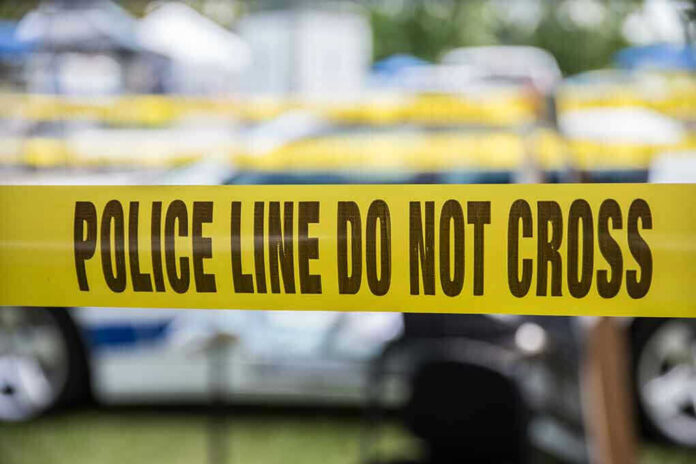
Five bodies discovered in Houston’s bayous within days have triggered intense speculation about a serial killer—despite official denials and a lack of forensic evidence—raising urgent questions about public safety, media narratives, and trust in city leadership.
Story Highlights
- Five bodies found in Houston bayous between September 15–20, 2025, sparking serial killer fears.
- City officials and police strongly deny any evidence of serial homicide or connected cases.
- Social media rapidly fueled speculation, amplifying public anxiety and mistrust.
- Investigations are ongoing; autopsies pending for several victims, with no confirmed homicides.
- Experts warn against premature conclusions without clear forensic evidence.
Rapid Succession of Body Discoveries Fuels Public Anxiety
Between September 15 and September 20, 2025, Houston residents were rattled by the grim discovery of five bodies across the city’s bayous. The victims include Jade McKissic, a University of Houston student, and four other individuals whose identities remain mostly unknown. The close timing and proximity of these incidents led many in the community to suspect a serial killer was at work, triggering a wave of fear and speculation that spread quickly across social media and local news outlets.
This rapid spread of information—fueled by platforms like YouTube and Twitter—amplified the sense of crisis and uncertainty. Residents voiced their concerns about public safety, demanding answers from city officials and law enforcement. The atmosphere was charged, with families and students especially worried about the potential for targeted violence. In this climate, calls for increased transparency and decisive action grew louder, reflecting deep-seated frustrations with what many perceive as slow or insufficient government responses to threats facing their communities.
City Officials and Police Refute Serial Killer Claims
Houston Mayor John Whitmire and Police Chief J. Noe Diaz acted swiftly to address growing fears, issuing public statements that directly refuted the idea of a serial killer. Both leaders emphasized that, as of September 24, 2025, there is no forensic or investigative evidence linking these deaths. Autopsies are still pending for several cases, and officials have urged the public to await official findings before drawing conclusions. Chief Diaz stated, “No evidence any of these cases are connected,” underscoring his commitment to factual updates and transparency.
Medical Examiner’s Office personnel are conducting thorough autopsies to determine the cause and manner of death in each case. Experts, including criminologist Dr. Krista Gehring, echoed these official statements, cautioning against premature speculation. Dr. Gehring explained, “Unless you have stab wounds, gunshots, strangulation marks—clear signs of homicide—it’s not a serial killer.” Such commentary reflects a broader conservative concern about the dangers posed by rumors and misinformation, especially when amplified by social media and politicized narratives.
Social Media Amplification and the Erosion of Public Trust
Social media played a pivotal role in shaping public perception of the events in Houston. Platforms like Twitter and YouTube became echo chambers for speculation, with some users insisting on a serial killer theory despite official denials. This rapid amplification created a feedback loop, increasing anxiety and skepticism toward government statements. For many conservative Americans, the episode highlights a troubling trend: the erosion of trust in official communications, made worse by sensationalism and the spread of unverified claims online.
The city’s response has become a litmus test for effective crisis management and transparent leadership. If rumors persist, there is a risk that public trust in law enforcement and city officials will deteriorate further. Such outcomes could have broader social, economic, and political consequences—impacting everything from local business activity to policy debates over government accountability. The situation also underscores the need for responsible media reporting and critical evaluation of information sources, values that are central to conservative principles of informed citizenship and limited government overreach.
Historical Context and Expert Perspectives on Bayou Deaths
Houston’s bayous have long been sites where bodies are occasionally recovered, with causes ranging from accidental drownings to suicides and natural deaths. In 2024, 24 bodies were found in these waterways, while 14 have been recovered in 2025 thus far. Previous spikes in discoveries have not resulted in confirmed serial homicide cases, according to police and forensic experts. This historical context is important, as it provides a factual basis for challenging sensationalist narratives and underscores the importance of due process and careful investigation.
Criminology experts and city officials continue to stress that the randomness of these deaths and the lack of consistent trauma or demographic patterns point to varied causes rather than a coordinated criminal act. Their approach reflects a commitment to evidence-based investigation and public transparency, which is crucial for maintaining the integrity of the criminal justice system and protecting conservative values such as law and order, individual liberty, and the presumption of innocence until proven guilty.
Sources:
Houston Police Department to address trend of bodies found in area bayous
Five Houston bayou deaths in week spark serial killer concerns