A single bullet through a rear window on the George Washington Bridge turned rush-hour anger into a homicide case.
Story Snapshot
- Investigators said two vehicles nearly collided on the bridge before a shot was fired.
- The victim, Koran Irvine, was found in his driver’s seat after his car continued and crashed.
- Detectives used surveillance to identify a black Range Rover and arrested retired detective Victor Romero.
- A grand jury later indicted Romero for second-degree murder after an initial manslaughter charge.
What Happened On The Bridge
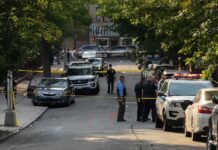
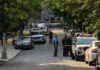
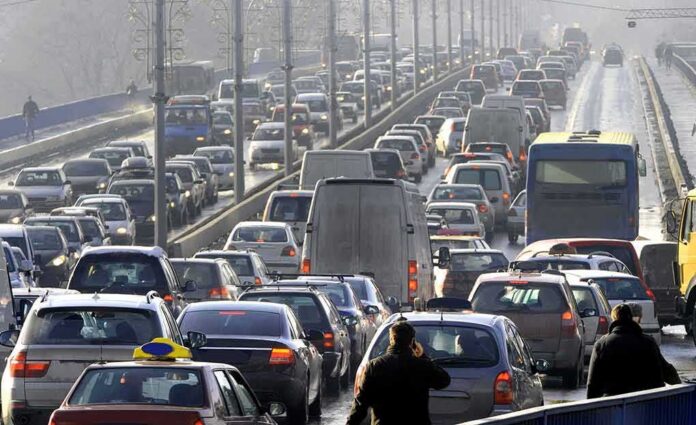
Police and investigators say a near-collision on the upper level of the George Washington Bridge set off the deadly chain of events around 7:18 p.m. on October 20, 2026, as traffic flowed toward New Jersey. A gunshot then struck driver Koran Irvine. His car kept moving and crashed. First responders found him unconscious and unresponsive in the driver’s seat. Reports described a bullet hole in the rear windshield or rear passenger window, pointing to a shot from behind or alongside.
Detectives quickly turned to bridge cameras and other surveillance. They tracked a black Range Rover seen in the roadway encounter. That led them to retired New York City Police Department detective Victor Romero, who was then arrested and charged. The camera trail supplied a clear chain from the scene to a named suspect, which gave prosecutors confidence to proceed with charges while the forensics worked through the lab.
The Case File And The Charges
Prosecutors first brought a manslaughter charge. Within days, a Manhattan grand jury returned a second-degree murder indictment. The shift reflected what they called an “extensive ongoing investigation” into Romero’s actions and the moments before the shot. The indictment does not prove guilt. It does signal that prosecutors did not see an open-and-shut self-defense case that would rule out criminal liability at the outset.
Public reporting so far has not shown a weapon in Irvine’s possession at the time or an immediate deadly threat from him when the shot was fired. That gap matters for any self-defense claim. New York law permits deadly force only when a person reasonably believes it is needed to stop the imminent use of deadly force. Jurors later weigh who initiated the aggression and whether any danger still existed when the trigger was pulled.
What The Family And Prosecutors Say They Saw
Irvine’s relatives describe the shooting as intentional and senseless. They say the shooter aimed into the car and fired, and they want the heaviest charges possible. Their attorney called the charging decisions a miscarriage of justice when prosecutors first filed manslaughter. They later welcomed the murder indictment. Their anger is fueled by what prosecutors described from surveillance: aggressive tailgating, a pull-up alongside, and a shot through the rear passenger window.
Those claims, if the jury accepts them, cut against any immediate-threat defense. Shooting into a vehicle that is moving away or already past you weakens the idea of stopping an oncoming danger. At the same time, defense counsel will likely test the timing, speed, angles, and whether the near-collision felt like a weapon-like attack. Credible answers live in video, trajectory, and crash reconstruction, not in slogans shouted at press mics.
The Broader Pattern On American Roads
Road-rage shootings have surged across the past decade. One analysis found people shot in such incidents rose from 92 in 2014 to 481 in 2023, with 3,095 people shot over the decade, including 777 deaths. In 2023, someone was shot in a road-rage incident about every 18 hours. These numbers show more armed drivers, more tempers, and faster escalations that turn traffic scares into funerals.
Bridge lanes and highway merges add special risk. Small mistakes feel like insults at 40 miles per hour. A sudden swerve looks like malice. When a driver chooses to fire, that bullet travels into a moving scene filled with families and trucks. Common sense says this: if you can disengage, call for help, and live to cool off, you should. That is not just a moral point. It is the legal line many jurors understand in their gut.
What Still Needs To Be Answered
The public record leaves key questions open. The full surveillance video remains unreleased. The ballistic path, firing distance, and vehicle speeds have not been detailed in public filings. No 911 audio, dash camera, or body camera record has been shared. These items could confirm who closed distance, who could have exited safely, and whether the danger was rising or fading when the shot broke.
This case will likely turn on seconds and angles. If the evidence shows pursuit and a shot into a car already ahead or alongside, jurors will see punishment, not protection. If it shows a sudden, ramming threat in a tight lane and a split-second fear of being crushed, they will weigh that fear. Either way, one rule should guide drivers: your horn is not a badge, your lane is not a courtroom, and your gun is not a referee.
Sources:
nypost.com, lohud.com, abcnews.com, freep.com, nydailynews.com, fox5ny.com, newsday.com, cbsnews.com, nycourts.gov
© integritytimes.com 2026. All rights reserved.