
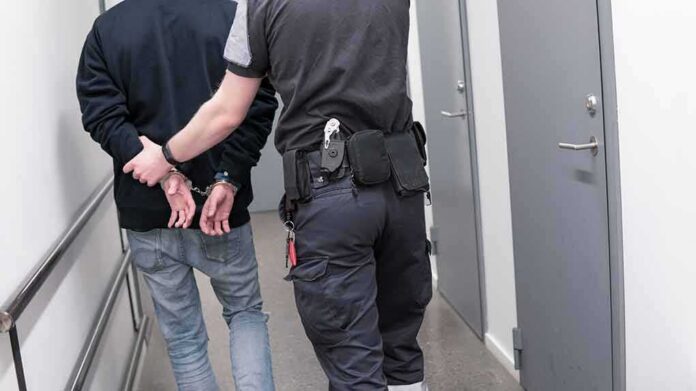
Japan quietly grabbed a suspected Qilin ransomware builder in Osaka and put him on a plane to Germany.
Story Snapshot
- Japanese police detained a 28-year-old Russian in Osaka in May 2026 tied to Qilin.
- Germany took custody on October 2, 2026, after court approval in Tokyo.
- Prosecutors link him to a 2024 ransomware hit on a German logistics firm.
- German officials called the transfer a major strike on the group.
What Japan Did And Why It Matters
Japanese police detained a Russian national believed to be a core member of the Qilin ransomware group in Osaka in May 2026, then transferred him to German authorities on October 2 after legal review under Japan’s Extradition Act. Reports tie the suspect to infrastructure that powered Qilin’s attacks. The handover marks rare, fast cooperation across borders without a formal extradition treaty, signaling that cybercrime suspects have fewer safe harbors than they once assumed.
Germany sought the suspect over a September 2024 breach at a logistics company. Investigators say the attackers encrypted company systems and demanded about one hundred sixty thousand dollars in cryptocurrency to unlock them. The case targets the layer that builds and runs the tools behind the break-ins, not only the hands-on keyboard intruders. That focus reflects how modern ransomware works: developers, access brokers, and extortion teams each play a part, and each part can face charges.
The Alleged Role Inside Qilin
Coverage from Japanese and international outlets describes the man as a key or core member of Qilin, with some reports saying he helped build systems used in attacks. One local report adds that investigators tracked ransom proceeds flowing to him, which would strengthen claims of direct participation if proven in court. Labels can get messy in cyber cases, but multiple outlets aligned on “core member,” not fringe actor. That alignment gives the public a clearer picture of the target.
North Rhine-Westphalia’s interior minister framed the transfer as a historic blow to Qilin’s operations, underscoring how leadership nodes matter in ransomware economics. When police move a developer or coordinator off the board, affiliates lose updates, support, and trust. That drag can slow campaigns more than a single server seizure. Conservative readers know this logic well: break the business model, and crime gets harder and riskier to scale.
The Timeline That Brought Him To Germany
The chain runs clean: a logistics firm intrusion in September 2024, Osaka detention in May 2026, and surrender to German custody on October 2, 2026. Japanese media say the Tokyo High Court examined the request and cleared the extradition. That step matters because it shows a judge weighed identity and offense matching before the flight. Germany now leads the prosecution track tied to the logistics case and any broader Qilin counts that might follow.
🇷🇺🇩🇪 A member of the Russian Qilin hacking group was handed over to German authorities, marking the first such extradition and highlighting cross‑border cybercrime efforts.https://t.co/J8yiClhb8p pic.twitter.com/hfHzMgEwfI
— Rūnōairuz (@runoairuz) October 7, 2026
Names in cross-border cyber cases often surface late or vary by outlet, and reports here mostly describe “a 28-year-old Russian man.” That is common when filings are sealed or privacy rules apply. One summary notes that authorities see Qilin as a major ransomware actor since 2022, with a model that divides tasks among coders, deployers, and negotiators. That division is why cases like this chase builders as much as button-pushers; both parts drive harm.
What This Means For Companies And Law Enforcement
Companies should read this as a warning and a roadmap. The warning: logistics and other time-sensitive sectors will stay prime targets because delays cost real money fast. The roadmap: patch exposed systems, segment networks, back up data offline, and rehearse restores. Most ransomware damage happens in the first forty-eight hours after detection. Plans beat panic. On the law side, this case shows courts and police can move across borders even without a treaty when the facts align.
Signals To Watch Next
Watch for a charging document from German prosecutors that lists the exact offenses tied to the 2024 attack. Look for any linked arrests of affiliates who deployed payloads or handled chats. Expect more pressure on cryptocurrency cash-out channels that move ransom shares to developers. Each step narrows Qilin’s lanes. That is how you shrink a ransomware brand: remove key people, seize the tools, and make payouts harder to hide.
Sources:
ground.news, unn.ua, kucoin.com, www3.nhk.or.jp, nampa.org
© integritytimes.com 2026. All rights reserved.