A police officer and a man were shot outside a Belleville, Ontario synagogue during Yom Kippur services, and investigators say there was no ongoing threat afterward.
Story Snapshot
- Police say an officer encountered a man near Sons of Jacob Synagogue around 7:10 p.m.
- Both the officer and the man were injured and taken to hospital, the man in life-threatening condition, per the watchdog.
- Authorities asked people to avoid the area while they secured the scene and gathered evidence.
- Officials reported no active threat to the public after the exchange of gunfire.
Shooting Outside a Synagogue During Yom Kippur
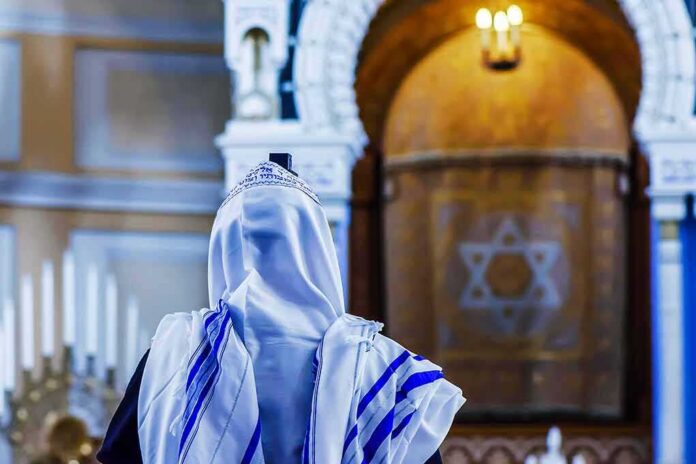
Belleville Police Service officers responded to the area of Bleecker Avenue and Victoria Avenue on Sunday evening, near the Sons of Jacob Synagogue, where Yom Kippur services were underway. Police said an officer encountered a man around 7:10 p.m., and both were injured in an exchange of gunfire and taken to hospital. The province’s Special Investigations Unit, which probes police-involved serious injuries, said the man was in life-threatening condition, while the officer was also wounded.
Multiple outlets placed the scene outside or near the synagogue, amid the holiest day on the Jewish calendar. Police urged the public to stay away as emergency crews and investigators worked. Officials later said there was no active threat to the wider community. The identities of the officer and the man were not released in initial reports, and officials did not state a motive or whether the synagogue or its congregants were targeted.
What Investigators Are Doing and Why It Matters
The Special Investigations Unit quickly took carriage of the case because the event involved police gunfire and serious injury, which triggers its mandate in Ontario. That step shifts the flow of public information to the watchdog’s formal updates rather than routine police briefings. The unit’s involvement signals a detailed review of what led to the encounter, who fired, how many rounds were discharged, and whether actions met legal and policy standards. One sentence of caution: early summaries can leave open questions until the unit reports.
The timing and location raised public concern because services drew people to a faith site after sundown, a moment of solemn prayer and fasting. In recent years, Jewish institutions in Canada have faced heightened security worries, and leaders often coordinate with local police for patrols, visibility, and quick response. That partnership helps reassure congregants and can speed lifesaving action when a threat emerges. The Belleville response reflected that model: contain the scene, protect the public, and hand off the review to the civilian watchdog.
Security, Restraint, and the Public Interest
Law enforcement emphasized two things at once: avoid the area while they worked and trust that there was no ongoing danger once the scene was secure. That pairing keeps people safe without feeding panic. It also respects religious communities that want to finish observances without fear. The public deserves straight answers about who did what and why. That clarity will come from the Special Investigations Unit’s report, which is designed to stand up to legal and public scrutiny.
Facts, not narratives, should guide judgment. Faith sites merit maximum protection, and police deserve fair review when gunfire erupts. Both principles can hold at the same time. The right balance is simple common sense: defend the vulnerable, praise courage when due, and demand clean, complete facts from investigators. That is not politics; that is responsible citizenship. When the Special Investigations Unit issues its findings, weigh them against these standards and expect precise answers to the core questions.
What to Watch Next
Expect a timeline that details the first contact, commands given, shots fired, weapon recovery, and medical response times. Watch for any confirmation about targeting, including whether the synagogue entrance or security presence drew the confrontation. Look for body-worn camera footage references, ballistic counts, and independent witness accounts that place people and rounds in space and time. Those specifics will either tighten or relax security protocols at local houses of worship going forward.
The Special Investigations Unit has taken over an investigation after a police officer and man were injured in a Sunday evening shooting near a synagogue in Belleville, Ont.https://t.co/Ub513B7qfN
— Morning Live (@morninglive) September 21, 2026
Community leaders will likely review lighting, doors, ushers, and parking patterns to reduce risk, especially on high-attendance nights. Police and congregations often adjust patrol zones, camera angles, and entry-point staffing based on post-incident findings. The aim is simple: protect life without turning a sanctuary into a fortress. That work honors both safety and faith. It also respects the officer who showed up, the congregants who gathered, and the truth the investigation must now deliver.
Sources:
townhall.com, toronto.citynews.ca, nanaimonewsnow.com, cbsnews.com
© integritytimes.com 2026. All rights reserved.