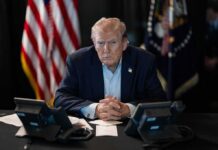

Minnesota Governor Tim Walz signed off on a pardon for a convicted child sex offender facing deportation — and the federal government deported him anyway.
Story Snapshot
- Tou Lue Vang, a 42-year-old Laotian national, pleaded guilty in 2005 to sexually abusing a 10-year-old girl.
- On June 10, 2026, the Minnesota Board of Pardons — including Gov. Tim Walz and Attorney General Keith Ellison — unanimously pardoned him weeks before his planned deportation.
- The Department of Homeland Security condemned the pardon, calling it an attempt to block federal immigration enforcement.
- Secretary of State Marco Rubio announced Vang was deported despite the pardon, with DHS releasing a photo to confirm it.
A Guilty Plea, a Pardon, and a National Uproar
In 2005, Tou Lue Vang pleaded guilty to criminal sexual conduct against a 10-year-old girl in Minnesota. He served his sentence and remained in the country as a Laotian national without legal immigration status. Federal authorities eventually moved to deport him, scheduling his removal. Then, just weeks before that removal date, the Minnesota Board of Pardons stepped in.
On June 10, 2026, the three-member board — made up of Governor Tim Walz, Attorney General Keith Ellison, and the state’s chief justice — voted unanimously to grant Vang a full pardon. The board said the decision followed an exhaustive review. It pointed to a statement of support from the victim, a recommendation from the Clemency Review Commission, and a large number of community letters backing the pardon. Walz and Ellison defended the process as thorough and fair.
DHS Calls It an Attempt to Block Deportation
The Department of Homeland Security (DHS) did not accept that framing. DHS released a public statement calling the pardon a direct attempt to block a lawful deportation order. The agency said Walz’s decision to pardon “an illegal alien convicted of child sex crimes” put politics ahead of public safety. The White House backed that position. The Republican Party of Minnesota called the pardon an embarrassment and praised the Trump administration for following through with removal.
House Republican Floor Leader Harry Niska of Ramsey said the pardon showed a troubling willingness by Democratic leaders to protect someone from consequences that the law clearly requires. That criticism is hard to dismiss. A state pardon can wipe a conviction from the books under state law, but it does not erase the federal immigration record or override a federal removal order. The two systems operate separately, and federal deportation authority does not bend to state clemency decisions.
Deportation Happened Anyway — Rubio Made It Official
Secretary of State Marco Rubio announced that Vang was deported, and DHS released a photograph of him being removed from the country. That image sent a clear message: the pardon slowed nothing. U.S. Immigration and Customs Enforcement (ICE) confirmed the removal. The White House framed it bluntly — Minnesota Democrats pardoned a convicted child rapist, and President Trump deported him.
Secretary of State Marco Rubio announced the deportation of Tou Lue Vang, weeks after Gov. Tim Walz and Keith Ellison voted to pardon him. https://t.co/hpNYpbxzoH
— Justwondering (@frespch4all) July 10, 2026
The speed and confidence of the federal response suggests the administration had anticipated the pardon and prepared for it. Whatever legal complications the board hoped to create, they did not materialize in time to stop the deportation. That outcome matters. It shows that when federal agencies move decisively, state-level interference has limits — even when it comes dressed up in the language of compassion and community support.
The Victim’s Support Does Not Settle the Debate
The board’s strongest argument is the victim’s own statement supporting the pardon. That detail is real and should not be dismissed. A victim’s voice carries weight, and her choice deserves respect. But a victim’s forgiveness is a personal act. It does not determine immigration law, and it does not answer the broader question of whether the state should use its pardon power to erase the legal basis for removing someone who entered and remained in the country illegally and committed a serious crime against a child.
Minnesota is not alone in this tension. States have clashed with federal deportation orders in similar cases for decades. But few cases have been this direct — a pardon issued weeks before a scheduled removal, for a crime this serious, by officials this prominent. The optics for Walz and Ellison are brutal, and the outcome — deportation regardless — makes the pardon look less like justice and more like a political gesture that failed.
What This Case Reveals About the Bigger Fight
This case is a preview of how the immigration debate will keep playing out at the state level. Democratic governors and attorneys general have real pardon power. They will use it. But federal deportation authority is also real, and the Trump administration has shown it will not wait for legal ambiguity to resolve itself before acting. The Vang case ended with a deportation photo and a White House press release. That is not a coincidence — it is a strategy.
Sources:
townhall.com, fox9.com, cis.org, nytimes.com, youtube.com, x.com, cbsnews.com
© integritytimes.com 2026. All rights reserved.