
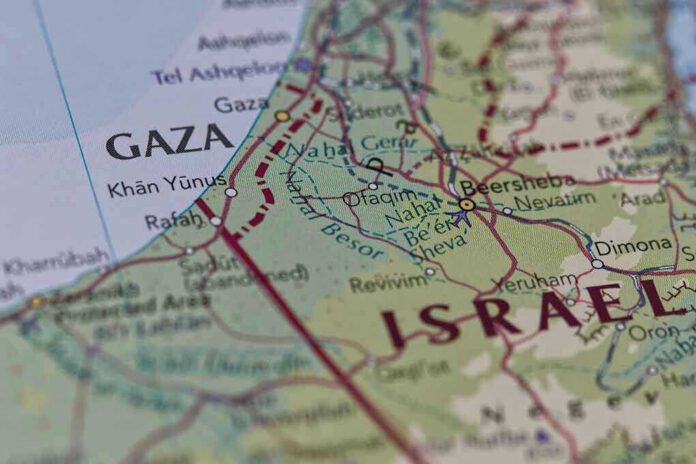
The fragile ceasefire in Gaza has shattered once more, leaving devastation and unanswered questions in its wake.
Story Overview
- 21 people killed in recent Israeli air strikes.
- Dozens more wounded in the attacks.
- Ceasefire violations claimed by both Hamas and Israel.
- Escalating tensions threaten regional stability.
Violence Resumes Amid Fragile Ceasefire
Gaza’s civil defence agency reported that 21 individuals lost their lives during Israeli air strikes on Saturday. The attacks also left dozens wounded, adding to the mounting casualties in the region. As the fragile ceasefire between Hamas and Israel collapses, both sides exchange accusations of violations, fueling a cycle of violence that seems unending.
Despite international efforts to broker peace, the reality on the ground remains grim. The ongoing conflict has a profound impact on the civilian population, with families caught in the crossfire and infrastructures severely damaged. The latest air strikes underscore the volatile nature of the ceasefire, prompting urgent calls for renewed diplomacy and dialogue.
The Human Cost of Conflict
The human toll of the recent strikes is tragic. Families mourn the loss of loved ones, and the injured face uncertain futures. Hospitals in Gaza are overwhelmed, struggling to provide adequate care amidst shortages of medical supplies. The humanitarian crisis is further exacerbated by the blockade, limiting access to essential goods and services.
Life in Gaza is a daily struggle for survival, with residents bearing the brunt of a conflict over which they have little control. The psychological impact on children and families living in constant fear cannot be overstated, as they navigate a precarious existence marked by trauma and instability.
Escalating Tensions and Regional Stability
The recent air strikes highlight the precariousness of the ceasefire and the potential for broader regional instability. With each side blaming the other for violations, there is an urgent need for international mediation to prevent further escalation. The stakes are high, as continued hostilities threaten to draw in neighboring countries and ignite a wider conflict.
Diplomatic efforts must prioritize de-escalation and the establishment of a lasting peace agreement. The international community plays a crucial role in facilitating dialogue and supporting humanitarian efforts to alleviate the suffering of those caught in the conflict.
The Path Forward
Addressing the root causes of the conflict is essential for breaking the cycle of violence. Sustainable peace requires addressing issues such as territorial disputes, security concerns, and the rights of the Palestinian people. Only through comprehensive dialogue and negotiation can a viable solution be reached.
The situation in Gaza serves as a stark reminder of the urgent need for a renewed commitment to peace. As the world watches, it is imperative that leaders on all sides take bold steps toward reconciliation and justice. The future of the region depends on it.
Sources:
Gaza civil defence says 21 killed in Israeli strikes