
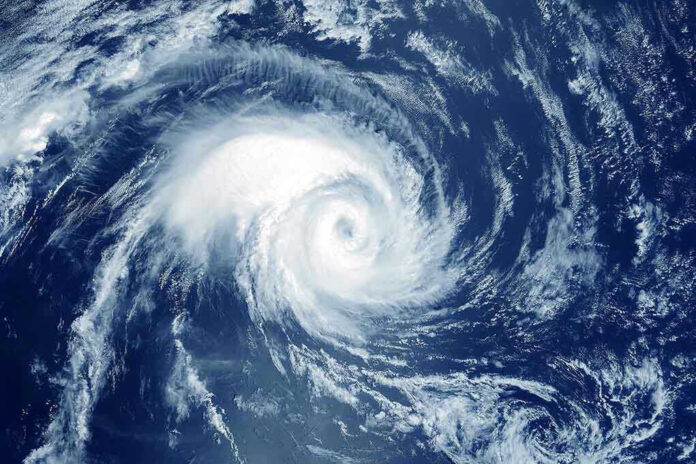
Jamaica faces an unprecedented catastrophe as Hurricane Melissa, packing 185 mph winds, becomes the strongest storm ever recorded to strike the Caribbean island nation.
Story Overview
- Hurricane Melissa made landfall as a Category 5 storm with record-breaking 185 mph sustained winds
- Approximately 25,000 tourists remain stranded on the island as infrastructure collapsed
- Hundreds of thousands lost power while raging floodwaters created life-threatening conditions
- Officials warn of additional dangers including crocodiles in flooded areas
Record-Breaking Destruction Overwhelms Jamaica
Hurricane Melissa slammed into New Hope, Jamaica on October 28, 2025, delivering a devastating blow that meteorologists describe as unprecedented in the Atlantic basin. The Category 5 monster brought sustained winds of 185 mph, making it one of the most powerful hurricanes ever recorded at landfall. The storm’s rapid intensification caught both forecasters and local authorities off guard, leaving precious little time for adequate preparation.
The immediate aftermath revealed the scope of devastation across the island. Widespread power outages plunged hundreds of thousands into darkness while torrential rains triggered catastrophic flooding. Infrastructure that took decades to build crumbled under nature’s relentless assault, leaving communities isolated and emergency services struggling to respond effectively.
Tourist Crisis Compounds National Emergency
The timing of Hurricane Melissa’s arrival created an additional layer of complexity that distinguishes this disaster from previous Caribbean storms. Approximately 25,000 tourists found themselves trapped on the island as airports shut down and transportation networks collapsed. Hotel operators and tour companies scrambled to protect their guests while dealing with their own structural damage and operational challenges.
International consulates mobilized to assist their stranded citizens, but evacuation efforts faced significant obstacles. The tourism industry, which forms the backbone of Jamaica’s economy, now confronts not only immediate guest safety concerns but also long-term reputational damage that could affect visitor confidence for years to come. The unprecedented number of stranded tourists highlights the vulnerability of tourism-dependent economies to extreme weather events.
Unusual Hazards Emerge in Flood Zones
Beyond the typical hurricane dangers of wind and flooding, Jamaican officials issued warnings about an unexpected threat that sets this disaster apart from others. Authorities cautioned residents and rescue workers about crocodiles displaced from their natural habitats and now present in flooded urban and suburban areas. This unusual hazard demonstrates how extreme weather events can create cascading dangers that extend well beyond the storm itself.
The crocodile warnings underscore the comprehensive nature of the crisis facing Jamaica. Search and rescue teams must now factor wildlife encounters into their operations, further complicating already dangerous conditions. Such secondary hazards often receive less attention in disaster planning, yet they pose real risks to both emergency responders and survivors navigating flood-damaged areas.
Climate Reality Demands Serious Response
Hurricane Melissa’s extraordinary intensity raises uncomfortable questions about the increasing frequency and power of extreme weather events in the Caribbean. The storm’s rapid strengthening from a manageable system to a catastrophic hurricane within hours reflects patterns that climate scientists have long predicted would become more common as ocean temperatures rise.
Jamaica’s experience serves as a stark reminder that small island nations bear disproportionate risks from climate change despite contributing minimally to global emissions. The country now faces a multi-billion dollar reconstruction challenge that will strain government resources and require substantial international assistance. The recovery timeline stretches into years rather than months, with some communities potentially facing permanent displacement. This disaster should serve as a wake-up call for improved disaster preparedness and climate resilience investments across vulnerable regions.
Sources:
‘Extremely dangerous’ storm heads toward Cuba after battering Jamaica