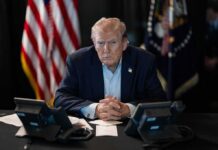
Trump’s most powerful move in the Texas Senate brawl might be the one he hasn’t made yet: picking a side.
Quick Take
- Donald Trump said he will endorse “soon” in the Texas GOP U.S. Senate runoff between John Cornyn and Ken Paxton, then told the other candidate to drop out.
- Early voting began with Cornyn narrowly leading after the first round, setting up a May 26 runoff that could turn on turnout and timing.
- Paxton publicly rejected any pressure to exit, signaling a runoff fight even if Trump tries to end it with one post.
- Senate GOP leadership wants Cornyn; many grassroots conservatives view Paxton as the sharper MAGA spear.
Trump’s “Soon” Endorsement Becomes the Story, Not the Candidate
Trump’s March 4 Truth Social message did two things at once: promised an endorsement “soon” and demanded the race “MUST STOP NOW.” That combination matters more than the suspense. Trump didn’t just tease a pick; he tried to write the ending before voters finished the chapter. As early voting started and a May 26 runoff loomed, the Texas contest turned into a test of whether Trump can still close a Republican civil war with a single command.
Trump withheld a decision even after endorsing in a long list of other Texas primaries, which tells you this isn’t a routine loyalty check. The Cornyn-Paxton clash mixes ideological branding, personal baggage, and the Senate leadership’s survival instincts. Trump also framed the general election as the priority, pointing at Democratic nominee James Talarico as a target Republicans should already be organizing to beat. That argument resonates with conservatives who value winning governing majorities over extended intraparty bloodletting.
The Runoff Setup: Cornyn Leads Narrowly, Paxton Refuses to Budge
Texas Republicans ended March 3 without a majority winner, pushing Sen. John Cornyn and Attorney General Ken Paxton into a runoff. Reports put Cornyn ahead by a little over a point with most precincts counted, close enough that every turnout lever matters. Paxton, for his part, responded with open defiance, saying he was “staying in.” That public stance turns Trump’s looming endorsement into a pressure test, not a guarantee of unity.
The third-place finisher, Rep. Wesley Hunt, conceded, which normally helps a party move toward closure. This race didn’t. Cornyn needs traditional Republican voters who prioritize institutional clout, committee power, and the argument that seniority delivers for Texas. Paxton needs the voters who see the establishment as a brake pedal on the agenda. A runoff amplifies those differences because it rewards intensity and organization, not broad first-round name recognition.
Why GOP Leadership Is Leaning Cornyn, and Why That May Not Settle It
Senate leadership signaled its preference clearly, with the NRSC and top Republicans backing Cornyn’s “electability” case while hammering Paxton with harsh ads. The message is blunt: Texas is too important to gamble on a nominee Democrats view as easier to beat. Conservatives should take the general election argument seriously, because Washington’s margins determine judges, border policy, and whether progressive legislation ever reaches a president’s desk. Still, voters tend to resent being told their job is to ratify leadership’s pick.
Cornyn’s allies also leaned into a practical question he raised publicly: do Republican primary voters want to win? That’s a fair challenge in a year when the Senate map and House majority calculations matter nationally. Cornyn has resources and a campaign operation built for a long fight, including heavy spending that dwarfed what most challengers can sustain. The risk for Cornyn is that “I can win” doesn’t inspire people who want a fighter; it merely reassures people who already planned to vote for him.
Paxton’s MAGA Case: Loyalty, Combat, and a Different Definition of Risk
Paxton’s pitch is simpler: he presents himself as the MAGA-aligned brawler, built for the cultural and legal fights the grassroots cares about. Supporters see that style as a feature, not a bug, even when it draws negative headlines. Democrats, according to reporting, would prefer to face Paxton rather than Cornyn, which is the kind of data point that spooks strategists. Paxton’s counter is the populist one: Democrats prefer him because he won’t play their game, and that’s exactly why Republicans should nominate him.
Conservatives who value common sense should separate two questions: who best reflects the base, and who most reliably protects the seat. It’s legitimate to want a senator who will fight harder against the left. It’s also legitimate to worry about handing Democrats a tailor-made narrative in a state they’ve dreamed of flipping for decades. Trump’s pending endorsement sits on that fault line. If he chooses Cornyn, he risks irritating voters who view Paxton as the movement’s candidate; if he chooses Paxton, he risks validating leadership’s fear.
The Real Stakes: Trump’s Influence, Texas Turnout, and a Party That Can’t Afford a Hangover
Trump’s approval among Texas Republicans has remained formidable, and that’s why both campaigns have treated his nod like a trophy that comes with a turnout machine attached. Yet the fact he didn’t endorse earlier, even while issuing many Texas endorsements elsewhere, hints at caution. Trump knows endorsements work best when they align with where voters already lean; they work worst when they feel like a command performance. He also knows a bruising runoff can leave a “hangover” that depresses enthusiasm in November.
The conservative governance problem is straightforward: Democrats don’t need to convert Texas Republicans; they just need Republicans to stay mad, stay home, or stay divided. Trump’s “drop out” demand aims at preventing that scenario, but it can also inflame it if voters interpret it as an attempt to cancel their choice. The next weeks will show whether Trump still plays kingmaker in Texas or whether he has to share that power with something older and harder to control: voters who think they’ve earned the final say.
Early voting makes timing everything. An endorsement that arrives late can look less like leadership and more like damage control, especially if ballots are already cast. If Trump wants unity, he will need more than a name; he will need a landing plan for the losing side that respects them enough to keep them voting in November. Texas Republicans can survive a fight. They can’t afford a fracture that lasts past May 26.
Sources:
Trump says he will endorse ‘soon’ in Texas GOP Senate primary
Trump endorsement Texas Senate race 2026 Cornyn Paxton
Donald Trump Texas endorsements Republican primaries 2026
Trump declines endorsement in heated Texas Senate primary between Paxton, Cornyn and Hunt
Trump visits Texas as 3 GOP Senate candidates fight