
What happens when a royal life hangs in balance, suspended in time for two decades? Enter the poignant tale of Saudi Arabia’s ‘Sleeping Prince.’
At a Glance
- Prince Al-Waleed bin Khaled Al Saud was in a coma for nearly 20 years following a car accident.
- His case raised debates around medical ethics and cultural values regarding life support.
- The Saudi public followed his story closely, resonating with themes of faith and perseverance.
- His passing has reignited discussions on the responsibilities of families with significant resources.
A Royal Life Paused
In 2005, at just 15, Prince Al-Waleed bin Khaled Al Saud was a promising young royal studying as a military cadet in London. A severe car accident changed everything, leaving him with catastrophic injuries and in a coma. The Saudi royal family, known for its considerable political and economic power, faced a new challenge. The prince became a symbol of hope and tragedy, embodying the family’s resilience and adherence to cultural values.
The accident took place in London, a city familiar to many young Saudi royals who pursue education and training there. The immediate aftermath saw the prince hospitalized in the UK before his transfer to King Abdulaziz Medical City in Riyadh, where he received long-term care. His extended coma became particularly notable as his family refused to withdraw life support, a decision rooted deeply in their religious and cultural beliefs.
A Family’s Unwavering Faith
The case of Prince Al-Waleed highlighted the power dynamics within the Saudi royal family. His father, Prince Khaled bin Talal Al Saud, was a steadfast advocate for his son’s care. The prince’s uncle, Prince Al-Waleed bin Talal, a billionaire businessman, offered his support publicly. The family’s motivations were clear: a commitment to recovery and faith, driven by the belief in divine intervention.
The Saudi public and the broader Arab world watched the unfolding story closely, with Prince Al-Waleed becoming a symbol of perseverance and faith. Social media played a significant role, with moments of minor physical response from the prince going viral, amplifying public empathy and engagement. This public sentiment underscored the family’s narrative, reinforcing their decision to maintain life support for two decades despite medical advice.
The End of an Era
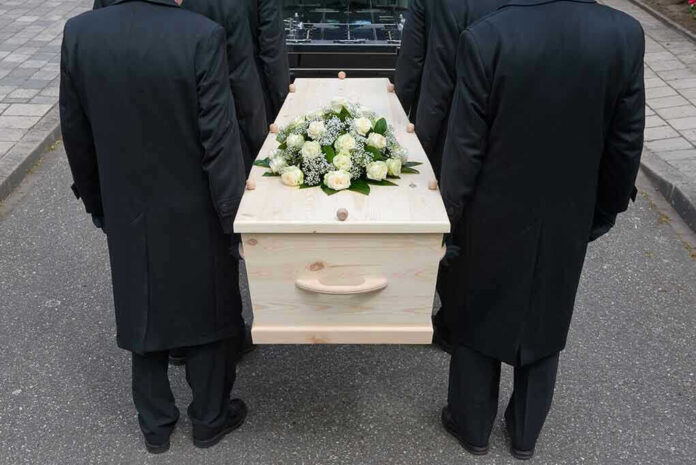
On July 16, 2025, Prince Al-Waleed passed away at the age of 36, bringing an end to a story that had captured the hearts of many. His father announced the news on July 19, 2025, expressing sorrow and invoking faith through Quranic quotes. The ‘Sleeping Prince’ hashtag trended across social media as condolences poured in. Funeral prayers were scheduled at Imam Turki bin Abdullah Mosque in Riyadh, marking the final chapter of this long-followed saga.
The prince’s passing reignited discussions about medical ethics and the role of faith in end-of-life decisions. It also served as a reminder of the resources available to the Saudi elite, highlighting social, economic, and political implications. Prince Al-Waleed’s story may influence future debates on life support and medical intervention in Saudi society, reinforcing the royal family’s visibility and connection with the public.