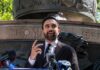
A Michigan Senate candidate once said he would follow Sharia in everything he does until the day he dies, and that quote is now front and center in one of 2026’s most heated campaigns.
Quick Take
- A resurfaced 2009 interview quotes Abdul El-Sayed saying he chose a Sharia-compliant mortgage out of religious obligation, not fear.
- In 2022, El-Sayed told a Council on American-Islamic Relations audience that opposition to Sharia bans echoes historic injustices like the Trail of Tears.
- PolitiFact says he never called for Sharia law to replace American law and calls the viral clips misleading.
- Republican senators, including Tommy Tuberville, have called El-Sayed a “radical Islamist” and a “terrorist” with no evidence to back the claim.
- The fight shows how personal faith and political rhetoric get tangled together in high-stakes Senate races.
What El-Sayed Actually Said Back In 2009
The original quote comes from a New York Times interview during El-Sayed’s medical school years. He explained why he sought a Sharia-compliant mortgage for a condo. He said the choice wasn’t driven by fear but by obligation, framing it as something he’d answer for before God one day. That’s a personal financial decision tied to faith, not a policy proposal for American courts.
Critics argue that even personal religious language matters when a candidate seeks federal office, since voters deserve full clarity on how faith might shape judgment. That’s a fair instinct. But a mortgage choice in 2009 is a long way from evidence of a plan to reshape American law, and treating the two as identical stretches the facts further than they can go.
The 2022 Speech That Reignited The Controversy
The bigger flashpoint came in 2022, when El-Sayed spoke at a Council on American-Islamic Relations awards event in Oklahoma. He addressed the state’s 2010 ban on Sharia in courts and argued that opposition to such bans can’t be separated from history’s darker chapters, including the Trail of Tears. He also linked the same forces behind that ban to the 1995 Oklahoma City bombing and the destruction of Black Wall Street.
Supporters of a harder read on these remarks say El-Sayed was defending Sharia’s place in American life and painting critics as bigots by association. That’s a serious charge worth scrutinizing. Comparing legal skeptics of foreign legal systems to perpetrators of domestic terrorism and historic atrocities is a rhetorical leap that deserves pushback regardless of the speaker’s faith or party.
What Fact-Checkers Found When They Dug In
PolitiFact reviewed the viral posts claiming El-Sayed “openly calls for Sharia law in America” and rated them false. The outlet says he did not call for Sharia to be implemented in the United States and that the clips lift a small portion of a longer speech about unity and discrimination. PolitiFact also notes Sharia holds no binding legal authority here, since the Constitution and federal and state law remain supreme.
That distinction matters. There’s a real difference between defending a religious minority’s dignity and pushing to replace civil law with religious code. The evidence provided doesn’t show El-Sayed doing the latter. Still, the fact-check leans on summaries rather than a full transcript of the CAIR speech, so the complete context of his Trail of Tears comparison remains only partly settled.
Republicans Escalate With Harsh Language
The response from some Republicans has gone well beyond policy disagreement. Senator Tommy Tuberville posted that El-Sayed is a “RADICAL ISLAMIST” and even called him a “TERRORIST,” a claim CNN reports has no supporting evidence. President Trump has also weighed in publicly, branding El-Sayed a “man of hate” after his primary win.
Calling a candidate a terrorist without proof crosses a line conservatives should reject on principle. Robust scrutiny of a candidate’s views on religious law and governance is fair game and necessary. Name-calling untethered from documented fact isn’t scrutiny, it’s an attack that lets El-Sayed dodge harder questions by pointing to Islamophobia instead.
Why This Debate Won’t Settle Cleanly
El-Sayed has pushed back hard, framing the attacks as an attempt to paint him as “less American”. He’s also defended controversial commentator Hasan Piker’s remarks in unrelated clips, feeding suspicion among skeptics that his instincts run consistently toward defending controversial figures over drawing clear lines. Voters are left weighing partial transcripts, viral clips, and dueling narratives instead of a full, unedited record.
The real lesson here isn’t about one candidate’s mortgage or one speech in Oklahoma. It’s about how modern campaigns turn incomplete quotes into weapons on both sides. Michigan voters deserve the full 2009 interview and the complete 2022 remarks before either side gets to declare victory. Until then, skepticism paired with fairness is the only responsible stance.
Sources:
thegatewaypundit.com, jfeed.com, facebook.com, amac.us, instagram.com
© integritytimes.com 2026. All rights reserved.